Ngorongoro Crater is one of the few places in Africa where you can see lions, elephants, rhinos and flamingos in a single morning. The walls rise like a stadium around a flat, green floor. Animals live below, and your vehicle rolls among them.
This guide shares seven amazing facts about Ngorongoro Crater, plus practical advice for your visit. You will learn how it formed, what lives there and how the rules work. You will also find tips on timing, packing and planning.
Whether this is your first safari or your tenth, the crater offers a rare mix of scenery and wildlife. Read this guide before you book, so you arrive with realistic expectations and a better plan.
Table of Contents
What Is Ngorongoro Crater?
Ngorongoro Crater sits in northern Tanzania, inside the Ngorongoro Conservation Area. The conservation area covers about 8,300 square kilometers. The crater is its best-known feature.
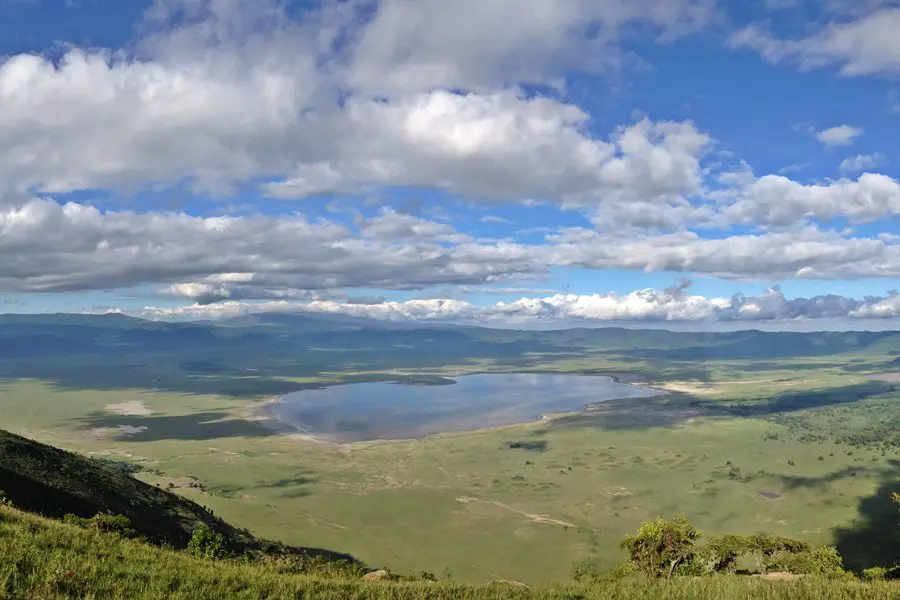
It is not a working volcano. It is a caldera, a huge bowl left behind when a volcano collapsed. The walls stand about 600 meters high. The floor holds grassland, swamps, a soda lake and a patch of forest.
A first look from the rim is hard to forget. On a clear morning you see the whole floor, the lake and lines of animals crossing the grass. Pause at the viewpoint before you descend.
Most travelers visit Ngorongoro Crater on the northern safari circuit. It links well with the Serengeti, Lake Manyara and Tarangire. See our overview of Tanzania safaris to compare options.
Ngorongoro Crater at a Glance
| Feature | Detail |
|---|---|
| Location | Northern Tanzania, west of Arusha |
| Type | Intact, unflooded volcanic caldera |
| Age | Roughly two to three million years |
| Depth | About 610 meters |
| Floor area | About 260 square kilometers |
| Width | About 19 to 20 kilometers |
| Large animals | More than 25,000 |
| Heritage status | UNESCO World Heritage Site |
These figures vary slightly between sources, so treat them as good estimates rather than exact measurements.
7 Amazing Facts About Ngorongoro Crater
Each fact below explains something that shapes your visit. Together they show why this place is unlike any other safari stop.
Fact 1: It Is the World’s Largest Intact Caldera
Ngorongoro Crater formed two to three million years ago. A giant volcano erupted and collapsed inward. The original peak may have stood between 4,500 and 5,800 meters high.
What remains is a bowl about 610 meters deep. Its floor covers roughly 260 square kilometers. The walls are unbroken and the floor is dry, which is why experts call it the largest intact, unflooded caldera.
Those steep walls matter for wildlife too. They create a natural enclosure with permanent water and good grazing. Many animals stay on the floor all year.
A caldera forms differently from an ordinary crater. When the magma chamber empties, the roof of the volcano can no longer hold its weight. It falls in, and the ground sinks. Over time, rain and grass softened the walls into green slopes that still drop steeply to the floor.
Fact 2: About 25,000 Large Animals Live on Its Floor
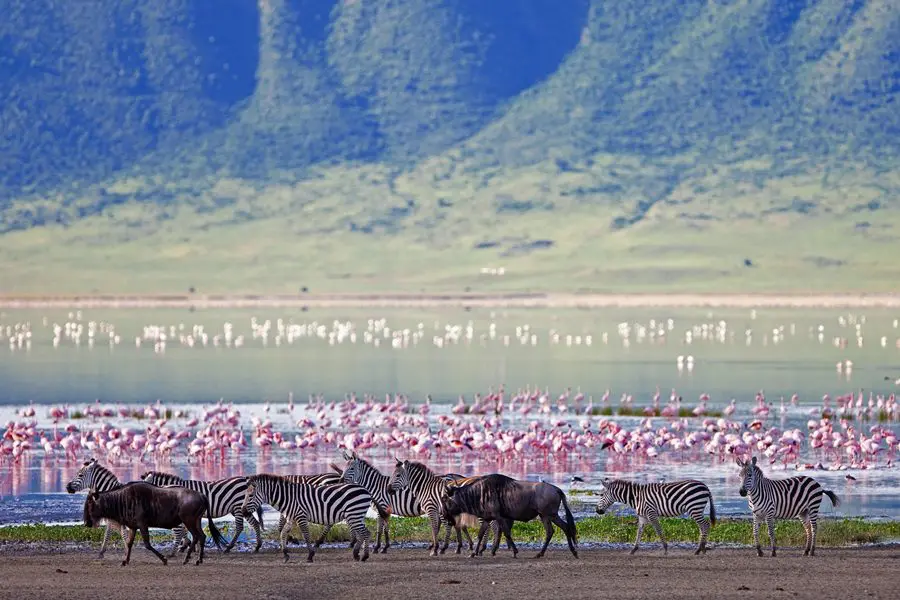
Ngorongoro Crater is one of the densest wildlife areas in Africa. Zebra and wildebeest graze on the open plains. Lions, spotted hyenas and jackals follow close behind.
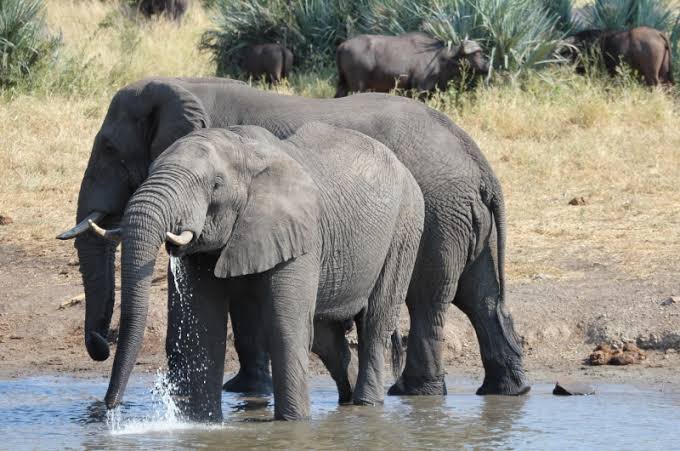
Elephants shelter in the shade of Lerai Forest, which is a patch of fever trees on the southern floor. Buffalo, eland and hippos are common too. Leopards live here but are shy and hard to spot.
The crater is also one of the few places in Tanzania where you may see the critically endangered black rhino. Sightings are never guaranteed, but they are possible.
Lions are often easy to find, because the open plains offer few places to hide. Spotted hyenas live in large clans, and you may see them near the lakes. Hundreds of bird species have been recorded in the area, so bring binoculars for the smaller details. Lake Magadi, a shallow soda lake, often draws flamingos and other waterbirds. Bird lovers should also look for ostriches, secretary birds and many raptors. Our page on Big Five and wildlife safaris explains how to plan for them.
Fact 3: It Holds a Piece of Human History
The Ngorongoro Conservation Area is more than a wildlife park. UNESCO listed it in 1979 for its natural value. In 2010, the listing grew to include its cultural and archaeological sites.
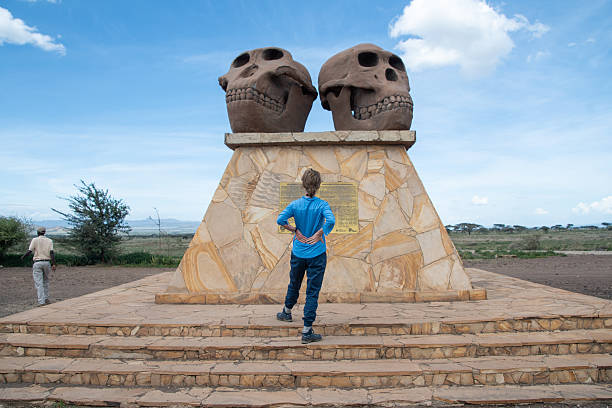
Two of them stand out. Olduvai Gorge holds the fossils of early human relatives, including Zinjanthropus boisei. At Laetoli, fossil footprints show that early hominins walked upright. Louis and Mary Leakey made many of their famous finds in this region.
You can read more on the UNESCO World Heritage page for Ngorongoro. Many travelers add a stop at Olduvai Gorge to their visit. The museum and viewing point give useful context. Guides explain how layers of rock reveal changes in climate and life over millions of years. Allow a few hours if you want to include it.
Fact 4: People and Wildlife Share the Land
Maasai pastoralists have lived in the wider conservation area for generations. The land is managed for both people and wildlife. That makes it different from a standard national park.
Farming is not allowed on the crater floor. Maasai herders are permitted to bring livestock down for water and salt, as long as they leave by nightfall. You may see cattle moving across the plains near zebras and wildebeest.
Cultural visits are possible near the crater gates. Choose a respectful, community-run experience. Our post on a Tanzania cultural safari shows how to do this well.
The relationship between communities and conservation has changed over time, and policies continue to evolve. Ask your operator for current information about community visits. Spend money with local guides, craft sellers and community projects when you can.
Fact 5: Strict Rules Protect the Crater Floor
The authorities manage Ngorongoro Crater carefully. Only four-wheel-drive vehicles can go down. Off-road driving is not allowed.
Three roads connect the rim to the floor. Seneto is for descent only. Lerai is for ascent only. Lemala, near the Sopa side, serves both directions.
Gates open at 6 am and close at 6 pm. The Seneto descent gate closes earlier, at 4 pm. A limit of about six hours per vehicle applies on the floor. Rules can change, so confirm them with your operator before you travel.
These rules can feel strict, but they protect the floor from overcrowding. They also keep vehicles on tracks and away from the animals. Ask your guide how they apply on your chosen day, because the route may vary. Gate times and road assignments can shift with conditions, so your driver may adjust the plan on the day.
Fact 6: The Rim and the Floor Feel Like Two Climates
The crater rim sits above 2,000-2400 meters. The floor lies at about approximately1,700-1,800 meters. That gap is enough to change the weather.
Mornings on the rim can be cold, misty and windy. By midday the floor can feel warm and dry. You may start in a fleece and finish in a T-shirt.
Dress in layers and keep a jacket within reach. Bring sunscreen and a hat, since there is little shade on the floor. Rain can make the rim slippery and foggy. If cloud fills the bowl, give it time, because it can lift as the day warms. Pack a rain jacket even in the dry season.
Fact 7: One Morning Is Enough, but the Region Rewards More Time
The crater floor is finite, so you can cover most of it in one long game drive. A single descent of five to six hours is enough for most travelers.
The wider conservation area offers more. You can visit Olduvai Gorge, hike to a smaller crater such as Empakaai, or meet Maasai communities. Empakaai needs a rough, four-wheel-drive route.
Lake Manyara, Tarangire and the Serengeti each offer something different. Tarangire is known for its elephants and baobab trees. Lake Manyara offers forest and lake scenery.
Build the crater into a longer northern circuit. Pair it with the Serengeti for big plains and with Lake Manyara for tree-climbing lions and forest.
Other Places to Visit in the Conservation Area
The Ngorongoro Conservation Area has more to offer than the main bowl. These add-ons are worth considering.
- Olduvai Gorge. Visit the museum and viewing point to learn about early human history.
- Empakaai Crater. This smaller crater has a lake and a steep, forested rim. The track is rough and needs a four-wheel-drive vehicle.
- Olmoti Crater. You reach it on foot after a drive, and it is much quieter than the main crater.
- Lake Ndutu. This area on the edge of the Serengeti is known for wildebeest calving early in the year.
- Cultural bomas. Community visits near the gates introduce Maasai life and crafts.
Check which add-ons fit your schedule. Each one adds travel time, so plan them in advance.
How to Reach Ngorongoro Crater
Ngorongoro Crater lies about 180 kilometers west of Arusha. The drive takes roughly three to four hours. The road is paved most of the way, via Karatu, to the crater rim.
Most visitors travel by road with a safari operator. Others fly into a nearby airstrip on a Serengeti itinerary. Descent into the crater requires a four-wheel-drive vehicle and a licensed guide. Allow time for park formalities at the gate. Your operator will handle permits and entry paperwork.
Read the Ngorongoro Conservation Area page for destination detail. For a wider route, see our East Africa safari itinerary.
Best Time to Visit Ngorongoro Crater
Ngorongoro Crater offers good wildlife viewing all year. Many animals are residents, so you do not depend on a migration.
The dry months from June to October are the easiest. Roads are firmer and animals gather near water. They are also the busiest months, so expect more vehicles on the floor.
The rainy months from March to May are greener and quieter. Roads can be muddy and some tracks are slow. From roughly January to March, wildebeest herds calve on the Ndutu plains nearby, which can add a second highlight to your trip.
For a month-by-month view, see our guide to the best time to visit East Africa. Photographers often prefer the dry months for clear skies. The green season gives richer colors and dramatic clouds. Pick the season that suits your priorities, and ask your operator about recent sightings before you go.
Whatever the month, start early for the best light and fewer vehicles.
A Sample Day in Ngorongoro Crater
A typical day on the crater floor follows a simple rhythm.
- Early start. Leave your lodge before sunrise and reach the descent gate when it opens.
- The descent. Wind down the steep road, which takes about half an hour, with views of the floor below.
- Morning game drive. Look for lions, hyenas and zebra while the air is cool.
- Midday pause. Rest, stretch your legs and enjoy the quiet near the water.
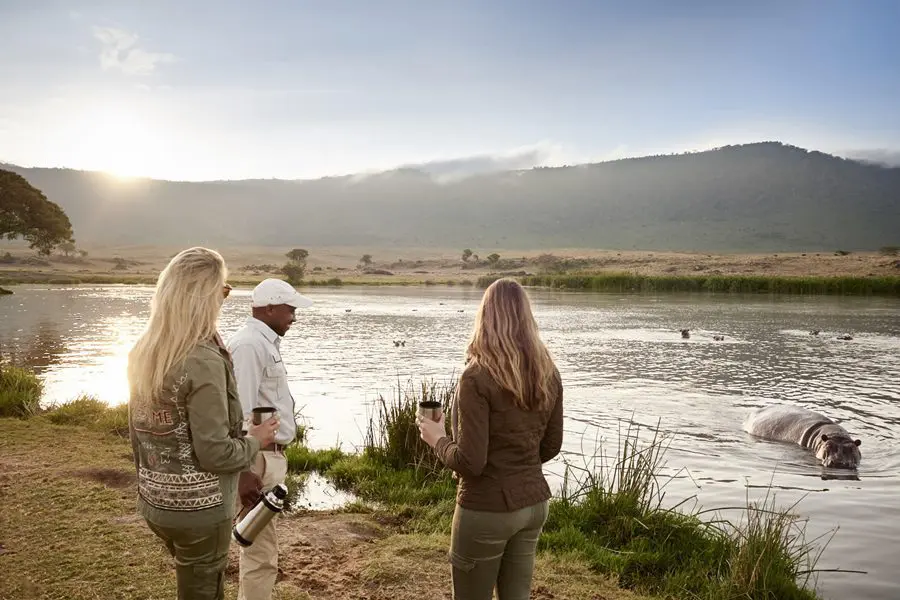
- Picnic stop. Eat lunch at a designated picnic site near a spring, and watch for hippos.
- Lake Magadi and Lerai. Check the soda lake for flamingos, then look for elephants in the forest.
- Late-afternoon light. If time remains, enjoy the softer light on the plains.
- The ascent. Climb out by the Lerai road and return to your lodge before dark.
Where to Stay Near Ngorongoro Crater
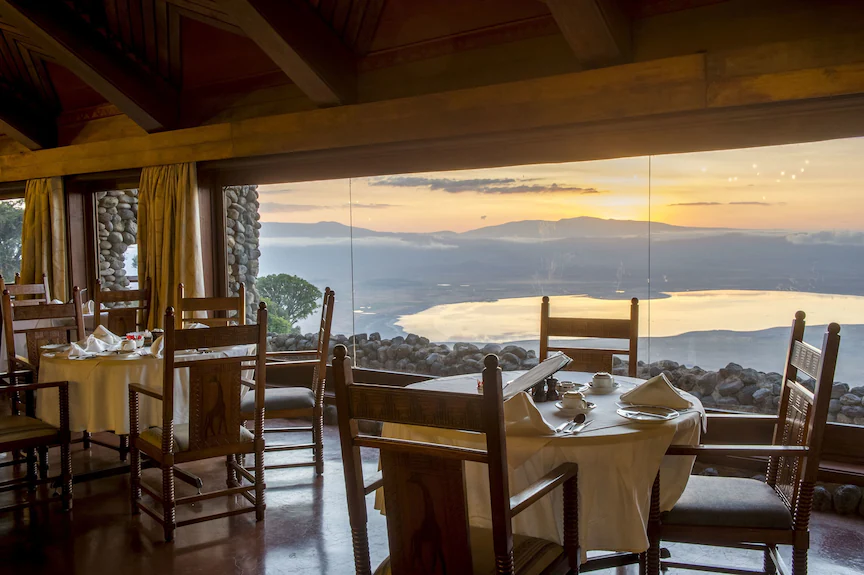
Lodges and camps sit on the rim, with views over the crater. Staying there saves driving time in the morning. It also lets you see the floor in different light.
Other travelers stay in Karatu, a town on the way, which offers more choice and a calmer pace. Wherever you sleep, book early for the dry months. Camps and lodges on the rim range from simple to comfortable, so choose the style that suits your trip.
Ask your operator which crater road is closest to your lodge. That can save up to an hour at the start of the day.
What to Pack for Ngorongoro Crater
- A fleece and a windproof jacket for cold mornings
- Light clothes for the warm floor
- A hat, sunscreen and sunglasses
- Binoculars and a camera with a zoom lens
- Comfortable closed shoes
- A reusable water bottle and snacks
- A small daypack
- Insect repellent
For a longer list, read our East Africa safari packing list.
Tips for Visiting Ngorongoro Crater
- Go early. Morning light is best, and animals are more active.
- Bring layers. The rim and the floor feel very different.
- Stay in the vehicle. Walking is only allowed at designated stops.
- Pack binoculars. The floor is big, and many animals are far away.
- Keep your voice low. Quiet makes sightings last longer.
- Respect local people. Ask before you photograph anyone.
- Charge your gear. Cold mornings drain camera batteries faster, so bring spares.
- Carry small cash. Tips and crafts are easier to pay for with small notes.
Responsible Travel at the Crater
The crater is a protected place. Small choices help keep it that way.
- Stay on the tracks and keep your distance from animals.
- Carry out all litter, including wrappers and bottles.
- Choose operators who treat guides, drivers and cooks fairly.
- Buy crafts and services from local people.
- Ask before taking photos of people.
- Choose lodges that manage waste and water carefully.
Responsible travel supports the wildlife and the communities that live around it.
Common Mistakes to Avoid
A few simple errors can spoil a visit.
- Rushing. Plan at least one night on the rim, not a hurried day.
- Packing too light. The rim is cold, even when the floor is warm.
- Expecting guarantees. Rhinos and leopards are possible, not promised.
- Starting late. Late departures mean more vehicles and less cool-hour viewing.
- Skipping binoculars. The floor is wide, and many animals sit far from the road.
Avoid these, and your visit will feel calmer and more rewarding.
Frequently Asked Questions
How big is Ngorongoro Crater?
Ngorongoro Crater is about 19 to 20 kilometers wide. Its floor covers roughly 260 square kilometers. The walls are about 600 meters high.
How long should I spend in Ngorongoro Crater?
Most travelers spend five to six hours on the crater floor. That is enough to cover the main areas. Add a night on the rim so you are not rushing.
Is Ngorongoro Crater worth visiting?
Yes. The scenery is dramatic and the wildlife is easy to see. It is also one of the few places where black rhinos are possible.
Can I walk inside Ngorongoro Crater?
No. Visitors stay in the vehicle, apart from designated picnic sites. This protects both people and animals.
Can I see the Big Five in Ngorongoro Crater?
Lions, elephants, buffalo and rhinos can all be seen. Leopards are present but shy. Seeing all five in one visit is uncommon.
Can I combine Ngorongoro Crater with the Serengeti?
Yes. Many itineraries link the two. You can also add Lake Manyara or Tarangire for more variety.
What should I wear for the crater?
Wear layers. Start with a fleece and a windproof jacket for the cold rim, then peel down for the warmer floor. Closed shoes, a hat and sunglasses complete the outfit.
Is Ngorongoro Crater safe to visit?
Yes, when you travel with a licensed guide and follow the rules. Stay in the vehicle, keep your arms inside and follow your guide’s instructions.
Can I visit as a day trip from Arusha?
It is possible, but it makes a long day. The drive takes three to four hours each way, which leaves less time on the floor. A night on the rim is a better choice.
What is the best time of day to go?
Go early, when the air is cool and animals are active. Late afternoon can also be good, but gate times limit your exit.
Book Your Ngorongoro Crater Safari Today
Ngorongoro Crater packs a lifetime of wildlife into one unforgettable morning. Gates, roads and rules all need careful planning. Let local experts handle the details so you can focus on the animals. We can add the Serengeti, Tarangire and Lake Manyara so the trip flows naturally.
Speak with Nabigaga Tours and Travels to build a private Tanzania route that includes Ngorongoro Crater. Contact us now to plan your trip.














[…] our guides to the Ngorongoro Crater and the Serengeti hot air balloon safari for more Tanzania […]