This East Africa safari itinerary links Uganda, Rwanda and Kenya in 14 days. You track chimpanzees, trek mountain gorillas and watch the Big Five on the Masai Mara. Each leg is short enough to enjoy and varied enough to feel new.
Most visitors pick one country and stop there. This East Africa safari itinerary shows why three countries work better. The border crossing is simple, the distances are sensible, and the wildlife changes completely from one stop to the next.
Read on for the full day-by-day plan, the best time to travel, visa advice and packing tips. Use it as a starting point and adjust it to your own dates and interests.

Table of Contents
Why Choose This East Africa Safari Itinerary?
A single-country trip is simple. A three-country route gives you far more for the same number of days.
- Variety. You move from rainforest to savannah to open plains.
- Primates and predators. Gorillas and chimpanzees share the route with lions and elephants.
- Easy logistics. One land border and one short flight connect the three countries.
- A natural rhythm. Uganda and Rwanda are green and cool. Kenya is wide and open.
This East Africa safari itinerary suits first-time visitors, couples, families with teenagers and anyone short of time. It asks for some early starts and a few long drives. The variety makes up for it.
Why Uganda, Rwanda and Kenya Work So Well Together
These three countries sit side by side and offer very different wildlife. Uganda gives you forest primates and varied savannah parks. Rwanda adds volcanoes, golden monkeys and a calm, easy capital. Kenya delivers the wide plains that many travelers picture when they think of a safari.
The three also share a joint tourist visa, which keeps paperwork simple. That alone makes this East Africa safari itinerary easier to arrange than three separate trips.
How This East Africa Safari Itinerary Is Paced
This East Africa safari itinerary mixes active days with easy ones. Five days involve long drives, though the Mara transfers can be flown. Three days are built around treks. The rest are game drives, border formalities and city time.
The two heaviest days are Day 5 and Day 7. Both involve long roads, so start early and keep snacks in the vehicle. Day 6 and Day 8 are lighter on driving and give you time to recover.
If you prefer a slower pace, shorten the Queen Elizabeth stay or skip Kigali. If you want more wildlife, add a night in the Mara. A good planner can reshape this East Africa safari itinerary without losing its core.
East Africa Safari Itinerary at a Glance
| Day | Where | Highlight |
|---|---|---|
| 1 | Entebbe | Arrival and rest |
| 2 | Kibale | Drive west and forest views |
| 3 | Kibale to Queen Elizabeth | Chimpanzee trekking |
| 4 | Queen Elizabeth | Game drive and boat cruise |
| 5 | Bwindi | Ishasha lions and the drive south |
| 6 | Bwindi | Gorilla trekking |
| 7 | Musanze | Border crossing into Rwanda |
| 8 | Volcanoes | Golden monkeys or Dian Fossey hike |
| 9 | Kigali | City tour and memorial |
| 10 | Nairobi | Flight and Nairobi National Park |
| 11 | Masai Mara | Transfer and evening game drive |
| 12 | Masai Mara | Full day of game viewing |
| 13 | Masai Mara to Nairobi | Final drive and farewell dinner |
| 14 | Nairobi | Departure |
Day-by-Day East Africa Safari Itinerary
Day 1: Arrive in Entebbe
Land at Entebbe International Airport and meet your driver. The transfer to your hotel is short, so you can rest after the flight. If you arrive early, visit the Entebbe Botanical Gardens or the Uganda Wildlife Education Centre. Both sit close to Lake Victoria and make a gentle start. Entebbe is also a calm place to adjust to the time zone.
Eat an early dinner and sleep well. Tomorrow begins a long drive west. Keep your visa documents and yellow fever certificate in your hand luggage. Overnight in Entebbe.
Day 2: Drive to Kibale
Leave after breakfast and head west toward Fort Portal. The drive takes five to six hours with stops. You pass tea estates, small trading towns and green hills. Stop for lunch along the way and stretch your legs. If time allows, ask your driver to pause at a viewpoint over the crater lakes near Fort Portal.
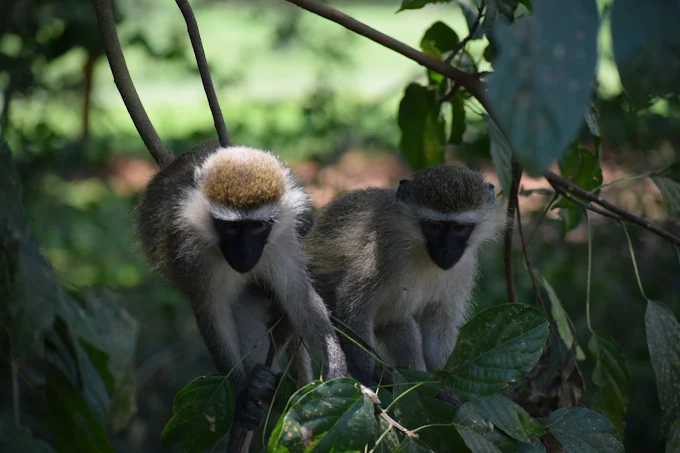
Arrive near Kibale National Park in the afternoon. Kibale shelters about thirteen primate species, so even the lodge grounds can be lively. Go to bed early, because the chimpanzee trek starts in the morning. Overnight near Kibale.
Day 3: Chimpanzee Trekking, Then Queen Elizabeth
Join your ranger briefing at the park headquarters. Then walk into the forest to find a habituated chimpanzee community. Once you find the chimps, you spend one hour with them. Watch them feed, groom and call across the canopy. Our guide to chimpanzee trekking in Kibale explains what to expect. Bring a light waterproof jacket, because forest weather changes fast. Keep your voice low and stay with your ranger at all times.
After lunch, drive two to three hours south to Queen Elizabeth National Park. The forest gives way to open savannah. Overnight near Queen Elizabeth.
Day 4: Game Drive and Kazinga Channel Cruise
Start with a sunrise game drive on the Kasenyi plains. Lions, elephants, buffalo and Uganda kob are common here. Return for breakfast and a rest.
In the afternoon, take a boat cruise on the Kazinga Channel. This waterway links Lake George and Lake Edward. You see hippos, buffalo and many waterbirds from water level. The boat gets you closer than a vehicle can. Hippos and elephants often share the shoreline, which makes for good photos. Pack binoculars for the birdlife, since the park is home to hundreds of species. Overnight near Queen Elizabeth.
Day 5: Ishasha and the Road to Bwindi
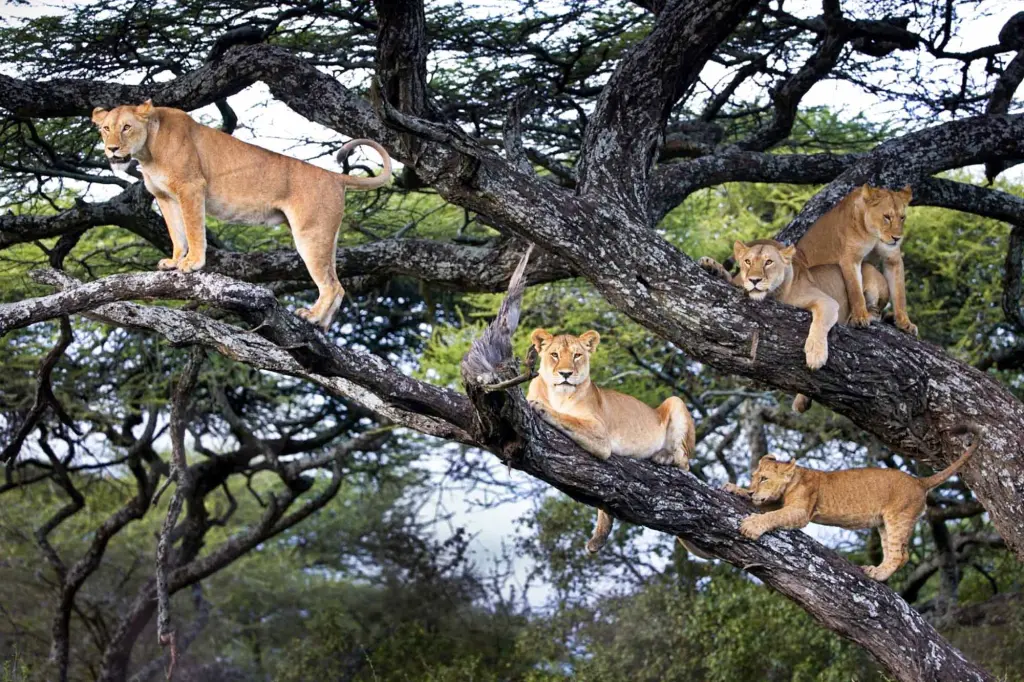
Drive south through the Ishasha sector, the quiet corner of the park. Lions here sometimes rest in fig trees, so scan the branches. Sightings are never guaranteed, but the search is part of the fun. Take your time and let your guide read the trees.
Continue through hills and terraced farmland toward Bwindi Impenetrable National Park. Expect five to six hours of driving with stops. Check in early, sort your trekking gear and eat a good dinner. Overnight near Bwindi.
Day 6: Gorilla Trekking in Bwindi
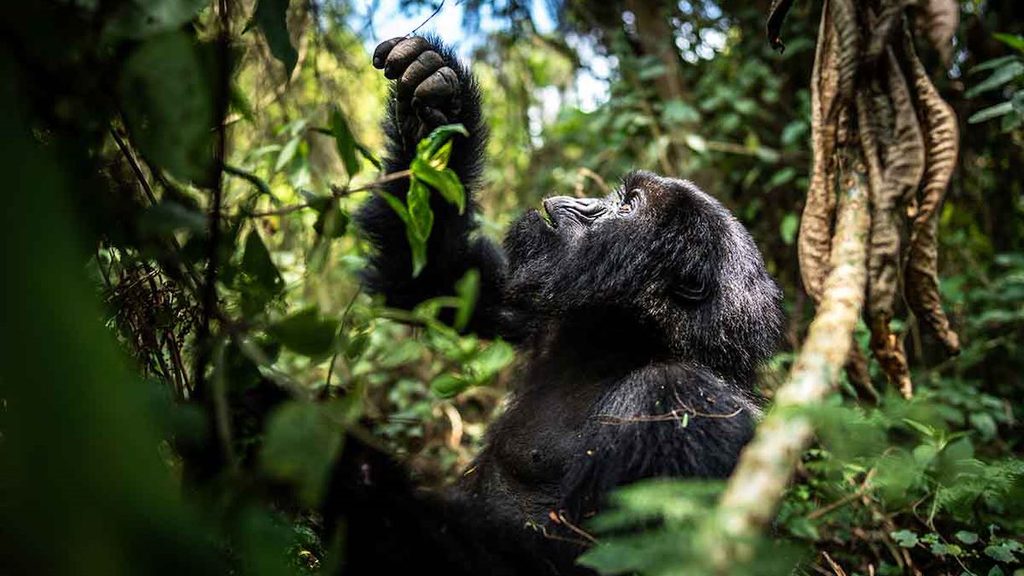
This is the day many travelers plan their whole East Africa safari itinerary around. Meet your guides at the briefing point and listen carefully to the rules. Trekkers must be at least 15 years old. Wear long trousers and sturdy boots, since the slopes are steep and often wet. Guides keep a distance of about seven meters from the gorillas.
The trek can last from under two hours to most of a day, depending on where the group has moved. Once you find the gorillas, you spend one hour with them. A porter can help with the climb. Rest in the afternoon. For permit details, read our guide to Bwindi gorilla trekking permits. Overnight near Bwindi.
Day 7: Cross Into Rwanda
Drive to Kisoro and cross the border at Cyanika. Allow time for immigration on both sides. Then continue to Musanze, the gateway to Volcanoes National Park.
The scenery shifts to steep volcanic slopes and neat farmland. Roads on the Rwandan side are generally smooth. Plan for a long day on the road. Keep your documents handy, and ask your guide about timings in advance. Check in, then stroll through town if you still have energy. Overnight in Musanze.
Day 8: Golden Monkeys or the Dian Fossey Hike
Today is lighter on driving. Choose between a golden monkey trek and a hike toward Dian Fossey’s grave. Golden monkeys live in the bamboo forest and move quickly, so keep your camera ready.
The Fossey hike climbs through forest to the old Karisoke research camp. Both options on this East Africa safari itinerary give you a close look at Volcanoes National Park. If you want a second gorilla trek, book the Rwanda permit well ahead. Our guide to gorilla trekking in Rwanda covers the details. Both outings fit into a day and leave time to rest. Overnight in Musanze.
Day 9: Kigali City Tour
Drive to Kigali, which takes about two hours. Begin at the Kigali Genocide Memorial, which tells the story of 1994 with care and dignity. Allow at least two hours for the visit. The memorial also holds gardens and an exhibition on genocides elsewhere in the world.
Then stop at a local market and taste Rwandan coffee. The capital is calm, tidy and full of good cafés. Learn more about Kigali city before you go. Overnight in Kigali.
Day 10: Fly to Nairobi
Take the short flight from Kigali to Nairobi, which lasts under two hours. Have your Kenya entry authorisation ready at the airport. After lunch, visit Nairobi National Park.
The park lies just beyond the city, so you can watch giraffes and rhinos with skyscrapers in the distance. It also gives you a first taste of Kenyan grassland before the Mara. Return to your hotel for dinner. This East Africa safari itinerary now moves from forest to open plains. Overnight in Nairobi.
Day 11: Nairobi to the Masai Mara
Drive five to six hours to the Masai Mara, or fly in about 45 minutes. If you choose to fly, you save several hours and see the Rift Valley from above. The road crosses the Rift Valley escarpment and offers wide views. Arrive in time for lunch and an afternoon game drive.
The open grassland makes spotting animals easy. Look for lions, elephants, giraffes and zebras. Return to camp at sunset. Overnight in the Masai Mara.
Day 12: A Full Day in the Masai Mara
Spend the whole day on safari. This is the heart of the Kenyan leg of the East Africa safari itinerary. Take a picnic lunch and stay out longer. The Mara is among the best places in Africa to find the Big Five. Early mornings and late afternoons usually offer the best light and the most activity.
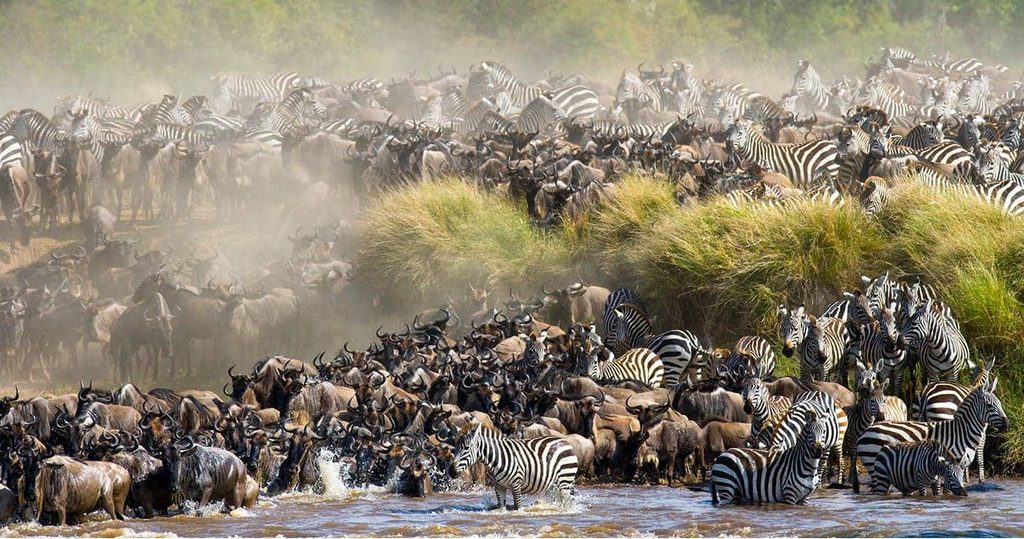
Between July and October, you may see wildebeest herds on the move. Our Great Migration safaris page explains the timing. A sunrise balloon flight and a Maasai village visit are optional add-ons. Overnight in the Masai Mara.
Day 13: Final Game Drive and Back to Nairobi
Take one last morning game drive. Use it to look for any animals you have missed, since cats are often active at first light. Then return to Nairobi by road or air. The drive takes five to six hours, so plan for most of the afternoon.
Join a farewell dinner and share your best moments. Pack carefully, because many flights leave early. Overnight in Nairobi.
Day 14: Departure
Transfer to Jomo Kenyatta International Airport for your flight home. Leave extra time for traffic and check-in. A free morning is perfect for a craft market and last souvenirs. Check your baggage allowance if you bought gifts, since weight limits differ by airline.
You can also extend your trip with a few beach days. After 14 days, this East Africa safari itinerary leaves you with three countries’ worth of memories.
Best Time to Follow This East Africa Safari Itinerary
The dry seasons make travel easier. They run roughly from June to September and from December to February. Roads are firmer and animals gather near water.
Gorilla and chimpanzee treks run all year. Trails are muddier during the long rains from March to May. In Kenya, the wildebeest usually reach the Mara between July and October. River crossings often peak around August and September.
Rainy-season travel has some advantages. Lodges can be quieter and the landscape is lush. The trade-off is slippery trails and some muddy roads. Either way, plan your East Africa safari itinerary around permit availability first.
For a month-by-month view, see our guide to the best time to visit East Africa.
Visas and Entry Rules
Uganda, Rwanda and Kenya share one joint visa. The East Africa Tourist Visa covers all three countries. It allows multiple entries within 90 days, which suits this East Africa safari itinerary well.
Apply through the country where you first enter, which is Uganda on this route. Carry a yellow fever vaccination certificate, since Uganda lists it among its requirements. Kenya also uses an electronic travel authorisation, so check the latest Kenya rules before you travel.
Kenya’s rules affect your final leg, so check them early. Allow extra processing time and keep digital and printed copies of every approval.
Entry rules change often. Confirm every detail on the official immigration portals at least a month before you fly.
Getting Between Countries
This East Africa safari itinerary uses one land border and one flight. The Cyanika crossing between Uganda and Rwanda lies near Kisoro. Carry your passport and visa, and keep them within easy reach. Border days need patience. Queues move at their own pace, so avoid tight plans for the same afternoon. Ask your guide which documents each officer may request.
The Kigali to Nairobi flight is short. Pack in soft bags, because small aircraft and Mara flights have strict weight limits.
What to Pack for This East Africa Safari Itinerary
- Neutral-colored clothes and a warm layer for cool mornings
- Waterproof walking boots with good grip
- A light rain jacket
- Long trousers and long sleeves for forest treks
- Garden gloves for gripping vegetation on the gorilla trek
- Binoculars, a camera, spare batteries and a power bank
- Insect repellent, sunscreen and a hat
- Copies of your passport, visas and yellow fever certificate
Tips for a Smooth East Africa Safari Itinerary
A few simple habits make the whole route easier.
- Book permits early. Gorilla and chimpanzee permits are limited, and peak months fill first.
- Walk before you go. A few weeks of hill walks make the treks easier.
- Leave buffer time. Long drives and flights can shift, so avoid tight connections at the end.
- Ask your doctor. Discuss malaria prevention and travel insurance before you leave.
- Pack light. You repack often, so a compact bag saves time at every stop.
- Keep your distance. Stay quiet and follow your guide around all wildlife.
Ways to Extend This East Africa Safari Itinerary
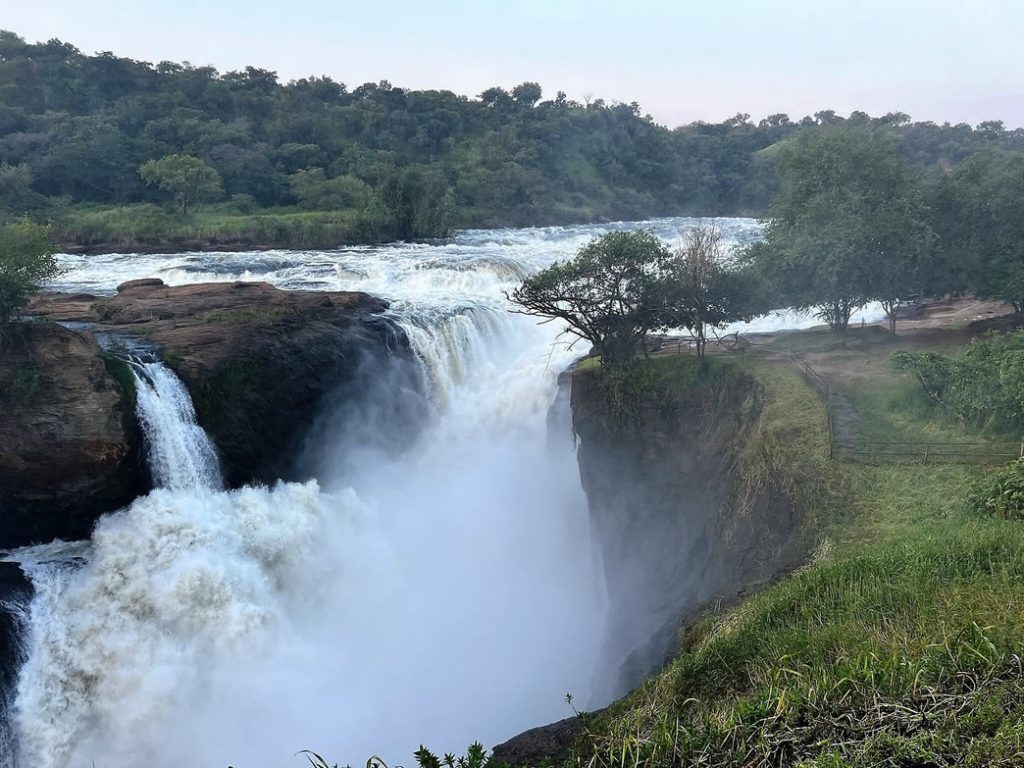
Add Murchison Falls National Park at the start for a Nile boat cruise and open savannah game drives. Add a few beach days on the coast after the Mara.
Our guide to the best Africa safari circuits shows how other routes connect. You can also read about UWA’s park rules on the Uganda Wildlife Authority website.
Frequently Asked Questions
Is 14 days enough for this East Africa safari itinerary?
Yes. It is busy but comfortable. Each stop gets at least one full day. Add two or three days if you prefer a slower pace.
Can I follow this East Africa safari itinerary in reverse?
Yes. Start in Nairobi and finish in Entebbe. Check permits, flights and visa rules for your first entry point before you book.
Do I need a separate permit for each primate trek?
Yes. Gorilla, chimpanzee and golden monkey treks each need their own permit. Book them in advance through the park authorities.
How fit do I need to be?
You need basic fitness for the trekking days. Paths can be steep and muddy, and treks vary from short to a full day. Porters can carry your bag and help on slopes.
What is the best month to follow this East Africa safari itinerary?
July to September is popular because it pairs the dry season with migration season in the Mara. December to February is also good. Book permits and lodges well ahead for either window.
Is this East Africa safari itinerary suitable for families?
Yes, for children old enough to meet the age limits. Gorilla trekking starts at 15 years, and chimpanzee trekking has its own minimum age. Ask your planner to adjust the days for younger travelers.
Book Your East Africa Safari Itinerary Today
This East Africa safari itinerary gives you gorillas, chimpanzees, volcanoes and the Masai Mara in just 14 days. Permits, lodges and flights all need early planning. Let local experts handle the details so you can focus on the trip.
Speak with Nabigaga Tours and Travels to build a private version of this route around your dates and interests. Contact us now to plan your trip.

















[…] a three-country idea, read our East Africa Safari Itinerary. Volcanoes National Park is usually the first big highlight on such […]
[…] explains what to bring, what to leave at home, and why each item matters. You can pair it with our East Africa Safari Itinerary to plan the whole […]
[…] Read the Ngorongoro Conservation Area page for destination detail. For a wider route, see our East Africa safari itinerary. […]
[…] Rwanda Safaris page shows the options. For a wider view, read our East Africa Safari Itinerary. We can build a route around your Volcanoes National Park Permits […]
[…] East Africa safari itinerary shows how multi-country routes work. A good planner can link both countries with others […]
[…] Browse all Kenya safaris to compare routes. For a longer route, see our East Africa safari itinerary. […]