Great Migration Safaris in Tanzania & Kenya
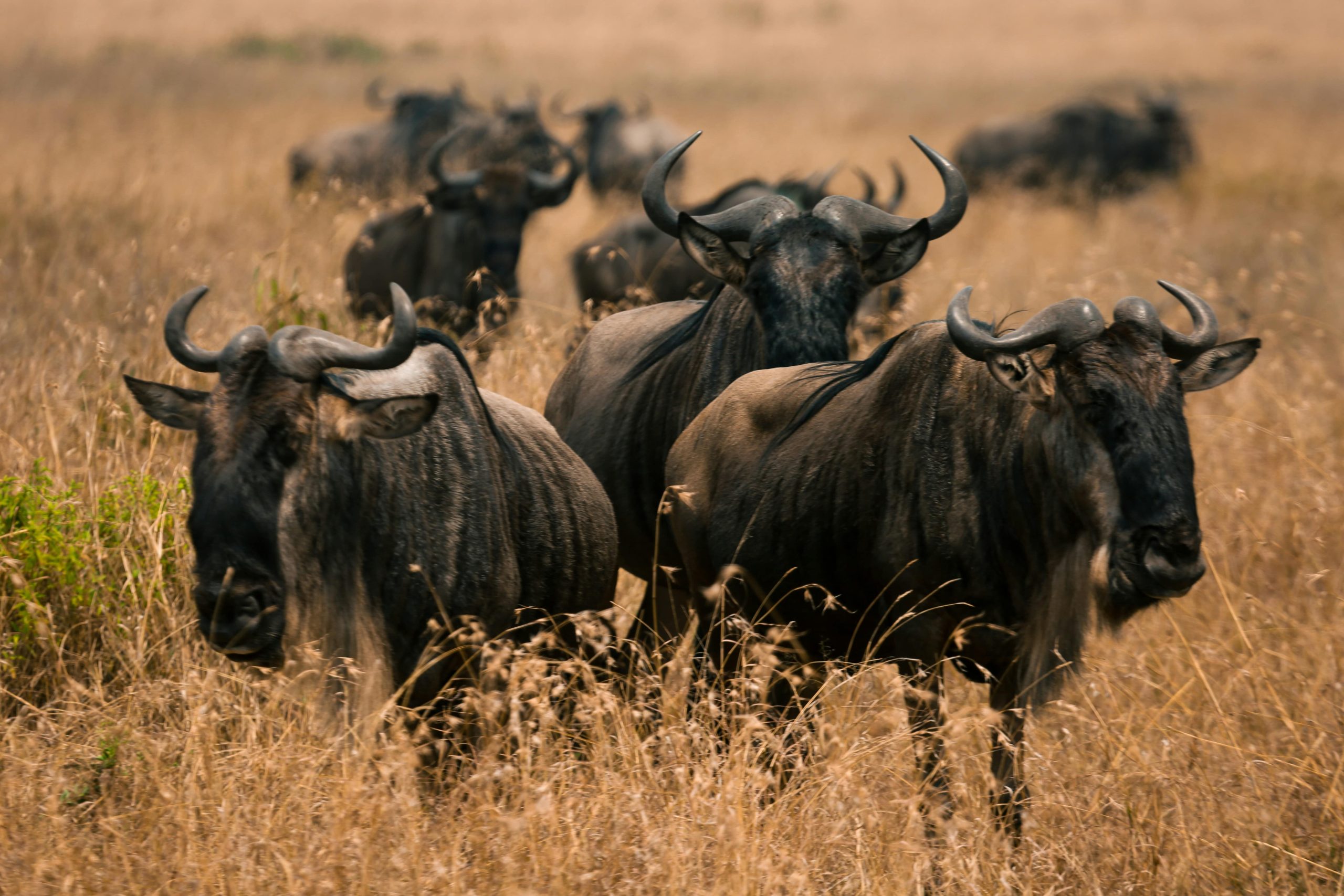
The Great Wildebeest Migration is one of Africa's most extraordinary wildlife spectacles, following a continuous cycle between the Serengeti in Tanzania and the Maasai Mara in Kenya. More than a million wildebeest move with large numbers of zebra and gazelle in search of fresh grazing and water.
A Great Migration safari is not one fixed event with one guaranteed date. The herds move throughout the year, creating different wildlife experiences in different regions and months. You can plan around calving and predator action in the Southern Serengeti, the movement through the Central and Western Serengeti, or the dramatic Mara River crossings in Northern Serengeti and the Maasai Mara.
Nabigaga Tours & Travels designs migration safaris around the movement of the herds rather than selling a fixed calendar date. This allows your itinerary to combine the migration with the Serengeti National Park , Ngorongoro Conservation Area , Tanzania safaris , or Kenya safaris .
Want to See the Great Migration?
Tell us your travel dates, preferred migration experience and budget, and we will design a safari around the most suitable migration region for your trip.
Plan My Migration SafariWhat Is the Great Wildebeest Migration?
The Great Wildebeest Migration is the annual movement of huge herds of wildebeest, accompanied by zebra, Thomson's gazelles and other herbivores, through the wider Serengeti-Mara ecosystem.
The animals follow rainfall, fresh grass and water rather than a predictable human calendar. This creates a constantly changing wildlife spectacle that moves through Tanzania and, during part of the annual cycle, into Kenya's Maasai Mara.
The migration is therefore best understood as a continuous wildlife cycle. The famous river crossings are only one part of the journey. Calving, predator activity, mating, long-distance movement and huge concentrations of grazing animals are equally important reasons to plan a migration safari.
Great Migration Calendar: Where Are the Wildebeest Each Month?
The following calendar is a planning guide rather than a guarantee. Rainfall can shift the movement of the herds from year to year, so your safari should allow flexibility wherever possible.
| Period | Likely Location | Main Experience | Why Visit? |
|---|---|---|---|
| January | Southern Serengeti & Ndutu | Herd concentration and preparation for calving | Excellent wildlife and photography conditions |
| February–March | Southern Serengeti | Calving season and intense predator activity | Newborn wildebeest and frequent predator encounters |
| April–May | Central & Western Serengeti | Northward movement | Large moving herds and greener landscapes |
| May–June | Western Serengeti | Grumeti region and continued movement | Migration viewing with potentially fewer visitors |
| July | Northern Serengeti | Herds approach the Mara River | Beginning of the major crossing season |
| August–September | Northern Serengeti & Maasai Mara | Mara River crossings and grazing | Peak demand for dramatic migration experiences |
| October | Maasai Mara & Northern Serengeti | Southward movement begins | Potential late crossings and excellent predator viewing |
| November–December | Northern, Central & Southern Serengeti | Return toward southern plains | Green-season wildlife and preparation for calving |
When Is the Best Time for the Great Migration?
The best time depends on what you want to see. There is no single best month for every traveler.
| Your Goal | Recommended Period | Best Region |
|---|---|---|
| See newborn wildebeest | February–March | Southern Serengeti / Ndutu |
| See predator action around calves | February–March | Southern Serengeti |
| See large moving herds | May–July | Western & Northern Serengeti |
| See Mara River crossings | July–October | Northern Serengeti & Maasai Mara |
| Combine migration with Kenya safari | July–October | Serengeti + Maasai Mara |
Great Migration Calving Season in the Southern Serengeti
The Great Migration calving season is one of the strongest alternatives to the famous river crossings. During roughly January to March, large concentrations of wildebeest gather on the short-grass plains of the Southern Serengeti and Ndutu area.
The abundance of newborn calves attracts lions, cheetahs, hyenas and other predators, creating exceptional opportunities for wildlife photography and predator-prey encounters.
If your priority is newborn wildebeest, predator action and dramatic wildlife photography, a Southern Serengeti migration safari can be more suitable than chasing river crossings.

Mara River Crossing Safari
The Mara River crossing is the scene most closely associated with the Great Migration. Huge herds approach the river, gather along the banks and may eventually enter the water to continue their journey between Tanzania and Kenya.
The crossing is unpredictable. Wildebeest can remain near a riverbank for hours or days before moving, and they may retreat after approaching the water. A safari operator cannot ethically guarantee that a crossing will happen on a particular day.
The best strategy is to spend several nights in the correct migration region and work with guides who can monitor herd movement and position game drives accordingly.

Are Mara River Crossings Guaranteed?
No. This is one of the most important things to understand before booking a migration safari. The river crossing is controlled by natural conditions, not by a safari operator's itinerary.
Rainfall, grazing conditions, river levels, herd location and animal behaviour can all influence the timing. Your safari should therefore be planned around a crossing season, not a guaranteed crossing date.
Serengeti vs Maasai Mara for the Great Migration
Tanzania and Kenya share the same wider ecosystem, but the safari experience can be different depending on where and when you travel.
| Feature | Serengeti, Tanzania | Maasai Mara, Kenya |
|---|---|---|
| Migration presence | Herds occupy different Serengeti regions throughout much of the year | Strongest migration presence generally July–October |
| Calving season | Excellent | Not the primary calving destination |
| Mara River crossings | Northern Serengeti | Maasai Mara |
| Wider Tanzania safari | Excellent access to Ngorongoro, Tarangire and other parks | Excellent Kenya safari combinations |
| Best for | Full migration cycle and Tanzania safari circuits | Migration season, Big Five and Kenya circuits |
Why Choose Tanzania for a Great Migration Safari?
Tanzania is particularly attractive because the Serengeti hosts the migration across much of its annual cycle. This gives travelers the opportunity to choose between different migration experiences rather than focusing only on the Mara River crossings.
A Tanzania migration itinerary can combine the Serengeti with the Ngorongoro Conservation Area , Tarangire and other northern Tanzania destinations.
For travelers interested in the wider destination, explore our Tanzania Safaris and Tanzania National Parks .
Why Choose Kenya for a Great Migration Safari?
Kenya's Maasai Mara National Reserve is one of the most famous destinations for the northern phase of the migration. From roughly July to October, large numbers of wildebeest may move through the Mara ecosystem as they search for grazing.
The Maasai Mara is also a strong year-round wildlife destination. Even outside the main migration window, travelers can encounter lions, leopards, cheetahs, elephants, buffaloes, giraffes and other wildlife.
Combine the Mara with our Kenya Safaris or explore our Kenya National Parks for a broader Kenya itinerary.
Great Migration & Big Five Safari
A migration safari does not mean watching wildebeest all day. The Serengeti and Maasai Mara are also major predator destinations, making it possible to combine the migration with classic Big Five and wildlife safaris .
Depending on the season and location, you may encounter lions, leopards, cheetahs, elephants, buffaloes, hyenas, crocodiles and numerous other species.
| Experience | Best Migration Window | Main Wildlife Attraction |
|---|---|---|
| Calving safari | January–March | Newborn wildebeest + predators |
| Central Serengeti migration | April–June | Large moving herds + predators |
| Mara River safari | July–October | Crossings + crocodiles + predators |
| Green-season safari | November–December | Green landscapes + resident wildlife |
How Many Days Do You Need for a Great Migration Safari?
The ideal length depends on the migration experience you are targeting. Short trips can work, but additional nights increase the opportunity to adapt to herd movement and weather.
| Safari Length | Recommended For | Suggested Structure |
|---|---|---|
| 3–4 Days | Short migration-focused trip | Northern Serengeti or Maasai Mara |
| 5–7 Days | Migration + classic safari | Serengeti + Ngorongoro |
| 7–10 Days | Deeper Tanzania safari | Serengeti + Ngorongoro + Tarangire and/or Lake Manyara |
| 10–14 Days | Tanzania + Kenya migration circuit | Serengeti + Maasai Mara + additional wildlife destinations |
How Much Does a Great Migration Safari Cost?
There is no single Great Migration safari price. The total cost depends on the country, travel season, accommodation level, number of travelers, safari duration, transportation, park fees, internal flights, guide services and the specific migration region.
| Cost Factor | Why It Matters |
|---|---|
| Accommodation | Luxury lodges, permanent camps and mobile camps have different rates. |
| Travel season | Peak migration months can attract higher accommodation demand. |
| Safari duration | Longer itineraries increase accommodation, meals, transport and guide costs. |
| Private vs shared safari | Private vehicles provide greater flexibility but usually cost more. |
| Internal flights | Fly-in safaris can reduce long road transfers but add flight costs. |
Instead of publishing a misleading single price, request a quotation based on your travel dates, number of travelers, preferred accommodation and migration target.
Great Migration Safari: Tanzania or Kenya?
| Traveler Priority | Better Starting Point |
|---|---|
| Calving and newborn wildebeest | Tanzania |
| Mara River crossings | Northern Tanzania or Kenya |
| Classic Tanzania safari circuit | Tanzania |
| Migration + Kenya safari | Kenya |
| Cross-border East Africa experience | Tanzania + Kenya |
Great Migration Photography Safaris
The migration is exceptionally well suited to wildlife photography. Herds in open grassland, newborn calves, predator encounters, dust, dramatic skies and river crossings create opportunities for both professional photographers and travelers using standard telephoto equipment.
If photography is your priority, allow enough time to remain flexible. The most memorable moments may happen after long periods of waiting rather than according to a fixed game-drive schedule.
- Bring a telephoto lens for distant wildlife.
- Carry spare batteries and memory cards.
- Protect equipment from dust and moisture.
- Use early morning and late afternoon light whenever possible.
- Follow all wildlife-viewing instructions from your guide.
Are Great Migration Safaris Suitable for Families?
Yes. A family migration safari can work extremely well when the itinerary is designed around appropriate driving times, accommodation, children's ages and the family's preferred pace.
Families may combine the migration with shorter game drives, cultural activities, family-friendly lodges and additional wildlife destinations rather than spending every day in the vehicle.
For a wider family itinerary, explore our family safari experiences .
What to Pack for a Great Migration Safari
| Item | Why You Need It |
|---|---|
| Neutral-coloured clothing | Practical for wildlife viewing and outdoor conditions. |
| Binoculars | Useful for distant herds and birds. |
| Camera and telephoto lens | For wildlife photography. |
| Sun protection | Hat, sunscreen and sunglasses are useful during game drives. |
| Light jacket | Early morning game drives can be cool. |
| Dust protection for electronics | Useful on long game drives through dry landscapes. |
Responsible Great Migration Safaris
The Great Migration takes place across a sensitive ecosystem shared by wildlife, conservation areas and communities. Responsible safari planning helps protect the landscape and improves the quality of the wildlife experience.
- Follow park and reserve wildlife regulations.
- Never pressure a guide to drive off designated routes.
- Maintain appropriate distances from wildlife.
- Do not feed or attempt to touch wild animals.
- Do not litter.
- Respect local communities and cultural sites.
- Choose safari operators committed to responsible wildlife tourism.
Combine the Great Migration With Other East African Experiences
One of the advantages of booking through an East African DMC is the ability to connect several experiences into one itinerary rather than treating every country as a separate holiday.

| Combination | Ideal For |
|---|---|
| Serengeti + Ngorongoro | Classic Tanzania wildlife safari |
| Serengeti + Maasai Mara | Cross-border Great Migration experience |
| Serengeti + Ngorongoro + Tarangire | Northern Tanzania safari circuit |
| Gorilla Trekking + Great Migration | Travelers wanting primates and savannah wildlife |
| Chimpanzee Trekking + Great Migration | Primate and wildlife enthusiasts |
| Great Migration + Beach Holiday | Safari followed by a relaxing coastal escape |
You can also combine the migration with our Gorilla Trekking Safaris or Chimpanzee Trekking for a wider East African wildlife itinerary.
Recommended Great Migration Safari Itineraries
| Safari | Duration | Highlights |
|---|---|---|
| Serengeti Migration Safari | 4–5 Days | Migration-focused game drives in the most appropriate Serengeti region |
| Serengeti & Ngorongoro Safari | 5–7 Days | Great Migration + Ngorongoro wildlife |
| Tanzania Migration Circuit | 7–10 Days | Serengeti + Ngorongoro + Tarangire and/or Lake Manyara |
| Kenya & Tanzania Migration Safari | 10–14 Days | Serengeti + Northern Serengeti + Maasai Mara |
| Gorilla & Great Migration Safari | 10–14+ Days | Mountain gorillas + chimpanzees + Serengeti/Maasai Mara |
Great Migration Safari FAQs
When is the Great Migration in Tanzania?
The migration occurs in Tanzania throughout much of the year, moving through different areas of the Serengeti ecosystem. The calving season is generally concentrated in the Southern Serengeti around January–March, while the herds move toward the north later in the year.
When is the Great Migration in Kenya?
The strongest migration period in Kenya is generally around July–October, when the herds reach the Maasai Mara ecosystem and the Mara River crossing season develops.
What is the best month to see the Great Migration?
It depends on the experience. February–March is excellent for calving and predator action, while August–September is commonly chosen for the Mara River crossing season.
Where is the Great Migration located?
The migration moves through the wider Serengeti-Mara ecosystem, primarily across Tanzania's Serengeti and surrounding conservation areas before moving into Kenya's Maasai Mara during part of the annual cycle.
Is the Great Migration happening all year?
Yes. The migration is a continuous annual cycle rather than a single event. What changes is the location of the herds and the wildlife experience available in each region.
Are the wildebeest crossings guaranteed?
No. River crossings depend on rainfall, herd movement, river conditions and animal behaviour. A good safari increases your chances by placing you in the correct region for the season and allowing enough time for wildlife movement to unfold naturally.
How long should I spend on a Great Migration safari?
A focused migration safari can work in 3–4 days, but 5–7 days provides more flexibility. Longer itineraries are recommended if you want to combine the migration with Ngorongoro, Tarangire, Maasai Mara, gorilla trekking or other East African experiences.
Is the Serengeti or Maasai Mara better for the Great Migration?
Neither is universally better. The Serengeti is particularly strong for the wider annual migration cycle and calving season, while the Maasai Mara is one of the most famous destinations for the northern migration and Mara River crossings.
Can I see the Big Five during the Great Migration?
Yes. The Serengeti and Maasai Mara are excellent Big Five safari destinations, although wildlife sightings are naturally never guaranteed.
Can I combine the Great Migration with gorilla trekking?
Yes. Uganda and Rwanda can be combined with Kenya or Tanzania for a multi-country East African safari. Nabigaga Tours & Travels specializes in connecting East African destinations into one coordinated itinerary.
Can I see the Great Migration without going to Kenya?
Yes. Tanzania hosts the herds across much of the annual cycle, including the Southern Serengeti calving grounds, Central Serengeti and Northern Serengeti. A Tanzania-only migration safari can therefore provide an extensive migration experience.
Can I see the Great Migration without seeing a river crossing?
Absolutely. Calving, predator action, huge grazing herds and long columns of migrating animals are all major migration experiences and do not depend on witnessing a river crossing.
Plan Your Great Migration Safari
Give us your travel dates, number of travelers, preferred country and the experience you want most: calving, predator action, moving herds or Mara River crossings. We will match your itinerary to the most appropriate migration region and season.
Request a Migration Safari Quote Explore East Africa SafarisStart with our Tanzania Safaris for a broader northern Tanzania itinerary, or explore Kenya Safaris if you want to build your migration journey around the Maasai Mara.
You can also combine your safari with Ngorongoro Conservation Area , Tarangire National Park , or other wildlife destinations across East Africa.
Migration planning note: Great Migration timing varies with rainfall, grazing conditions and natural herd movement. Dates and locations shown on this page are planning guidelines rather than guarantees. A river crossing cannot be guaranteed on a particular day.
Trusted by Uganda's Tourism Industry