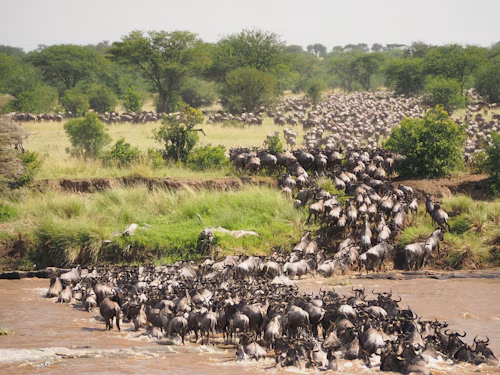
The Masai Mara migration usually runs from July to October. The first herds cross into Kenya in July. River crossings peak in August and September. By late October, the herds begin to drift back to Tanzania.
This guide explains the Masai Mara migration month by month. You will learn where the herds are, when crossings happen and how many nights you need. You will also find advice on crowds, camps and what to pack.
Use it to time your safari, so you arrive when the herds do.
Table of Contents
Masai Mara Migration: The Short Answer
The Masai Mara migration is not a single day. It is a season. Here is the quick version.
- Herds arrive: July.
- Peak crossings: August and September.
- Herds leave: late October into November.
- Best window: late July to mid-September for most first-time visitors.
- Booking tip: book camps six to twelve months ahead for August and September.
Timing shifts each year, because the herds follow the rains, not the calendar. A good plan allows for that.
Masai Mara Migration at a Glance
| Months | Where the herds are | What to expect |
|---|---|---|
| January to March | Southern Serengeti, Tanzania | Calving season, no herds in Kenya |
| April to June | Central and western Serengeti | Herds move north |
| July | Northern Serengeti and the Mara | First Mara River crossings |
| August | Masai Mara and northern Serengeti | Peak crossings and peak crowds |
| September | Masai Mara | Crossings continue, fewer vehicles |
| October | Masai Mara, then south | Herds begin to leave |
| November to December | Southern Serengeti | Herds return south |
Great Migration Facts That Help You Plan
A few facts make planning easier.
- The herds follow rain. Fresh grass drives every move, so dates shift each year.
- The loop is continuous. There is no start or end. The herds are always somewhere.
- Crossings repeat. Herds can cross the Mara River more than once in a season.
- Predators follow. Lions, cheetahs and crocodiles all benefit from the herds.
- Resident wildlife stays. Big cats and elephants live in the Mara all year.
Keep these in mind, and you will plan with realistic hopes.
How the Masai Mara Migration Works
The Great Migration is a circular journey. More than a million wildebeest, along with hundreds of thousands of zebras and gazelles, follow the rains. UNESCO describes the trek as roughly 1,000 kilometers long. You can read more on the UNESCO page for the Serengeti.
The Serengeti in Tanzania and the Masai Mara in Kenya form one ecosystem. The herds do not recognise the border. They move wherever fresh grass grows.
The Mara is the northern end of the loop. Kenya’s Masai Mara covers about 1,510 square kilometers. That is much smaller than the Serengeti, so the herds look concentrated when they arrive.
The Mara River stands between the herds and the grass. To reach it, they must cross. That is what makes the crossings so dramatic.
Masai Mara Migration Month by Month
Use this timeline to match your dates to the herds.
January to March: The Herds Are in Tanzania
The herds gather on the southern plains of the Serengeti. Calving peaks in February. There are no migration herds in the Mara at this time.
The Mara still offers excellent wildlife. It is also quiet, so you can enjoy game drives with few other vehicles. Resident lions, elephants and cheetahs stay all year. Our guide to Kenya or Tanzania explains how the two countries compare.
April to June: The Herds Move North
The herds trek north through the central and western Serengeti. The long rains fall, and the grass grows tall. In June, some herds reach the Grumeti River.
The Mara is quieter and greener. Many lodges offer lower rates. This can suit travelers who want game drives without migration crowds. Showers are common, so pack a rain jacket.
July: The Herds Reach the Mara
Early scouts can arrive in late June. The main columns usually reach the Mara in July. The first crossings of the Mara River begin.
By late July, large herds are often settled in the reserve. Crowds are building, but they are lighter than in August. This is a smart month for travelers who want a strong chance of crossings with fewer vehicles. Book early, because good camps already fill by now.
August: Peak Crossings
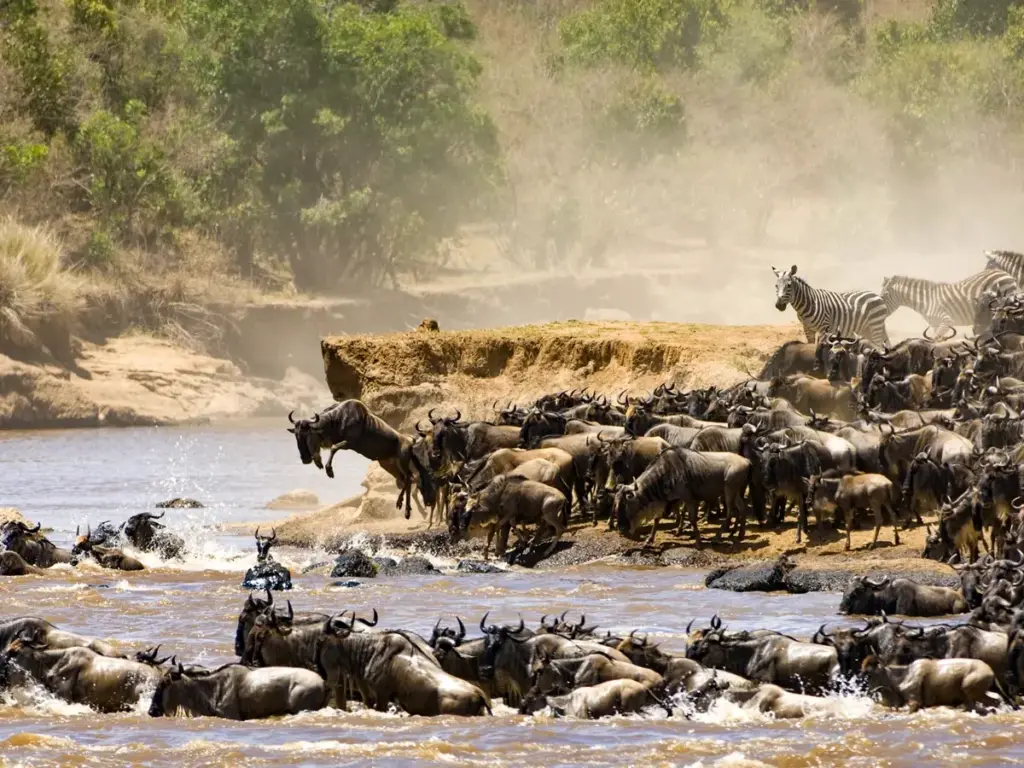
August is the headline month. Herds mass along the Mara River. Crossings are frequent, and the Mara is at its busiest.
Camps near the best crossing points fill early. Plan far ahead if August is your target. Our page on Great Migration safaris explains the full cycle.
September: Crossings Continue With Fewer Vehicles
Crossings remain frequent in September. The crowds thin slightly compared with August. It is often a good compromise.
Predators are active too. Lions, leopards and cheetahs follow the herds. September is a good choice if you want crossings and a little more space. Dry weather also makes game drives comfortable.
October: The Herds Turn South
Crossings continue in early October, and some herds cross back into Tanzania. As the short rains approach, the herds start moving south. By late October, numbers fall.
October is calmer. Light is soft, and predators remain active. It is a good month if you want fewer vehicles. Ask your guide about recent herd movements before you plan your days.
November and December: The Herds Return to Tanzania
By November, most herds are heading back to the southern Serengeti. The short rains arrive. The Mara turns green again.
The migration restarts the cycle in Tanzania. If you want to see the herds in these months, plan a trip to the Serengeti instead. Our Serengeti page explains what to expect there.
Where to See Mara River Crossings
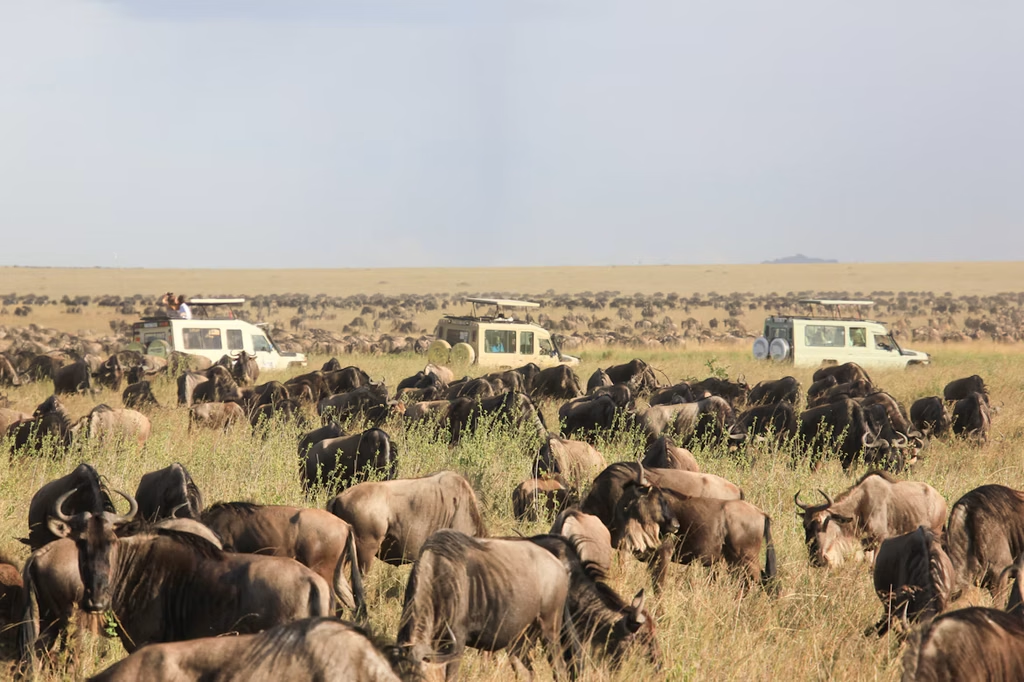
Crossings happen at several points along the Mara River. Guides watch the herds and position vehicles at the right spot.
Popular viewing areas include:
- Lookout Hill. A well-known vantage point where several crossing points can be seen.
- The Mara Triangle. The western side of the river, known for crossings.
- Sand River and Serena areas. Crossing points on the eastern side.
Herds change their minds. A crossing point that is quiet in the morning can be busy by afternoon. A good guide reads the herds and moves to match.
What a Mara River Crossing Is Really Like
A crossing is not a show on a schedule. It is wildlife, and wildlife is unpredictable.
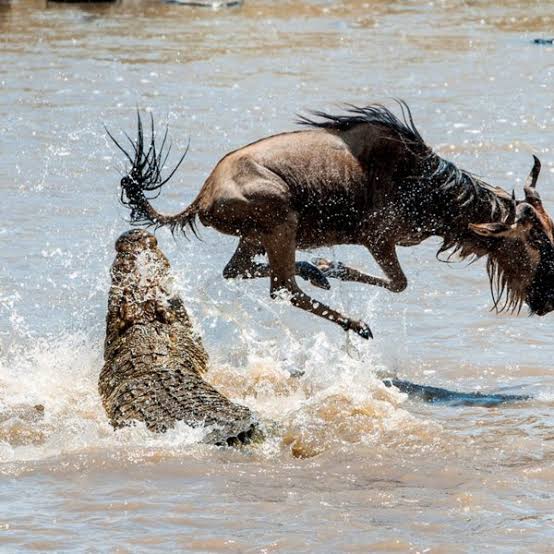
Herds often gather at the river bank for hours. They may refuse to cross and walk away. Then, without warning, one animal jumps in. The rest follow in a rush.
Crocodiles wait in the water. Many wildebeest cross safely, but some do not. It is raw and sometimes hard to watch.
Patience is the key. Bring snacks, water and a camera ready to shoot. Give the river a few days, and you will usually see something memorable.
Guides often wait in a quiet spot with a clear view. The air feels still, and then dust rises as the herds surge. When the moment comes, it passes quickly. Keep your camera ready, and take time to simply watch.
How Many Nights for the Masai Mara Migration
Plan at least three nights in the Mara. That gives you time to wait for herds.
If crossings are your main goal, plan four or five nights. Extra time raises your chances of seeing a full crossing. It also lets you enjoy resident wildlife between waits.
A shorter trip is still worthwhile. Our 3-day Masai Mara luxury wildlife escape gives you a concentrated safari from Nairobi.

A Sample Five-Night Plan
This plan shows how to give the herds enough time.
- Day 1. Fly from Nairobi to the Mara and take an afternoon game drive.
- Days 2 to 4. Spend full days near the river. Pack a picnic lunch, and let your guide choose where to wait.
- Day 5. Add a sunrise balloon flight if the weather allows.
- Day 6. Take a last game drive, then fly back to Nairobi.
The plan balances waiting with exploring. It also leaves room for resident wildlife between crossings.
Masai Mara Migration by Travel Style
Your style can change the best dates.
- First-timers. Choose late July to mid-September. Crossings are frequent, and logistics are simple.
- Photographers. Choose August or September for action, or October for softer light and fewer vehicles.
- Quiet seekers. Choose October, or consider a private conservancy.
- Families. Choose a shorter route, such as a three-day trip with a flight in and out.
- Honeymooners. Choose a mix of the Mara and a coastal finish, such as Diani.
Tell your planner how you like to travel. They can match your style to the right month and camp.
Masai Mara Migration vs the Serengeti
The same herds cross both sides of the border. Which side should you choose?
- Mara: compact, with frequent big-cat sightings and a short, concentrated crossing season.
- Serengeti: huge, with more space and herds present for much of the year.
Crossings also happen in northern Tanzania, so the Mara is not the only option. If you want calving, choose Tanzania in January to March. If you want a short flight from Nairobi, choose the Mara.
Our 7-day Tanzania Great Migration safari covers the Serengeti and Ndutu. Read our guide to a Serengeti hot air balloon safari for another way to see the herds.
More Than Crossings: Predators and Balloon Flights
The Masai Mara migration is not only about wildebeest. The herds bring predators. Lions, leopards and cheetahs follow them, and hyenas and crocodiles wait at the river.
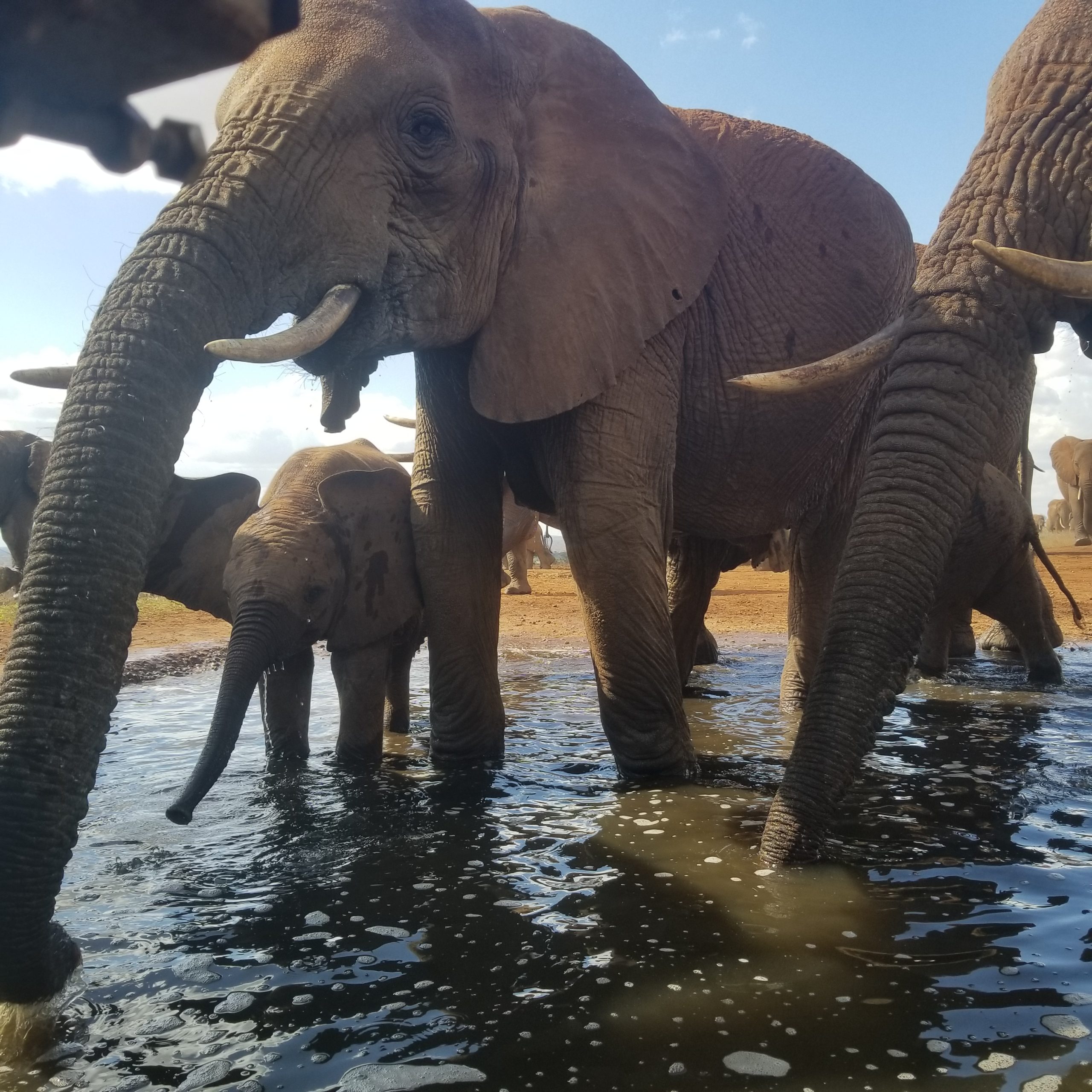
Resident wildlife is strong all year. Elephants, giraffes, buffalo and hippos live in the Mara in any month.
Balloon flights also run through the year. A dawn flight over the plains gives you a wide view of the herds. Book early in your stay, so you have a spare day if the weather is poor.
Where to Stay for the Masai Mara Migration
You can stay inside the reserve, in the Mara Triangle or in a private conservancy. Each has benefits.
- The reserve. Close to the main crossing points, but busy in peak months.
- The Mara Triangle. Strong crossing areas on the western side of the river.
- Conservancies. Fewer vehicles and more freedom. They allow night drives, guided walks and off-road driving, which the reserve does not.
Camps near the best crossing points fill six to twelve months ahead for August and September. Book early.
Whichever you choose, ask how far the camp is from the river. A shorter drive means more time waiting at the bank and less time on the road.
Responsible Viewing of River Crossings
River crossings attract many vehicles. Good manners protect the herds and improve everyone’s experience.
- Stay on tracks and keep a respectful distance.
- Never block the herds or drive toward the river bank.
- Keep your voice low and your engine off when asked.
- Follow your guide’s instructions at every sighting.
- Choose operators who respect park rules and local communities.
Rules at busy crossing points can change, including limits on vehicle numbers. Ask your guide how they apply on your day.
Weather in the Mara During the Migration
The migration season falls in the dry months. Days are usually sunny and warm. Mornings and evenings are cool, so a fleece helps on early drives.
Dust can rise on dry tracks, and a light scarf is useful. Occasional showers can still fall, even in the dry season. Rain is more common at the start and end of the migration window.
Because the herds follow the rains, wet years can shift the schedule. Ask your operator for the latest herd report before you travel.
Getting to the Masai Mara
Most travelers fly from Nairobi. The flight takes about 45 minutes. Others drive, which takes five to six hours.
Flying saves time and lets you start game drives sooner. Driving costs less time in the air but more on the road. Your operator can help you choose. If you fly, pack in soft bags, because small aircraft have strict weight limits.
If the migration is your goal, arrive a day early. That gives you a buffer for delays.
Our Kenya Packages for the Masai Mara Migration
These packages put you in the Mara during the migration season.
- 3 Days – Masai Mara Luxury Wildlife Escape runs from Nairobi to the Masai Mara and back.
- 5 Days – Masai Mara, Lake Nakuru and Lake Naivasha adds the Rift Valley lakes.
- 8 Days – Kenya Safari and Diani Beach Escape covers Nairobi, the Mara, Amboseli and Diani.
Browse all Kenya safaris to compare routes. For a longer route, see our East Africa safari itinerary.
What to Pack for the Masai Mara Migration
- Neutral-colored clothes and a warm layer for cool mornings
- A hat, sunscreen and sunglasses
- Binoculars and a camera with a zoom lens
- Closed, comfortable shoes
- A light rain jacket
- A reusable water bottle and snacks
- A small daypack
For a longer list, read our East Africa safari packing list.
Tips for Seeing the Masai Mara Migration
- Book early. The best camps fill six to twelve months ahead.
- Stay flexible. The herds follow the rains, so timing shifts.
- Give the river time. Three or four days improve your chances.
- Start early. Mornings are cooler and quieter.
- Follow your guide. Good guides know where the herds will go.
- Be patient. A crossing can take hours to begin.
- Keep your distance. Never ask your driver to crowd the herds.
Common Mistakes to Avoid
A few errors can spoil a migration safari.
- Expecting a guarantee. Crossings cannot be promised.
- Staying too few nights. Two nights is rarely enough.
- Booking late. Camps fill first in August and September.
- Ignoring the weather. The herds move with the rains.
- Forgetting resident wildlife. The Mara is rich even between crossings.
Avoid these, and your migration trip will feel far more rewarding.
Frequently Asked Questions
When is the Masai Mara migration?
The Masai Mara migration usually runs from July to October. Crossings peak in August and September.
When do the herds arrive in the Masai Mara?
The first herds arrive in July. By late July, large herds are often settled in the reserve.
When do the herds leave the Masai Mara?
They begin to head south in late October and are mostly gone by November.
What is the best month to see Mara River crossings?
August and September are the most reliable. July and October can also be good.
Can I see the Masai Mara migration in June?
Early scouts can appear in late June, but the main herds usually arrive in July.
How many nights do I need for the Masai Mara migration?
Plan at least three nights. Plan four or five if crossings are your main goal.
Is August or September better for the Masai Mara migration?
Both are strong. August has the most crossings and the most vehicles. September has frequent crossings and slightly fewer vehicles.
Are there crossings in October?
Yes, in early October. Some herds cross back toward Tanzania, and numbers thin by late October.
Is the Masai Mara migration worth the trip?
Many travelers find it unforgettable, even without a full crossing. The Mara also offers strong predator sightings.
Is the Masai Mara migration guaranteed?
No. Herds follow the rains, and a crossing cannot be promised on any day.
Is the Mara or the Serengeti better for the migration?
Neither is better every time. The Mara is compact, and the Serengeti is vast. Crossings happen on both sides.
Book Your Masai Mara Migration Safari Today
The Masai Mara migration is one of the greatest wildlife shows on earth. Dates, camps and flights all need careful planning. Let local experts handle the details so you can focus on the herds.
Speak with Nabigaga Tours and Travels to build a private Masai Mara migration safari around your dates. Contact us now to plan your trip.