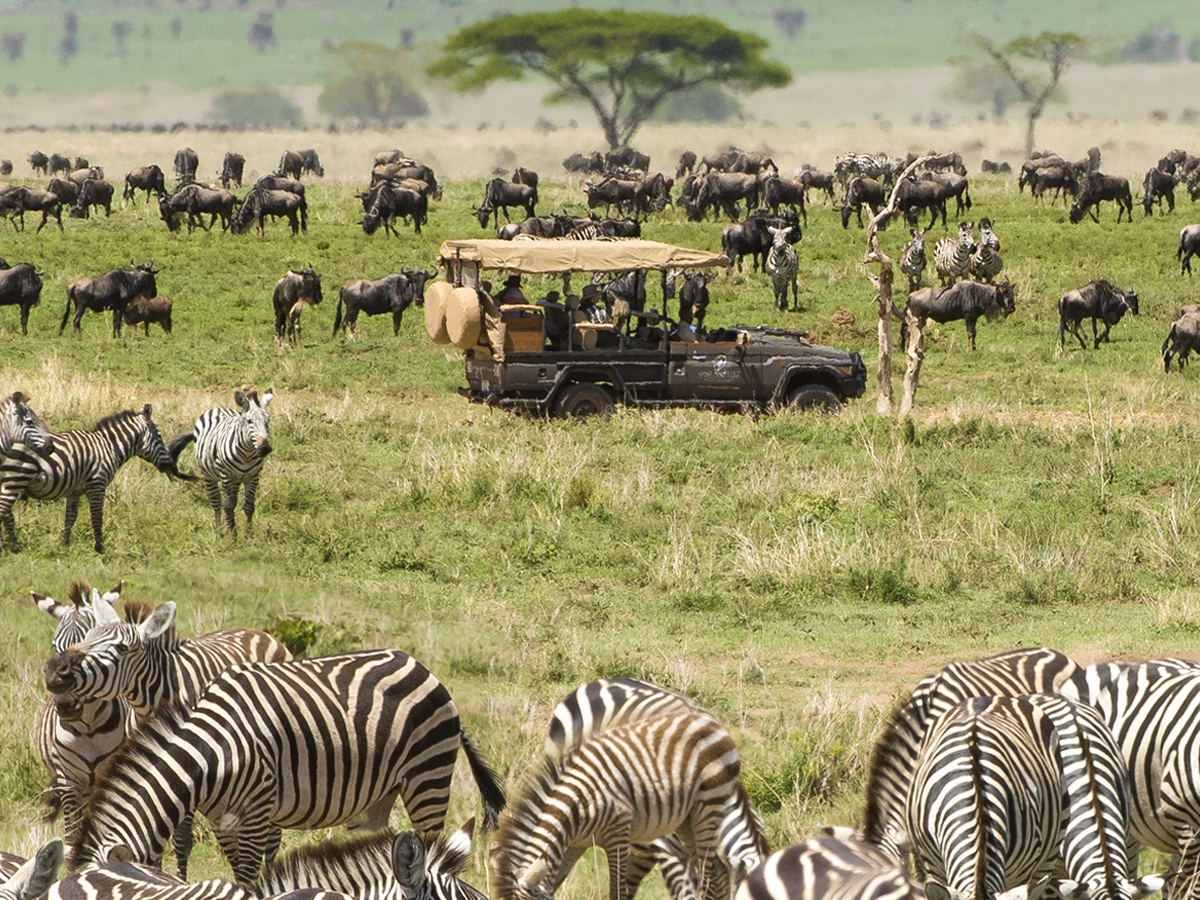
Kenya or Tanzania is the first big question for most first-time safari travelers. Both countries share the same wildlife, the same Great Migration and the same sweeping plains. Yet the experience on the ground feels different.
This guide compares Kenya or Tanzania on the points that matter most: wildlife, migration, crowds, safari style, travel time and beaches. It also shows which of our packages fits each choice.
Read it before you book, so you pick the country that suits your dates, your pace and your idea of a perfect safari day.
Table of Contents
Kenya or Tanzania: The Short Answer
Neither country is better in every way. The right choice depends on your time, your interests and your travel style.
- Choose Kenya if you have a shorter trip, want easy logistics and love big cats, elephants and a beach finish at Diani.
- Choose Tanzania if you want vast wilderness, the Ngorongoro Crater, calving season and Zanzibar after your safari.
- Choose both if you have ten days or more and want to see two sides of the same ecosystem.
The rest of this guide explains why. By the end, you will know which side of the Kenya or Tanzania question you are on.
If you are still unsure, ask yourself three questions. How many days do I have? Which month am I traveling? Do I want a beach at the end?
Kenya or Tanzania at a Glance
| Feature | Kenya | Tanzania |
|---|---|---|
| Best known for | Masai Mara, Amboseli, private conservancies | Serengeti, Ngorongoro Crater, Tarangire |
| Flagship park size | Masai Mara Reserve, roughly 1,500 km² | Serengeti, about 15,000 km² |
| Crowds | Mara can be busy in migration season | Large parks that feel spacious |
| Extra activities | Night drives and bush walks in conservancies | Mostly daytime game drives, with night drives in a few parks |
| Migration | Herds in the Mara from about July to October | Herds present much of the year, calving from January |
| Beach finish | Diani, Watamu and the Mombasa coast | Zanzibar |
| Getting around | Nairobi to the Mara by air or road | Longer drives or flights between parks |
How Kenya or Tanzania Compares for a First Safari
Eight factors shape the decision. Each one below compares the two countries side by side.
1. Wildlife and the Big Five
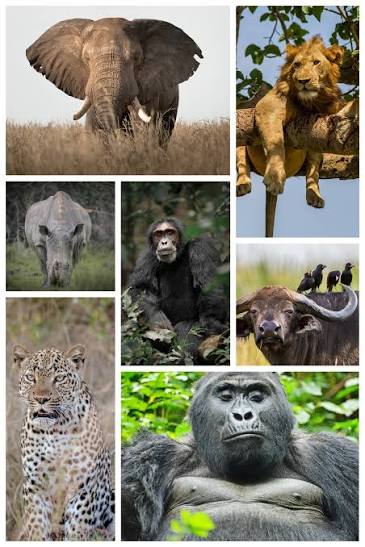
Both countries offer the Big Five: lion, leopard, elephant, buffalo and rhino. You will not go wrong with either.
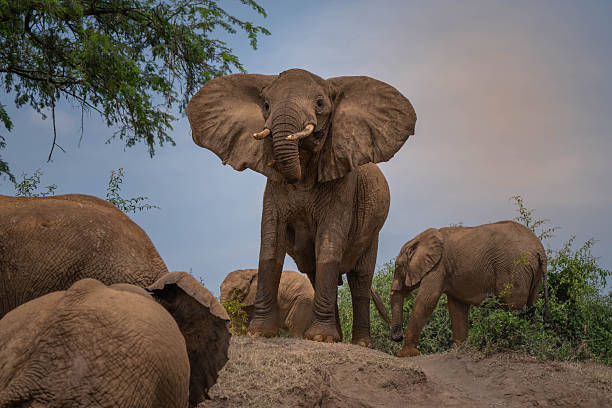
Kenya’s Masai Mara is famous for its big cats. Sightings are frequent in a compact area. Amboseli adds large elephant herds with Mount Kilimanjaro behind them.
Tanzania spreads its wildlife across bigger parks. The Serengeti holds big cats and huge herds. The Ngorongoro Crater adds a rare chance of black rhino, flamingos and a dense mix of species in one bowl. Tarangire is known for elephants and baobab trees.
For a first safari, wildlife quality is high in both. The difference is how far you travel to see it. Wildlife is most active in the morning and late afternoon, so early starts matter in either country. Leopards and rhinos are the hardest of the Big Five to find in both. Our page on Big Five and wildlife safaris shows how to plan for them.
2. The Great Migration in Kenya or Tanzania
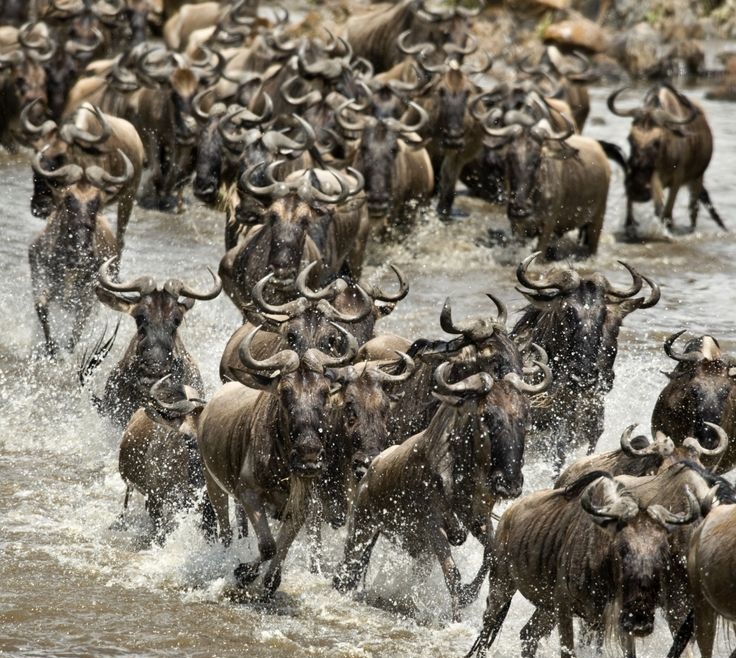
The Great Migration moves between the two countries. More than a million wildebeest, along with hundreds of thousands of zebras and gazelles, follow the rains in a circular trek that UNESCO describes as roughly 1,000 kilometers long.
In Tanzania, the herds are present for much of the year. Calving season on the southern plains runs roughly from January to March. In Kenya, the herds usually reach the Masai Mara between July and October. River crossings often peak in August and September, in the Mara and in northern Tanzania.
If you want calving, choose Tanzania. If you want a short, concentrated crossing season close to Nairobi, choose Kenya. Crossings are never guaranteed, so timing matters more than country. Do not plan a trip only around a river crossing. Cats, elephants and birds make every day worthwhile, even outside the peak crossing months. Our overview of Great Migration safaris explains the cycle.
3. Crowds and Space in Kenya or Tanzania
The Masai Mara Reserve covers roughly 1,500 square kilometers. The Serengeti covers about 1.5 million hectares, or roughly 15,000 square kilometers, according to UNESCO’s listing for the Serengeti. That gap shapes how busy each place feels.
A good sighting in the Mara can draw many vehicles quickly, especially in migration season. The Serengeti is far larger, so even popular areas can feel spacious.
Kenya’s private conservancies limit vehicles and beds, so they feel quieter. If crowds worry you, choose Tanzania’s big parks or Kenya’s conservancies. Either way, start early. Mornings are calmer. Crowding is also about timing, so visiting outside August and September means fewer vehicles in the Mara. Good guides also move away from busy sightings to find a quieter spot.
4. Safari Style: Parks or Conservancies
Tanzania’s national parks focus on daytime game drives. Off-road driving is not allowed, and walking safaris are limited to a few areas. Night drives are not allowed in the Serengeti or the Ngorongoro Crater, though Tarangire and Lake Manyara offer them under park guidelines. Private concessions on the park edges offer more.
Kenya works differently around the Mara. Private conservancies such as Mara North, Olare Motorogi and Naboisho allow night drives, guided walks and off-road driving. The national reserve itself does not.
If you want the widest choice of extras, Kenya’s conservancies have the edge. If you prefer simple, classic game drives, either country works well. Conservancy stays need more planning, because beds are limited.
5. Getting Around Kenya or Tanzania
Nairobi is a major hub with many direct international flights. From Nairobi, the Masai Mara is about 45 minutes by air or five to six hours by road. Amboseli is also an easy add-on.
In northern Tanzania, most visitors arrive near Arusha. The drive to Ngorongoro takes about three to four hours. The Serengeti lies further on, so many travelers add an internal flight.
Kenya often feels simpler on a short trip. Tanzania asks for more driving or flying, but rewards you with more variety. Road conditions and traffic can add time in both countries, so build in a buffer day.
Entry rules also differ. Kenya requires an electronic travel authorisation for most visitors. Tanzania requires a visa for most visitors, which you can apply for online as an e-visa, and many nationalities can also get one on arrival. Rules change, so check the official portals before you book.
6. Beach Add-Ons
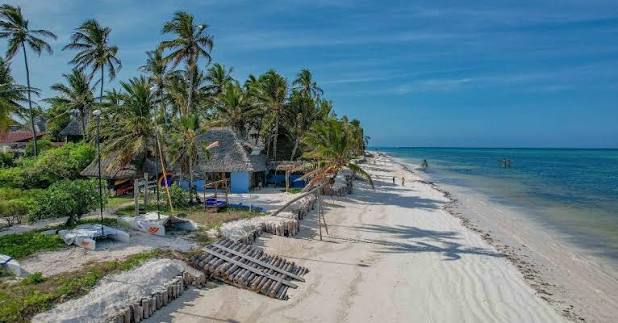
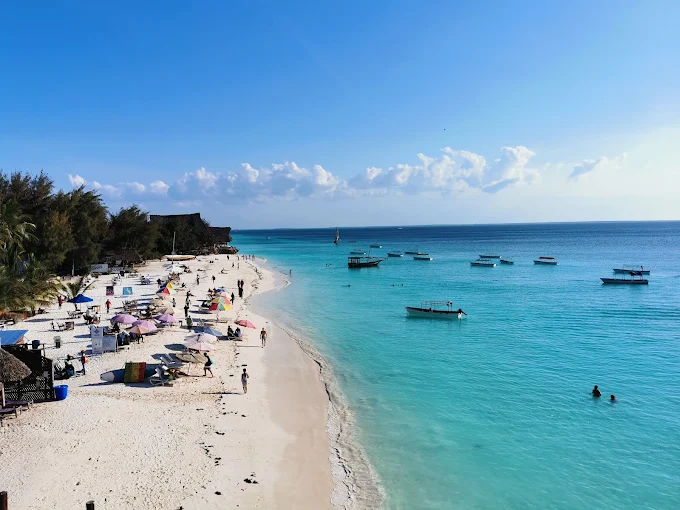
Kenya’s Diani Beach, Watamu and the Mombasa coast suit a safari-and-beach trip. Tanzania offers Zanzibar, with Stone Town’s old streets and white-sand beaches. Both are easy to add after a safari. Plan your final transfers carefully, since the coast is a flight or a long drive from the parks.
Our 8-day Kenya safari and Diani beach escape follows the Nairobi, Mara, Amboseli and Diani route. Our 10-day Tanzania safari and Zanzibar luxury escape adds island time to the northern circuit.
7. Scenery and Variety
Kenya and Tanzania look different. The Mara is open, rolling grassland with riverside woodland. Amboseli has dusty plains and swamps beneath Kilimanjaro. The Rift Valley adds dramatic escarpments and lake birdlife.
Tanzania offers more variety in a single trip. You see the Serengeti plains, the Ngorongoro Crater, baobab-dotted Tarangire and forested Lake Manyara.
Photographers often like both, for different reasons. If you enjoy a changing view each day, Tanzania’s northern circuit delivers. A first safari is as much about light and space as it is about animals.
8. Trip Length for a First Safari
First-timers usually need six to eight days. Kenya can work in three or four days from Nairobi to the Mara. Tanzania’s northern circuit needs five to seven days to avoid rushing.
Longer trips let you add beaches or culture. Our Tanzania packages run six, seven, eight and ten days. Our Kenya package runs eight days. Rushing is the most common first-timer mistake. Fewer parks with more time in each beat a long list.
Either country can fit your calendar if you plan the days well.
A First Safari Day: What to Expect
A typical safari day follows the animals. The pattern is similar in Kenya and Tanzania.
- Dawn. You leave camp early, when the air is cool and animals are active.
- Morning game drive. Look for cats, elephants and herds on the move.
- Midday rest. Return to camp or stop for a picnic during the heat.
- Afternoon drive. Activity picks up again in the late afternoon.
- Sunset. Return to camp as the light turns gold.
Bring binoculars, a hat and a warm layer. Ask your guide questions, because good guides share the stories behind each sighting. A first safari feels easier when you know the rhythm.
Who Should Choose Kenya?
Kenya suits travelers who want a compact, easy safari.
- You have a short trip and want less travel time.
- You love big cats and frequent sightings.
- You want night drives or guided walks in a conservancy.
- You want elephants with Kilimanjaro views at Amboseli.
- You want a beach finish at Diani or the Mombasa coast.
Kenya rewards travelers who value time over distance.
Who Should Choose Tanzania?
Tanzania suits travelers who want scale and variety.
- You want vast landscapes and a wilderness feel.
- You want the Ngorongoro Crater on your route.
- You want to see calving season on the southern plains.
- You want Tarangire’s elephants and baobab trees.
- You want Zanzibar after your safari.
Tanzania rewards travelers who value space and variety.
Read our guides to the Ngorongoro Crater and the Serengeti hot air balloon safari for more Tanzania ideas.
Kenya or Tanzania for Families, Couples and Solo Travelers
Your travel group can shape the choice as much as the park.
- Families. Shorter drives suit young children, and Kenya often makes that easier. Check age rules for activities such as balloon flights.
- Couples. Both countries pair well with a beach. Diani and Zanzibar suit honeymoons and anniversaries.
- Solo travelers. Ask about small-group departures, and check how seating and rooms are arranged.
- Photographers. Tanzania offers varied landscapes. Kenya’s conservancies allow closer positioning.
Tell your planner who is traveling, and they can match the route to your group.
Can You Combine Kenya or Tanzania on One Trip?
Yes. The Serengeti and the Masai Mara are two parts of one ecosystem, so the animals cross the border freely. Many travelers visit both.
A combined trip needs extra days for borders or flights. Allow ten days or more, and keep a buffer day between the two countries in case a flight or border crossing shifts. The East Africa Tourist Visa covers Kenya, Uganda and Rwanda but not Tanzania, so Tanzania needs its own entry process. One route starts in Nairobi, visits the Mara and Amboseli, then moves into northern Tanzania. Another starts in Arusha and ends in Nairobi.
Our East Africa safari itinerary shows how multi-country routes work. A good planner can link both countries with others smoothly.
Quick Decision Guide
Use this table when you want a fast answer. Each row matches a wish to the country that usually fits it best.
| If you want | Usually choose |
|---|---|
| A short trip with easy logistics | Kenya |
| Night drives and walks in the Mara area | Kenya’s conservancies |
| Elephants with Kilimanjaro views | Kenya, at Amboseli |
| A beach finish | Kenya for Diani, Tanzania for Zanzibar |
| The Ngorongoro Crater | Tanzania |
| Calving season | Tanzania, from January to March |
| Huge, spacious parks | Tanzania |
| Compact, frequent big-cat sightings | Kenya, in the Mara |
Best Time for Kenya or Tanzania
The dry season from June to October suits both countries. Roads are firmer and animals gather near water. It is also the busiest period.
The green season is quieter and more scenic. Calving on Tanzania’s southern plains runs roughly from January to March. River crossings usually peak around August and September, in the Mara and in northern Tanzania.
For a month-by-month view, see our guide to the best time to visit East Africa. Whichever country you pick, book early for the dry months.

Our Packages for Kenya or Tanzania
Here are the packages that match each choice.
- Kenya: 8 Days – Kenya Safari & Diani Beach Escape covers Nairobi, the Mara, Amboseli and Diani.
- Tanzania classic: 6 Days – Tanzania Classic Safari runs from Tarangire to Ngorongoro to the Serengeti.
- Tanzania migration: 7 Days – Tanzania Great Migration Safari covers the Serengeti, Ndutu and Ngorongoro.
- Tanzania wildlife: 8 Days – Tanzania Big Five & Wildlife Safari adds Tarangire and Lake Manyara.
- Tanzania and Zanzibar: 10 Days – Tanzania Safari & Zanzibar Luxury Escape ends on the island.
Browse all Tanzania safaris and Kenya safaris to compare routes.
Tips for Choosing Between Kenya or Tanzania
- Start with your days. A short trip often favors Kenya, and a longer one suits Tanzania.
- Pick your month first. Migration timing can decide the country for you.
- Decide on a beach. Diani and Zanzibar lead to different routes.
- Think about activities. Night drives and walks point to Kenya’s conservancies.
- Compare full itineraries. Look at days, parks and travel time, not one detail.
- Pack for both. Our East Africa safari packing list works for either country.
Common Mistakes When Choosing Kenya or Tanzania
A few errors can spoil a first safari.
- Choosing by price alone. Compare days, parks and travel time as well.
- Ignoring migration timing. The month can decide which country is better.
- Packing in too much. Fewer parks with more time in each feels better.
- Underestimating drives. Roads and traffic can add hours.
- Forgetting the beach. Decide early if you want a coast finish.
- Booking late. Camps and permits fill first in the dry months.
Avoid these, and either country will give you a memorable first safari.
Frequently Asked Questions
Is Kenya or Tanzania better for a first safari?
Both are excellent. Kenya often suits shorter trips and easy logistics. Tanzania suits longer trips and varied landscapes. Your dates and interests matter more than the country.
Is Kenya or Tanzania cheaper?
Costs depend on season, lodges and trip length. Park and conservancy fees differ between the two. Compare full itineraries, not single items.
Is the Masai Mara or the Serengeti better?
Neither wins every time. The Mara is compact with frequent big-cat sightings. The Serengeti is huge, with more space and a longer migration presence.
Is Kenya or Tanzania safer?
Both are well-established safari destinations. Travel with licensed guides and follow your operator’s advice. Check your government’s travel advice before you go.
Which country has the better Great Migration experience?
It depends on timing. Tanzania is better for calving from January to March. Kenya’s Mara is a strong choice for river crossings from about July to October, though crossings also happen in northern Tanzania.
Can I see the Big Five in Kenya or Tanzania?
Yes, in both. Sightings are never guaranteed, but the Mara, the Serengeti and the Ngorongoro Crater give you strong chances.
How many days do I need for Kenya or Tanzania?
Plan six to eight days for a first safari. Kenya can work in three or four days. Tanzania’s northern circuit needs five to seven.
Is Kenya or Tanzania better for families?
Both welcome families. Shorter drives in Kenya suit younger children. Check minimum age rules for activities before you book.
Can I add a beach to my safari?
Yes. Kenya offers Diani and the Mombasa coast. Tanzania offers Zanzibar. Both are easy to add after your safari.
Do I need a visa for Kenya or Tanzania?
Most visitors do. Kenya requires an electronic travel authorisation, and Tanzania requires a visa that you can apply for online. Check the official portals for current rules.
What should I wear on a first safari?
Wear neutral layers, closed shoes and a hat. Mornings and evenings are cool, and midday can be hot. Our packing list covers every item.
Book Your Kenya or Tanzania Safari Today
Kenya or Tanzania, you will see the Big Five, vast plains and unforgettable light. Dates, parks and flights all need careful planning. Let local experts handle the details so you can focus on the animals. We build every route around your month, your pace and your idea of a first safari.
Speak with Nabigaga Tours and Travels to build a private route that fits your time and interests. Contact us now to plan your trip.














[…] drives with few other vehicles. Resident lions, elephants and cheetahs stay all year. Our guide to Kenya or Tanzania explains how the two countries […]