A Tanzania Cultural Safari takes you beyond the game drive and into the lives of the people who share the land with the wildlife. On a cultural safari, you still see lions in the Serengeti and elephants in Tarangire. But you also drink fresh coffee on the farm where it grew and meet Maasai families near the parks.
This guide explains how a cultural safari works, which community visits are worth your time, and what to expect from the cost. It is built around our 7-day Tanzania Safari, Culture & Community Experience. You can also explore all of our Tanzania Safaris to compare routes.
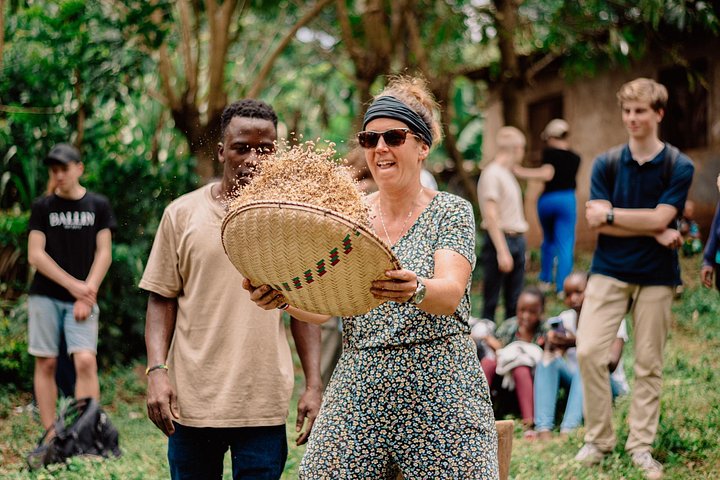
Table of Contents
What Is a Tanzania Cultural Safari?
A cultural safari combines classic wildlife viewing with hosted visits to local communities. Game drives and crater tours sit alongside coffee farms, craft workshops, and shared meals. Each stop is led by local people who explain their own way of life.
The route usually follows Tanzania’s famous northern circuit. That means Arusha, Tarangire National Park, the Ngorongoro Conservation Area, and the Serengeti National Park. Communities live close to every one of these places, which is why a Tanzania Cultural Safari fits the northern circuit so well.
That is what makes a cultural safari so natural here. The people and the wildlife share the same landscape, and the stories are connected. You learn why the wildlife is still there and who helps protect it.
Why Choose a Tanzania Cultural Safari?
Wildlife shows you the natural side of Tanzania. A cultural safari shows you the human side. Together they give a far fuller picture of the country, which is the strength of a cultural safari.
Here is what a Tanzania Cultural Safari adds to a standard game-drive trip:
- Real connection. You meet people instead of simply driving past their homes.
- Local income. Visit fees and purchases support families and community projects.
- Better context. You understand how farming, grazing, and conservation fit together.
- More variety. Mornings on the savannah are balanced by afternoons of hands-on activity.
- Stronger memories. Many travelers say a cultural safari stays with them longest.
If you are curious how this compares with a wildlife-only trip, see our Big Five & Wildlife Safaris. For a wider look at the idea, read our Culture, Coffee & Community Experiences page. A cultural safari simply adds a second layer to what you already came to see.
7 Community Visits on a Tanzania Cultural Safari
These seven visits give a cultural safari its character. The first five come from our 7-day itinerary, where they are listed as possible activities. The last two are common stops that your guide can confirm for your dates.
1. Arusha Coffee Farm Experience
Your Tanzania Cultural Safari begins in Arusha with a coffee experience. Northern Tanzania grows coffee on the volcanic slopes around Mount Meru and Kilimanjaro. You learn how the crop is grown, harvested, and processed.
You also hear how coffee supports local families. Understanding that story changes how you taste the cup, which is the whole idea behind a cultural safari.
This is a gentle first day of a cultural safari after a long flight. A cultural safari needs no hiking and no early start on day one. It is also a lovely way to open a Tanzania Cultural Safari before the parks begin.
If coffee is your passion, read our guide to culture and coffee experiences.
2. Maasai Cultural Interaction
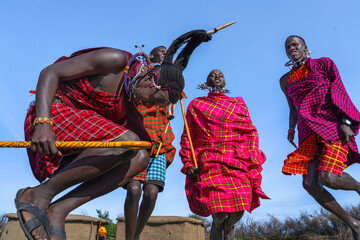
The Maasai are semi-nomadic pastoralists, and cattle sit at the center of their culture. Families live in homesteads known as bomas, enclosed by thorn fences. Many communities live near Tarangire and around Ngorongoro, so a Maasai visit fits almost any safari.
A Maasai visit on a cultural safari is hosted by the community itself. Hosts on a cultural safari explain daily routines, livestock care, and traditional dress.
Ask questions and listen to the answers. The best visits feel like a conversation, not a performance. That respect is what separates a good Tanzania Cultural Safari from a quick photo stop.
3. Traditional Crafts and Beadwork
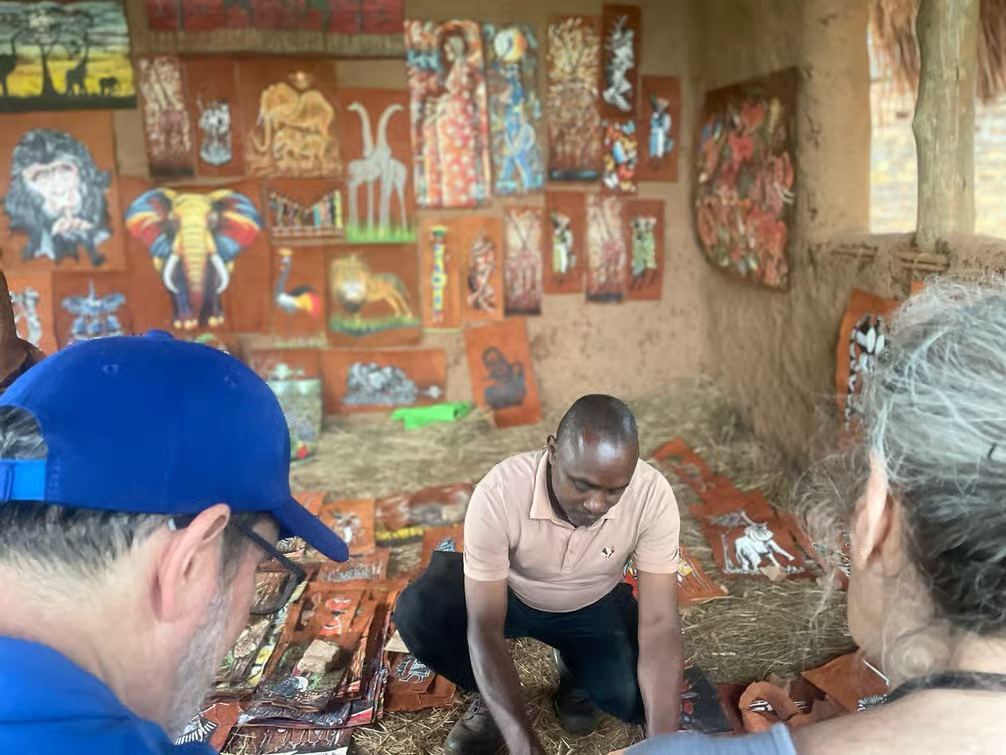
Beadwork is one of the most recognizable arts on a cultural safari. Women make necklaces, bracelets, and decorated collars by hand.
On our itinerary, traditional crafts can be part of the community stop near Tarangire. You can watch the work, ask how a piece is made, and try a few beads yourself. Buying directly from the maker keeps the money in the community, a principle every good safari follows.
This visit is easy and relaxed. It suits every age, which makes it ideal for a family safari. See our family tours for more trips that work well with children.
4. Local Food and Cooking
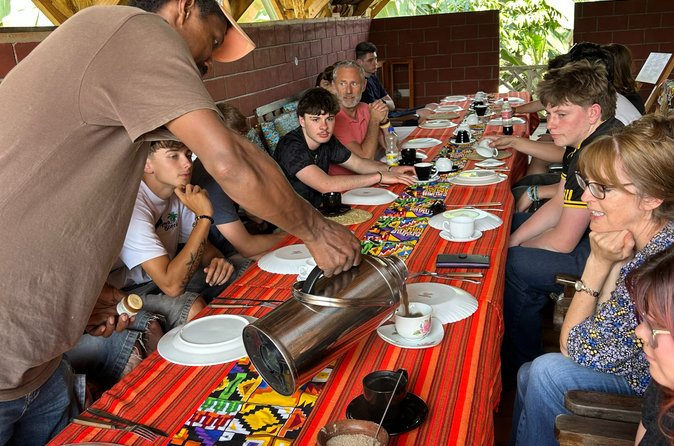
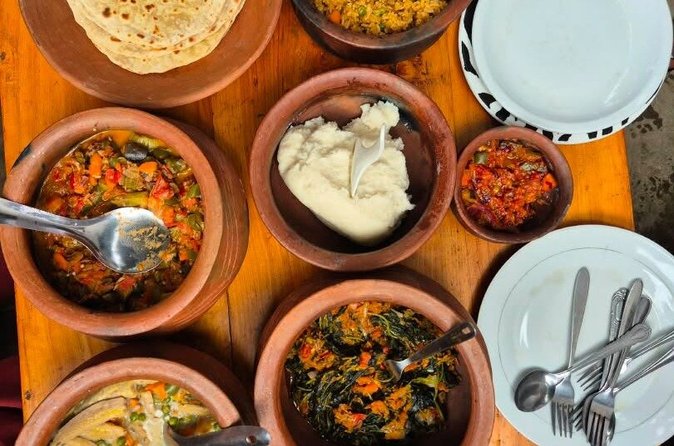
Food is one of the easiest ways to understand a place on a Tanzania Cultural Safari. Tanzanian meals often feature ugali, a stiff maize porridge, served with stews, greens, and grilled meat.
A food stop on a cultural safari lets you taste local dishes at the source. Hosts may show you how a meal is prepared and why certain ingredients matter. It is a very human way to learn about daily life on a cultural safari.
Good food planning keeps a cultural safari comfortable for everyone.
5. Community Conservation Discussion
On a Tanzania Cultural Safari, you learn that wildlife does not stay inside park boundaries. Around Tarangire, elephants and other animals roam through land used by people. Local families live with that reality every day.
A conservation discussion on a cultural safari explains how that works. You hear how communities protect wildlife, handle conflict, and benefit from tourism. It turns a game drive into something deeper than a checklist of animals.
That connection is the heart of a cultural safari.
6. Mto wa Mbu Village Walk
Mto wa Mbu is a lively village beside Lake Manyara, on the road toward Ngorongoro. It is a favorite stop on a cultural safari. A community-run cultural tourism programme operates there. It is known for its mix of cultures, with about 120 ethnic groups reported living in the area.
Typical activities include village walks, bike tours, and traditional meals cooked by local women’s groups. Visitors can also meet craft makers and, in some cases, Maasai host families. Published information says a small development fee from each tourist helps fund local schools, health centers, and irrigation.
This stop is a popular choice for a Tanzania Cultural Safari travelling between Tarangire and Ngorongoro. It is not named in our itinerary, so ask your guide whether it fits your route. Our Lake Manyara National Park page shows how it sits on the circuit.
7. Ngorongoro Living Heritage
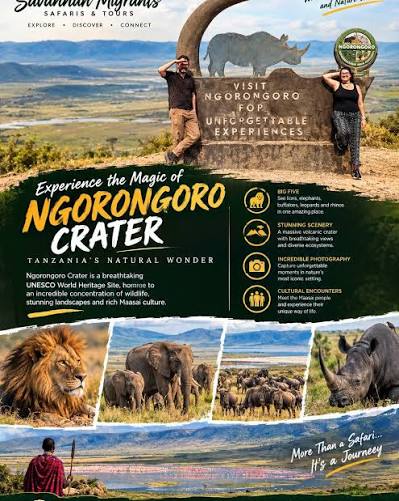
The Ngorongoro Conservation Area is a rare place where people and wildlife share the same protected land. It was inscribed as a UNESCO World Heritage Site in 1979. In 2010 it was recognized as a mixed site, partly because of its human history, which a cultural safari brings to life.
That history is centered on Olduvai Gorge, a prehistoric site about 50 kilometers long. Excavations by Mary and Louis Leakey in the 1950s helped shape our understanding of early human evolution. Olduvai lies within the conservation area, on the way between the crater and the Serengeti.
On our itinerary, the full-day crater safari includes interpretation of the area’s conservation and human heritage. Maasai communities also live within the conservation area, and their land use is part of the story. This is where a cultural safari becomes truly thoughtful.
Read more about the crater on our Ngorongoro Conservation Area page. Ask whether an Olduvai stop can be added to your safari.
Optional Add-Ons and Extensions
Some experiences are not part of our standard Tanzania Cultural Safari itinerary. They can be arranged as extras, and additional cultural activities are priced separately. Here are three that many travelers ask about.
The Hadzabe and Datoga at Lake Eyasi. Lake Eyasi sits at the southwestern edge of the Ngorongoro Conservation Area. The Hadzabe are among the last hunter-gatherer communities in East Africa.
Visits usually start very early, often around 5:00 a.m. A local guide leads you to the group, where you may follow the men or join the women gathering plants. Hunting is part of daily life and is not staged, so this visit is not for everyone.
The nearby Datoga are livestock keepers and skilled ironworkers. Please note that our standard itinerary does not include this visit.
Zanzibar’s Stone Town and spice farms. Stone Town is a UNESCO World Heritage Site with Swahili, Arab, and Indian influences. Spice tours show how cloves, cinnamon, and vanilla are grown. Our 10-day Tanzania Safari & Zanzibar Luxury Escape combines safari and island culture.
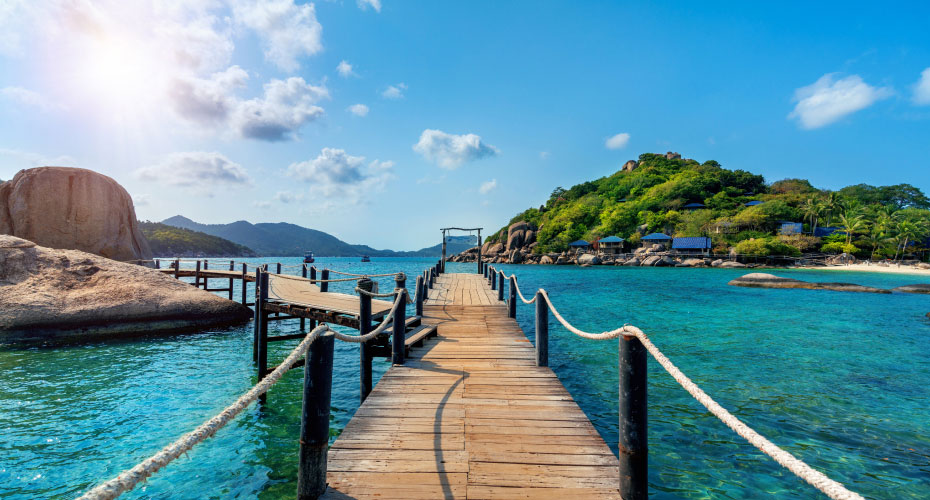
A beach finish. Adding sea and sand after a cultural safari is a popular choice. See our beach experiences and Safari, Adventure & Beach Experiences. It balances an active safari with a few quiet days.
Sample 7-Day Tanzania Cultural Safari Itinerary
Here is how our 7-day Tanzania Cultural Safari flows. Exact stops and lodges for your safari are confirmed when you book.
- Day 1: Arusha and coffee. Private airport pickup, then a coffee experience covering growing, harvesting, and processing.
- Day 2: Arusha to Tarangire. Drive to Tarangire for an afternoon game drive.
- Day 3: Tarangire and community. A morning game drive, then an afternoon community experience that may include Maasai interaction, crafts, food, and a conservation talk.
- Day 4: Drive to Ngorongoro. A community stop along the way, then arrival at your lodge.
- Day 5: Ngorongoro Crater. A full-day crater safari with interpretation of conservation and human heritage.
- Day 6: Drive to the Serengeti. A game drive en route to your Serengeti lodge.
- Day 7: Serengeti to Arusha. A morning wildlife experience, then return by road or domestic flight.
Prefer wildlife over a cultural safari? Compare it with our 6-day Tanzania Classic Safari or 8-day Tanzania Big Five & Wildlife Safari. If the wildebeest matter most, see the 7-day Tanzania Great Migration Safari.
Cultural Safari vs a Classic Safari
Many travelers ask how a cultural safari differs from a classic game-drive trip. The parks are the same, but the daily rhythm of a Tanzania Cultural Safari changes. A cultural safari trades a few extra game drives for hosted community time.
A classic safari maximizes hours with wildlife. See our wildlife safaris if that sounds like you.
A cultural safari balances those hours with slower, more personal moments. You still enjoy the Serengeti and the crater, and you gain context and conversation. Many travelers find a cultural safari more memorable because of that balance.
If the wildebeest are your priority, our Great Migration & Wildlife Spectacles page explains the timing. You can also see how we pair the migration with primates in Gorilla Trekking & Great Migration. Either way, a Tanzania Cultural Safari can include more or fewer wildlife days.
How Much Does a Tanzania Cultural Safari Cost?
Our 7-day Tanzania Cultural Safari starts from US$4,450. Please confirm with us whether the price applies per person or per group before you book. The cost of a cultural safari depends on group size, accommodation level, and the season.
The package includes:
- A private 4×4 vehicle and professional safari guide
- Six nights’ accommodation on a full-board basis
- Game drives
- Park fees for Tarangire, Ngorongoro, and Serengeti, plus Ngorongoro crater vehicle charges
- The coffee experience and community experience
- Airport transfers, drinking water, and taxes
It does not include:
- International flights
- Visas and travel insurance
- Tips and personal expenses
- Optional activities such as a balloon safari
- Additional cultural activities, such as Lake Eyasi
A cultural safari costs more than a basic camping trip. You are paying for private guiding, quality lodges, and carefully hosted community time. Compare each Tanzania Cultural Safari quotation by its inclusions, not just the headline price.
Best Time to Go
Cultural visits can usually happen in any month. Wildlife viewing is what changes most with the seasons. That makes timing a cultural safari mostly a question of wildlife and weather.
The dry seasons are generally the easiest for travel. These run roughly from June to October and from January to February. Roads are firmer for a cultural safari, and animals gather near water.
The long rains fall from about March to May.
If you want to see coffee at harvest, ask when the local season peaks. We plan a Tanzania Cultural Safari around your priorities rather than one fixed month.
Responsible Travel Tips
Communities are hosts, not attractions, on any safari. Respect is what makes a cultural safari good for everyone. A few simple habits go a long way.
- Ask permission before photographing people
- Dress modestly in villages and homesteads
- Listen more than you speak
- Buy crafts directly from the makers
- Avoid handing out sweets or money to children
- Support community-led visits that share benefits openly
It also helps to understand the wider picture. Maasai communities in the Ngorongoro area live with long-running debates over land use and resettlement.
A responsible safari leaves hosts better off than before.
What to Pack
Packing for a Tanzania Cultural Safari covers both wildlife and village visits. Consider these essentials:
- Neutral-colored clothing for game drives
- Modest, comfortable clothing for community stops
- Closed walking shoes for dusty paths and farm visits
- A warm layer for cool mornings in Ngorongoro, which sits at high altitude
- Sun protection and insect repellent
- A camera and binoculars
- Small notes of local currency for crafts and tips
- A refillable water bottle
Pack light for your safari, since you will move between lodges. Good packing keeps a cultural safari comfortable.
Tips for a Smooth Trip
A few simple habits keep a cultural safari running smoothly.
- Book early, since dry-season lodges fill quickly
- Share dietary needs before you travel
- Stay flexible, as community visits depend on local schedules
- Allow rest time between long drives and activities
- Ask your guide about the story behind each stop
These habits matter on any Tanzania Cultural Safari. Most surprises on a cultural safari come from rushing, not from the activities themselves. Our Tanzania National Parks page shows how the parks connect, which helps with pacing.
A note on pacing. Northern Tanzania involves long drives between parks. Roads are scenic, but days can feel full. Build in a slow morning when you can.
A note on tipping and cash. Tips for guides, drivers, and lodge staff are not included in the package. Carry small notes in local currency for crafts and community visits. Ask your guide what is customary before you travel.
A note on photography. Always ask before photographing people, especially children. A friendly greeting and a few words of Swahili help a lot. “Asante” means thank you, and it is always welcome.
Who Is This Safari For?
A cultural safari suits curious travelers of almost every kind. First-time visitors enjoy the variety of a cultural safari. Repeat visitors enjoy a fresh angle on familiar parks.
Families can join most Tanzania Cultural Safari activities, including crafts, food, and farm visits. Couples enjoy the slower, more personal pace of a cultural safari.
A cultural safari is less suited to travelers who want only wildlife. For that, a classic safari may fit better. You can also mix both ideas, since a cultural safari is easy to adjust.
If you are comparing countries, see our Best Africa Safari Circuits. For a similar idea in Uganda, read about our Uganda Culture and Adventure Safari. You can browse all cultural tours in one place.
Frequently Asked Questions
What is a Tanzania Cultural Safari? It is a safari that combines wildlife viewing with hosted visits to local communities.
Is a cultural safari safe? Yes, with a licensed guide and normal safari precautions, it is well suited to most travelers.
Can I add the Hadzabe or Zanzibar to a cultural safari? Yes, both can be arranged as extras, though they are not part of the standard itinerary.
Is a cultural safari suitable for children? Yes, most community activities work well for children, especially crafts, food, and farm visits.
Do I need to book a Tanzania Cultural Safari far ahead? Yes, especially for the dry seasons, when lodges fill early.
Plan Your Tanzania Cultural Safari
A cultural safari gives you lions and elephants, and it gives you people and stories. From a coffee farm in Arusha to a Maasai homestead near Tarangire, each stop adds meaning to the wildlife you see. Good planning keeps a cultural safari respectful and rewarding.
Ready to plan your own Tanzania Cultural Safari? Speak with Nabigaga Tours & Travel to build a journey around your dates, interests, and budget.
Contact us now to get a free quote













[…] are possible near the crater gates. Choose a respectful, community-run experience. Our post on a Tanzania cultural safari shows how to do this […]