
Ngorongoro Crater Safari
The Ngorongoro Conservation Area is one of Tanzania’s most remarkable wildlife destinations, combining the famous Ngorongoro Crater with volcanic landscapes, wildlife, archaeology, and cultural experiences.
It is important to note that Ngorongoro is not a national park. The area is managed by the Ngorongoro Conservation Area Authority (NCAA).
The Conservation Area covers approximately 8,292 square kilometres and includes the Ngorongoro Crater, Empakai Crater, Olmoti Crater, Olduvai Gorge, Ndutu Plains and other important landscapes and attractions.
Sights

Info
Why Visit Ngorongoro?
A Ngorongoro safari offers an unusual combination of:
- Big Five wildlife
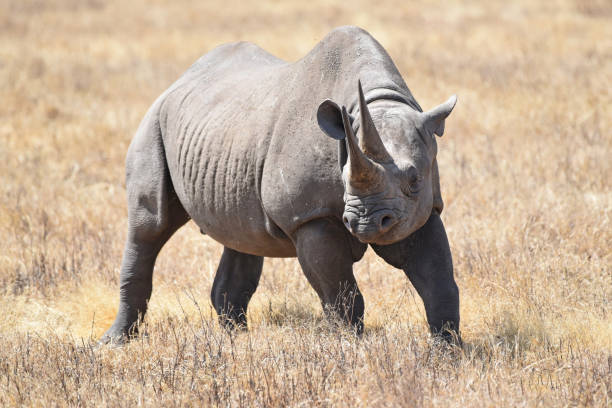
- Black rhinoceros
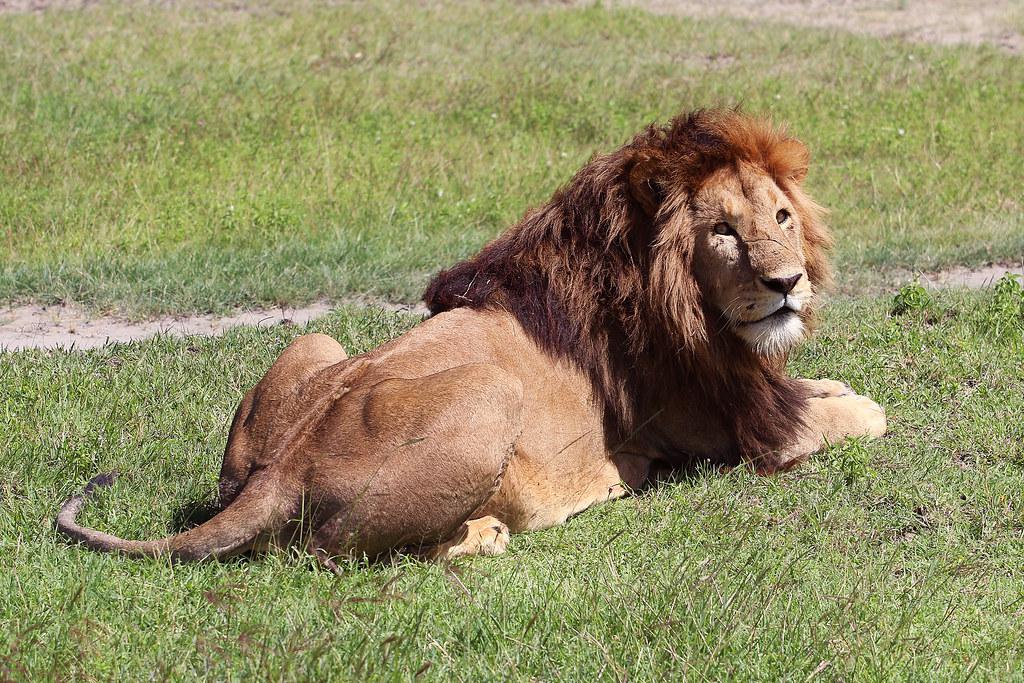
- Lions
- Elephants
- Buffaloes
- Wildebeest
- Zebra
- Hippos
- Volcanic scenery
- Crater landscapes
- Birdwatching
- Maasai cultural experiences
- Olduvai Gorge
- Walking safaris
- Archaeological sites
This makes Ngorongoro particularly suitable for travellers who want wildlife alongside natural and cultural history.
Ngorongoro Crater
The Ngorongoro Crater is the centrepiece of the Conservation Area.
NCAA describes it as the world’s largest intact and unfilled volcanic caldera, measuring approximately 16 kilometres across with crater walls rising more than 600 metres.
The crater floor contains grasslands, wetlands, woodland and Lake Magadi, creating habitat for a large concentration of wildlife.
A typical crater safari begins with a descent from the highlands into the crater, followed by game drives across the crater floor.
Big Five Safari in Ngorongoro
Ngorongoro is one of Tanzania’s strongest destinations for travellers interested in the Big Five.
Wildlife recorded within the crater includes:
- Elephant
- Lion
- Leopard
- Buffalo
- Black rhinoceros
NCAA specifically identifies the crater as an important location for viewing the endangered black rhinoceros.
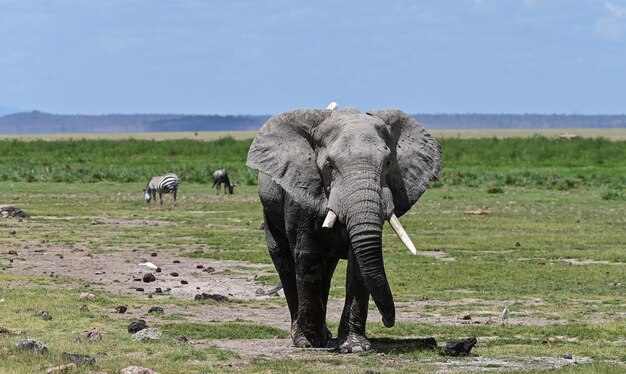
Other wildlife includes wildebeest, zebra, gazelles, hyenas, hippos and jackals.
Black Rhino in Ngorongoro
The black rhinoceros is one of the most significant wildlife attractions in the crater.
Sightings are never guaranteed, but Ngorongoro provides one of the important opportunities in Tanzania to look for this endangered species.
For wildlife photographers, a private safari vehicle and experienced guide can make it easier to spend time observing wildlife while following the area’s regulations.
Ngorongoro Wildlife
The crater’s compact ecosystem supports a remarkable concentration of animals.
NCAA records large populations of wildebeest, zebra and buffalo on the crater floor, together with predators including lions and spotted hyenas.
The crater is particularly impressive because predators and herbivores can often be observed within the same landscape.
Ngorongoro Crater Safari from Arusha
Ngorongoro is commonly included in Northern Tanzania itineraries beginning in Arusha.
A short itinerary can combine:
Arusha → Tarangire → Ngorongoro → Arusha
A longer safari can continue into Serengeti:
Arusha → Tarangire → Ngorongoro → Serengeti
This second option allows travellers to experience both the concentrated wildlife environment of Ngorongoro and the vast plains of Serengeti.
Ngorongoro and Serengeti Safari
Combining Ngorongoro and Serengeti is one of the most effective ways to experience northern Tanzania.
Serengeti is famous for its enormous plains, predators and migration, while Ngorongoro offers a spectacular crater environment with a high concentration of wildlife.
The two destinations complement rather than duplicate each other.
Ngorongoro Cultural Experiences
The Conservation Area is also home to communities whose lives are closely connected with the landscape.
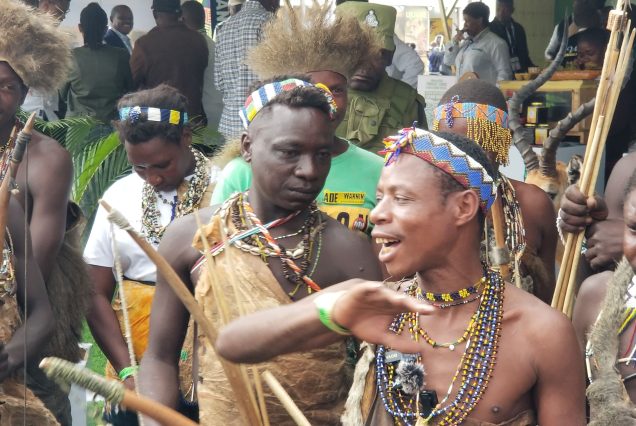
NCAA offers cultural and walking experiences that can include encounters involving Maasai, Datoga and Hadzabe communities, subject to the relevant arrangements and permissions.
Cultural experiences should always be conducted respectfully and through appropriate community-based arrangements.
Olduvai Gorge
Ngorongoro is also important for travellers interested in human evolution and archaeology.
Olduvai Gorge is one of the major archaeological attractions within the Conservation Area. NCAA lists Olduvai Gorge, the New Olduvai Gorge Museum and other archaeological and palaeontological sites among the area’s attractions.
This makes Ngorongoro particularly suitable for travellers who want their safari to include more than wildlife.
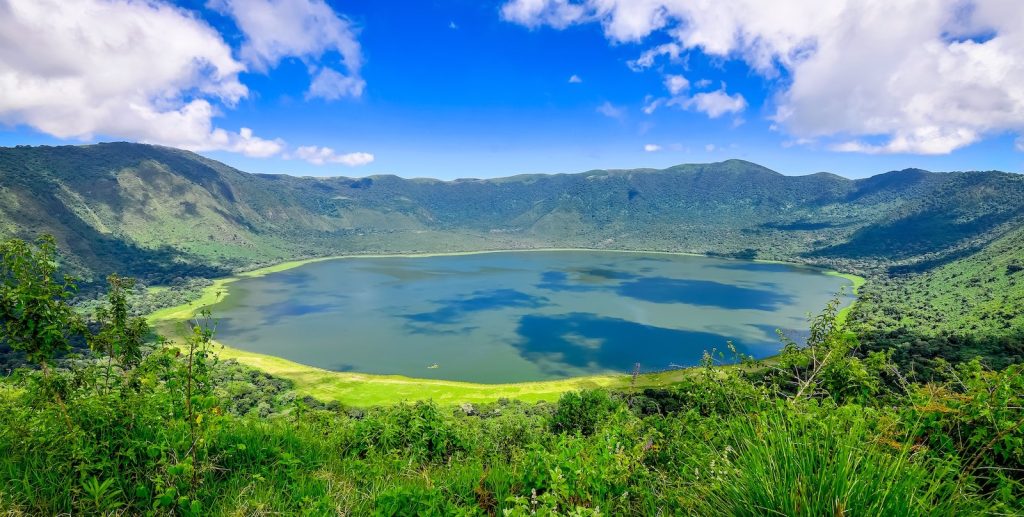
Empakai and Olmoti Craters
The Conservation Area contains several volcanic features beyond Ngorongoro Crater.
Empakai and Olmoti provide opportunities for walking and hiking experiences, while the surrounding highlands offer a very different environment from the crater floor.
NCAA lists guided walking experiences around Empakai, Olmoti, Mount Makarot, Mount Lolmalasin, Olduvai Gorge and other locations.
Birdwatching in Ngorongoro
Ngorongoro is also an important destination for birdwatchers.
NCAA records more than 550 bird species within the Conservation Area, including resident and migratory species.
Lake Magadi in the crater can attract flamingos and other waterbirds, while forests, grasslands and wetlands support a wide variety of additional species.
Photography Safari in Ngorongoro
The diversity of the Conservation Area makes it particularly attractive to photographers.
You can photograph:
- Wildlife
- Volcanic landscapes
- Crater scenery
- Highland forests
- Grasslands
- Birdlife
- Cultural landscapes
- Archaeological sites
NCAA notes that off-road driving is prohibited, making it important to work with an experienced guide who understands how to position the vehicle while respecting park regulations.
How Many Days Do You Need in Ngorongoro?
A crater game drive can be incorporated into a short Northern Tanzania safari.
However, travellers interested in walking, cultural experiences, Olduvai Gorge or other attractions should consider spending additional time in the Conservation Area.
A single crater day is ideal for travellers with limited time.
Two or more nights provide greater flexibility.
Best Time to Visit Ngorongoro
Ngorongoro can be visited throughout the year.
NCAA states that the Conservation Area can be visited all year, including during the rainy season.
The best period for your trip depends on your priorities, including wildlife viewing, photography, birdwatching, scenery and cultural experiences.
Ngorongoro Conservation Area FAQs
Is Ngorongoro a national park?
No. Ngorongoro is a Conservation Area managed by the Ngorongoro Conservation Area Authority.
Is Ngorongoro Crater worth visiting?
Yes. The crater combines concentrated wildlife, spectacular volcanic scenery and opportunities to see the Big Five.
Can I see black rhino in Ngorongoro?
The crater is an important location for looking for endangered black rhinos, although sightings cannot be guaranteed.
Can Ngorongoro be combined with Serengeti?
Yes. It is one of the most popular Northern Tanzania safari combinations.
Can I visit Ngorongoro from Arusha?
Yes. It is commonly incorporated into Northern Circuit safari itineraries.
Plan Your Ngorongoro Safari
Whether your priority is Big Five wildlife, black rhino, photography, archaeology, cultural experiences or a classic Serengeti and Ngorongoro safari, Nabigaga Tours & Travels can create a private itinerary around your travel plans.
Contact us to plan your Ngorongoro Crater safari.