
Lake Nakuru National Park Safari
Set around the beautiful alkaline waters of Lake Nakuru, Lake Nakuru National Park is one of Kenya’s most accessible and rewarding wildlife destinations.
The park combines lake scenery, grasslands, acacia woodland, rocky escarpments and wildlife habitats within approximately 188 square kilometres.
It is particularly famous for black and white rhinos, birdlife and spectacular Rift Valley scenery.
Sights
Info
Why Visit Lake Nakuru National Park?
Lake Nakuru is ideal for travellers looking for:
- Rhino safaris
- Black rhinos
- White rhinos
- Flamingos
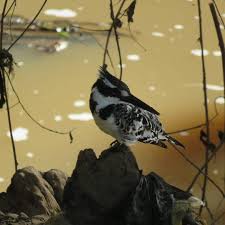
- Birdwatching
- Lions
- Giraffes
- Short Kenya safaris
- Lake Nakuru and Maasai Mara safaris
- Photography
- Rift Valley landscapes
Lake Nakuru Rhino Safari
One of the strongest reasons to visit Lake Nakuru is its importance as a rhino sanctuary.
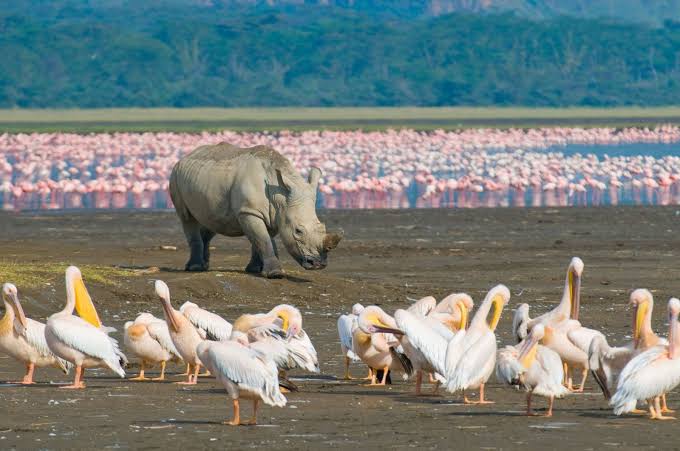
KWS identifies Lake Nakuru as Kenya’s first government-managed rhino sanctuary and notes that the park supports both black and white rhinos.
For travellers specifically interested in rhinoceroses, Lake Nakuru deserves serious consideration when planning a Kenya safari.
Black and White Rhinos
The opportunity to encounter both black and white rhinoceroses makes Lake Nakuru particularly attractive to wildlife enthusiasts.
Game drives through the park can reveal rhinos grazing in open areas or moving through woodland.
Sightings are not guaranteed, but the park’s conservation role makes rhino viewing one of its central attractions.
Lake Nakuru Flamingos
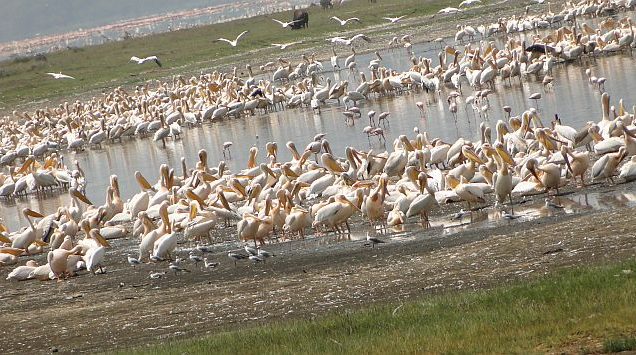
Lake Nakuru is internationally associated with flamingos and waterbirds.
The lake’s ecological conditions change over time, so flamingo numbers and concentrations are seasonal and variable.
The wider park nevertheless remains an excellent birdwatching destination, with approximately 450 recorded bird species.
Lake Nakuru Wildlife
In addition to rhinos and birds, the park supports:
- Lions
- Leopards
- Buffaloes
- Giraffes
- Zebras
- Waterbuck
- Warthogs
- Baboons
- Antelope
- Other smaller mammals
The combination of woodland, grassland, rocky terrain, and lake habitat creates a surprisingly diverse wildlife environment.
Lake Nakuru Birdwatching Safari
Birdwatchers can explore different habitats around the lake and surrounding park.
Potential sightings include:
- Flamingos
- Pelicans
- Herons
- Storks
- Fish eagles
- Raptors
- Waterbirds
- Forest and woodland species
The park’s approximately 450 recorded species make it one of Kenya’s important birding destinations.
Makalia Waterfalls
Makalia Waterfalls is another attraction within the park.
The falls provide a scenic stop during a game drive and add another dimension to a safari that is otherwise focused on wildlife and the lake.
Lake Nakuru Viewpoints
The park’s elevated areas provide opportunities to look across the lake and surrounding Rift Valley landscapes.
These viewpoints are particularly valuable for photographers looking for landscape images in addition to wildlife.
Lake Nakuru from Nairobi
Lake Nakuru is approximately 156 kilometres northwest of Nairobi and can be reached by road using the Nairobi–Nakuru highway. KWS identifies Lanet Gate, Nderit Gate and the Main Gate as access points.
This makes it practical to incorporate into a longer Kenya safari.
Lake Nakuru and Maasai Mara Safari
One of the strongest combinations is:
Nairobi → Lake Nakuru → Maasai Mara
This allows travellers to experience rhinos and Rift Valley scenery before continuing to the Mara for its big cats, open savannah, and migration ecosystem.
Lake Nakuru and Amboseli Safari
Travellers interested in both rhinos and elephants can combine:
Nairobi → Amboseli → Lake Nakuru → Maasai Mara
This creates a diverse Kenya itinerary covering very different ecosystems.
Lake Nakuru and Lake Naivasha
Travellers with additional time can combine Lake Nakuru with Lake Naivasha.
This allows for a broader Rift Valley experience before continuing towards the Maasai Mara.
Lake Nakuru for Photography
The park is particularly rewarding for photographers interested in:
- Rhinos
- Flamingos
- Giraffes
- Lions
- Lake landscapes
- Rift Valley escarpments
- Birdlife
- Sunrises and sunsets
The changing relationship between the lake, sky and surrounding escarpment creates excellent landscape compositions.
Best Time to Visit Lake Nakuru
Lake Nakuru can be visited throughout the year.
The best timing depends on your priorities, particularly wildlife viewing, birdwatching and how you want to connect the park with other Kenya destinations.
Because the lake environment changes seasonally, flamingo numbers should not be treated as guaranteed on any particular date.
How Many Days Do You Need?
One full day can provide a worthwhile Lake Nakuru safari.
An overnight stay allows a more relaxed game-viewing schedule and makes it easier to connect the park with other destinations.
Lake Nakuru National Park FAQs
What is Lake Nakuru National Park famous for?
The park is particularly famous for rhinos, birdlife, flamingos, and Rift Valley scenery.
Can I see rhinos in Lake Nakuru?
Yes. Lake Nakuru is a major rhino sanctuary supporting both black and white rhinos.
Are flamingos always at Lake Nakuru?
No. Flamingo numbers and distribution change with ecological conditions.
How far is Lake Nakuru from Nairobi?
KWS states that the park is approximately 156 km northwest of Nairobi.
Can Lake Nakuru be combined with Maasai Mara?
Yes. It is one of the strongest combinations for a Kenya safari.
Plan Your Lake Nakuru Safari
From a focused rhino safari to a longer Lake Nakuru and Maasai Mara itinerary, Nabigaga Tours & Travels can create a private Kenya safari around your wildlife priorities.
Contact us to plan your Lake Nakuru National Park safari.