A good East Africa Safari Packing List keeps you comfortable, safe, and ready for every moment. You may start the day in a cold jacket and finish it in a sun hat. You may track gorillas in mud one week and relax on a beach the next.
This guide gives you a clear checklist for Uganda, Kenya, Tanzania, and Rwanda. It explains what to bring, what to leave at home, and why each item matters. You can pair it with our East Africa Safari Itinerary to plan the whole trip.
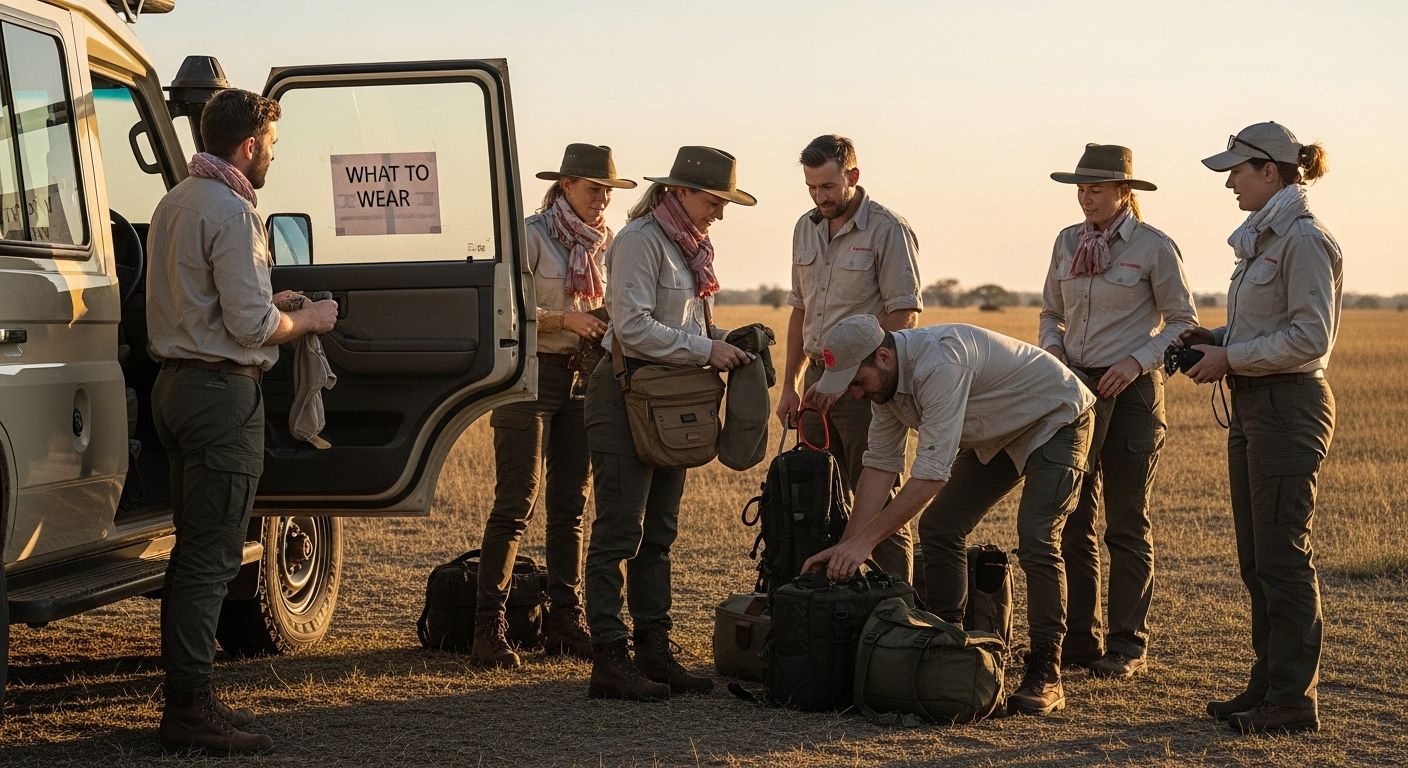
Table of Contents
Why Your East Africa Safari Packing List Matters
East Africa has several climates in one trip. Mornings on a game drive can be cold. Midday can be hot and dusty.
Forests are damp, savannahs are dry, and beaches are humid and bright. A smart East Africa Safari Packing List prepares you for all of it.
Packing well also protects your plans. Small planes have strict baggage rules, and bad shoes can ruin a good day. That is why this East Africa Safari Packing List focuses on practical choices.
Documents and Money
Start with your documents. They matter more than any piece of gear.
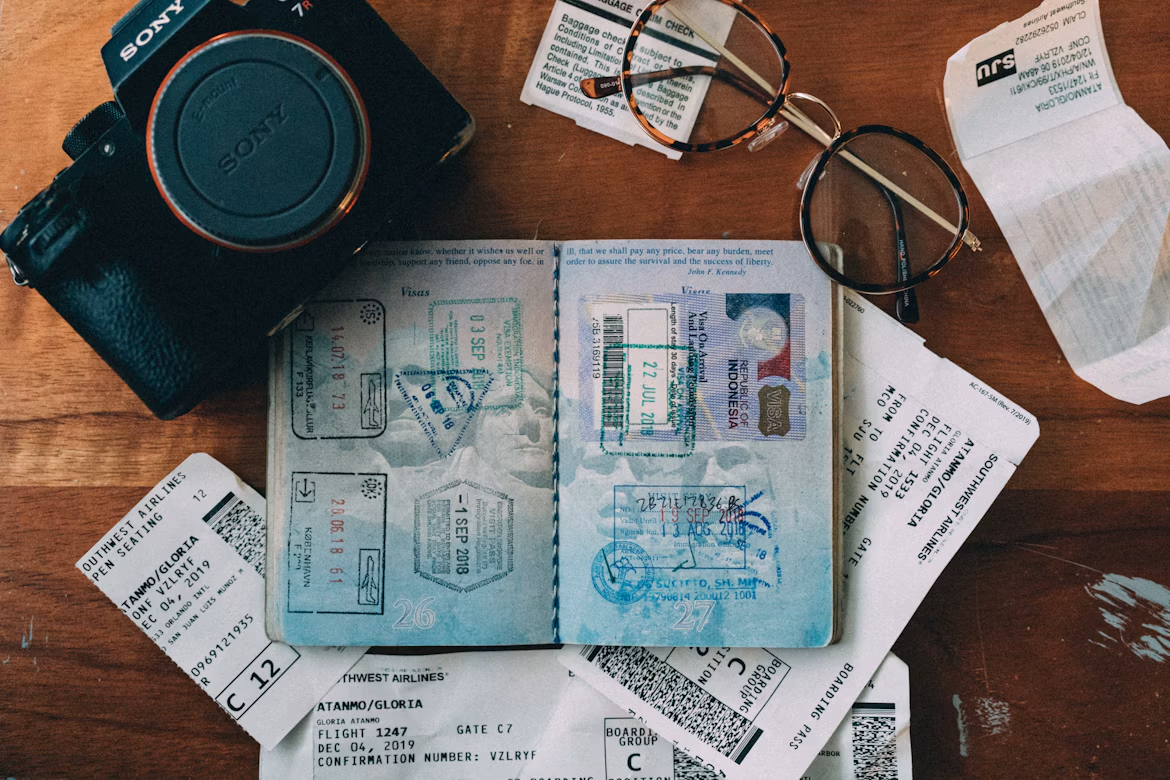
- Passport. Make sure it has at least six months of validity and a blank page.
- Visa or eTA. Check the rules for each country you will visit.
- Yellow fever certificate. Carry your vaccination card, since some countries ask to see it on arrival.
- Travel insurance. Keep a printed and digital copy.
- Permits. Gorilla and chimp permits are usually handled by your operator.
Keep copies in a separate bag. Take photos of your documents and save them to your phone.
Bring cash for tips and small purchases. Small, clean bills in US dollars are widely useful, and shops often refuse old or torn notes. Cards work at many lodges, but cash is helpful in villages and markets.
Our Bwindi Gorilla Trekking Permits guide explains what to expect with permits. Always follow current entry rules for each country. Rules can change, so check official sources before you travel.
Safari Clothing
Clothing is the largest part of any East Africa Safari Packing List. The right choices keep you cool, protected, and comfortable. Think light, layered, and neutral.
Colors to Choose and Avoid
Neutral colors work best. Khaki, olive, beige, tan, and muted brown are all good choices. They hide dust and blend into the landscape.
Avoid dark blue and black. Tsetse flies are attracted to those colors. Avoid bright white too, since it shows dust.
Leave camouflage at home. Some countries restrict it, including Uganda, and Tanzania discourages it for visitors. It is simply not worth the risk.
Choose loose, mid-weight fabrics, since tsetse flies can bite through thin, tight clothing.
The Three-Layer System
Mornings in the highlands can be as cool as 10°C or less. Midday can reach 30°C or more. Layers let you adapt without stopping.
- Base layer. A breathable long-sleeve shirt in synthetic or merino fabric.
- Mid layer. A fleece or softshell jacket for cold dawn drives.
- Outer layer. A light, windproof, water-resistant shell.
Avoid cotton as a base layer, since it holds sweat and dries slowly.
Clothing Checklist
For a typical week, pack these basics:
- 3 long-sleeve shirts and 2 short-sleeve shirts
- 2 pairs of lightweight trousers
- 1 pair of shorts for lodge time
- 1 fleece or warm jacket
- 1 light rain jacket
- Underwear and socks for about six days
- Sleepwear
- 1 smart-casual outfit for dinners
Jeans are not ideal. They are heavy and slow to dry. Many lodges offer laundry service, so ask before you go. The next sections show how to scale this list up or down.
Footwear
Shoes can make or break a safari. Choose comfort and grip.
- Sturdy walking shoes. For uneven ground and short walks.
- Hiking boots. Strongly recommended for gorilla trekking and forest walks.
- Sandals or flip-flops. For lodge time and showers.
Break in new boots before you travel. Blisters are a common problem. Wear thick socks with hiking boots.
High heels and formal shoes are rarely useful. Pack them only if you have a special reason. Comfort comes first on any East Africa Safari Packing List.
Sun, Dust, and Insect Protection
The equatorial sun is strong. Dust gets everywhere on dry-season drives. Insects can be annoying and, in some areas, carry disease.
- Wide-brimmed hat. For shade on long drives.
- Sunglasses. Polarized lenses help with glare.
- Sunscreen. SPF 50 or higher is a good choice.
- Lip balm with SPF. Lips burn easily.
- Scarf or buff. For dust and sun on your neck.
- Insect repellent. Apply it at dawn and dusk.
- Long sleeves and trousers. Cover skin in the evening.
Some travelers treat clothing with permethrin at least 24 hours before packing, following the product instructions. It can help against mosquitoes and tsetse flies.
Gear and Electronics
Good gear improves your experience. It also adds weight, so be selective.
- Binoculars. An 8×42 or 10×42 pair is a good all-round choice.
- Camera and lenses. A medium telephoto helps with wildlife.
- Spare batteries and memory cards. Charging may be limited.
- Power bank. Useful at camps with limited electricity.
- Plug adapter. Uganda, Kenya, and Tanzania generally use the British type G plug.
- Phone and charger. Download offline maps first.
- Headlamp or small flashlight. Handy at night in camps.
- Dry bag or zip pouches. For dust and rain.
Rwanda uses a mix of plug types. Two-pin European plugs and British type G plugs are both common there. Bring a universal adapter if you visit several countries.
Most modern chargers handle 230V power. Check the label to be sure. Leave heated appliances at home, because many lodges provide hair dryers.
Health and Medicines
Health planning is part of every East Africa Safari Packing List. Speak to a travel clinic well before you go, ideally four to six weeks ahead. They will advise on vaccines and malaria prevention.
- Prescription medicines. Carry them in original packaging, with a copy of the prescription.
- Malaria precautions. Many safari areas are malaria zones, so ask your doctor.
- First-aid basics. Pain relief, stomach remedies, antihistamines, plasters, and blister care.
- Hand sanitizer and wipes. Useful on long drives.
Use a repellent with a proven active ingredient. Cream or roll-on versions are easier to apply than sprays. Apply it over sunscreen.
For official health guidance, see the CDC Travelers’ Health pages. Requirements change, so always check current advice. Never rely only on a packing list for medical decisions.
25 Essential Items for Your East Africa Safari Packing List
Here is a short, practical checklist you can print. It pulls together the key points from this guide.
- Passport and copies
- Visa or eTA confirmation
- Yellow fever card
- Travel insurance details
- Small US dollar bills
- Neutral long-sleeve shirts
- Lightweight trousers
- Warm fleece or jacket
- Light rain jacket
- Comfortable walking shoes
- Sandals
- Wide-brimmed hat
- Sunglasses
- Sunscreen and lip balm
- Insect repellent
- Scarf or buff
- Binoculars
- Camera and spare batteries
- Power bank and adapter
- Headlamp or flashlight
- Personal medicines
- Small first-aid kit
- Reusable water bottle
- Soft duffel bag
- Small daypack
Tick each item as you pack. This East Africa Safari Packing List works for most trips in the region, with extras for your route.
Extras for Gorilla and Chimp Trekking
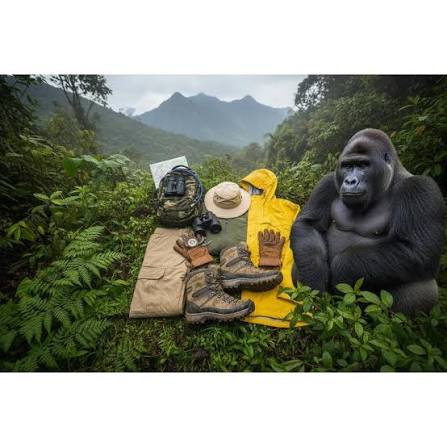
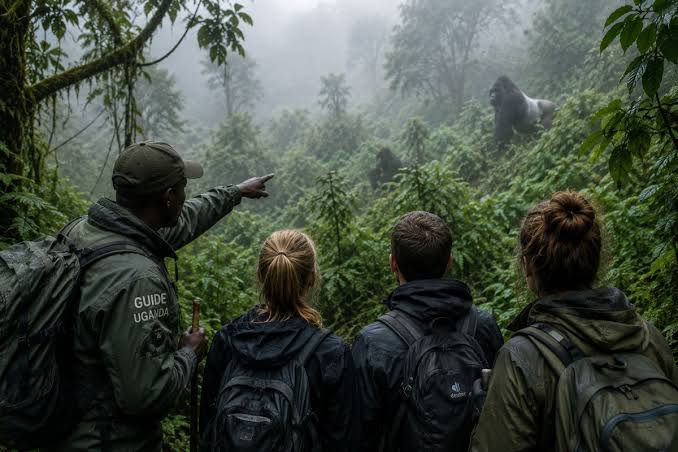
Primate treks are muddy, steep, and sometimes wet. They need a few extra items on your East Africa Safari Packing List.
- Sturdy hiking boots with good grip
- Gaiters to keep mud and insects out
- Gardening-style gloves for steadying yourself on vines
- Long trousers and long sleeves to protect against stinging plants
- A waterproof jacket for sudden rain
- A small daypack and a refillable bottle
- A face mask if your rangers ask for one
Porters are available at many sites. Hiring one helps local families and eases your climb.
See our Gorilla Trekking in Uganda guide for more detail. For Kibale, read about chimpanzee trekking in Kibale.
Extras for Beach Extensions
Many safaris end by the sea. Zanzibar and Diani are popular choices. Add a few extra items to your East Africa Safari Packing List for beach days.
- Swimwear and a light cover-up
- Reef-safe sunscreen
- Sandals or water shoes
- A light scarf or sarong for modesty in towns
- A waterproof bag for boat trips
Dress modestly in towns and villages. Beachwear is fine at resorts and on the beach. Respect local customs, especially in Muslim areas.
Our Beaches page shows trips that end by the sea. Our 8-day Kenya Safari & Diani Beach Escape is one example. Check your list against your beach plans before you finish packing.
Luggage and Small Plane Rules
Luggage rules can surprise first-time visitors. Small bush planes are strict about bags, so match your East Africa Safari Packing List to the limits. Always confirm them with your operator.
- Use a soft-sided duffel. Hard suitcases are often not accepted.
- Plan for about 15 kg. Some airlines allow slightly more.
- Keep your daypack light. It often counts toward the limit.
- Weigh your bag at home. Avoid surprises at the airstrip.
Some lodges and operators can store extra luggage. Ask whether you can leave a bag in Nairobi, Kigali, Arusha, or Entebbe.
Plastic bags need attention. Tanzania, for example, has banned single-use plastic bags since 2019. Use cloth or mesh bags instead.
What Not to Pack
Leaving things out is part of building a good East Africa Safari Packing List. It keeps your bag light and your trip simple.
- Camouflage clothing. Restricted in some countries.
- Black and dark blue clothes. They attract tsetse flies.
- Heavy jeans. They are bulky and slow to dry.
- Hard suitcases. They do not fit on small planes.
- Single-use plastic bags. They may be banned or confiscated.
- Too many shoes. Two or three pairs are enough.
- Drones. Rules are strict in parks and often need permits, so ask your operator first.
If in doubt, leave it out.
East Africa Safari Packing List by Season
Seasons change what you need. Use these notes to adjust your East Africa Safari Packing List.
Dry season (June to October, January to February). Pack a scarf for dust and a warm layer for cold mornings. A good hat matters more than a heavy jacket, though a light rain layer still earns its place.
Wet season (March to May, November to December). Pack a reliable rain jacket and quick-dry clothes. Waterproof your daypack, and bring a spare pair of socks.
Primate treks are possible all year. Rain gear is smart in forests at any time. Mud is common on trails, so bring good boots.
For timing ideas, see our Best Time to Visit East Africa guide. It shows how weather affects each month, so you can adjust your East Africa Safari Packing List.
Packing by Trip Length
A longer trip does not mean a bigger bag. Most lodges can wash clothes, so you only need enough for the stretch between laundry stops. Ask your operator which lodges offer laundry, since not all do.
| Trip length | Shirts | Trousers | Underwear and socks | Extras |
|---|---|---|---|---|
| 3 to 4 days | 3 in total | 1 to 2 pairs | 4 sets | 1 fleece, 1 rain jacket |
| 5 to 7 days | 5 in total | 2 pairs | 5 to 6 sets | Shorts and 1 dinner outfit |
| 8 to 10 days | 5 to 6 in total | 2 to 3 pairs | 6 to 7 sets | One laundry stop |
| 11 to 14 days | 6 in total | 3 pairs | 7 sets | Laundry every 4 to 5 days |
Footwear stays the same on every trip. One pair of walking shoes and one pair of sandals is enough, plus boots if you will trek.
Some things do grow with the days. Medicines, contact lenses, and chargers should cover the full trip plus two spare days.
Short trips (3 to 4 days). You may fit everything in a daypack and one small duffel. Skip the smart outfit and keep to one fleece.
Long trips (11 to 14 days). A good East Africa Safari Packing List stays near 15 kg even on a long trip. Repeat outfits, wash often, and keep a small laundry bag.
Packing by Travel Pace and Style
How fast you move matters as much as how long you stay. A trip with a new park every night needs a different bag from one with a long beach stay.
Fast-paced circuits. If you change lodges every one or two nights, keep your East Africa Safari Packing List tight. Use packing cubes, so you can find things without emptying the bag. Keep one daypack ready for each day’s drive.
Slower stays. If you spend three or more nights in one place, you can unpack and relax. You may add a book, a dinner outfit, and extra swimwear. Pack a little more, but keep the weight limit in mind.
Trekking-focused trips. Gorilla and chimp treks need boots, gaiters, gloves, and rain gear. Pack one spare dry outfit for after the trek. Bring a cloth bag for muddy boots and wet clothes.
Long driving days. Some transfers take most of a day, such as Kampala to Bwindi or Nairobi to Amboseli. Wear loose, comfortable clothes and keep water, snacks, and a light layer within reach. Add motion-sickness tablets if you are prone to them.
Fly-in safaris. Bush flights have strict luggage rules. Use a soft duffel and stay near 15 kg unless your operator confirms more. Ask if you can leave a bag at your hotel.
Safari plus beach. Divide your bag into two zones, one for bush and one for the coast. Pack beach items in a separate pouch, so you can reach them quickly. See our Tanzania Safaris and Kenya Safaris for combined routes.
Luxury and mid-range lodges. Most dress codes are relaxed and neat. A smart-casual outfit is enough, and formal clothes are rarely needed.
Packing for Each Country
Each country adds small adjustments to your East Africa Safari Packing List.
Uganda. Gorilla and chimp treks need boots, gloves, and rain gear. See our National Parks in Uganda guide for ideas.
Rwanda. Volcanoes National Park is cool and wet at altitude. Read about Volcanoes National Park before you pack.
Tanzania. Ngorongoro Crater is high and cool. Our Ngorongoro Conservation Area page shows what to expect.
Kenya. The Masai Mara and Amboseli are dusty and bright. See Masai Mara National Reserve for more.
Packing for Kids and Families
Children need a few extras, and planning ahead helps.
- Extra clothes. Kids get dirty fast.
- Hats and sunscreen. Their skin burns easily.
- Snacks, books, and games. They help on long drives.
- Child-sized binoculars. They keep young eyes engaged.
- Regular medicines. Pack enough for the whole trip.
Gorilla and chimp treks have minimum ages, so confirm them before you plan. See our family tours for ideas.
Tips for Smart Packing
A few habits make your East Africa Safari Packing List easier and your trip smoother.
- Lay everything out before you pack
- Roll clothes to save space
- Use packing cubes to keep your East Africa Safari Packing List organized
- Keep valuables in your carry-on
- Weigh your bag before you leave home
- Carry a small padlock for your duffel
- Pack earplugs for noisy camps and early mornings
- Bring zip bags and a cloth laundry bag
- Keep tissues and a small towel in your daypack
- Keep a spare copy of your East Africa Safari Packing List on your phone
Print your East Africa Safari Packing List and tick items off as they go in the bag. Mix and match clothing so every piece works together. Fewer, better items beat a huge pile of clothes, and a short East Africa Safari Packing List is easier to follow.
A note on tipping. Tips for guides, drivers, and lodge staff are not usually included in packages. Carry small bills in a separate pocket, and ask your guide what is customary.
Frequently Asked Questions
What should be on an East Africa Safari Packing List? Neutral layered clothing, sturdy shoes, sun protection, repellent, binoculars, medicines, and a soft duffel bag.
When should I start my East Africa Safari Packing List? Two to three weeks before departure is a good time, with a trial pack a week before you leave.
Does one East Africa Safari Packing List work for every country? Mostly yes, with small changes for forest treks, beach stays, and cold highlands.
What colors should I avoid on safari? Avoid black, dark blue, and bright white, and leave camouflage at home.
Can I bring a hard suitcase on a safari? Hard suitcases are often not accepted on small planes, so a soft duffel is safer.
How much luggage can I take on a small plane? Plan for about 15 kg per person unless your operator confirms otherwise.
What do I need for gorilla trekking? Hiking boots, gaiters, gloves, long trousers, a waterproof jacket, and a daypack.
Plan Your Trip With Confidence
A smart East Africa Safari Packing List removes stress and lets you enjoy the journey. Pack light, choose neutral colors, and prepare for changing weather. With the right gear, every game drive and trek becomes easier.
Ready to plan your trip beyond the packing list? Speak with Nabigaga Tours & Travel to build a journey around your dates, interests, and budget.
Contact us now to get a free quote













[…] For a longer list, read our East Africa safari packing list. […]
[…] Avoid loose items that can fall from the basket. For a longer list, read our East Africa safari packing list. […]
[…] for both. Our East Africa safari packing list works for either […]
[…] For a longer list, read our East Africa safari packing list. […]
[…] For a longer list, read our East Africa safari packing list. […]