
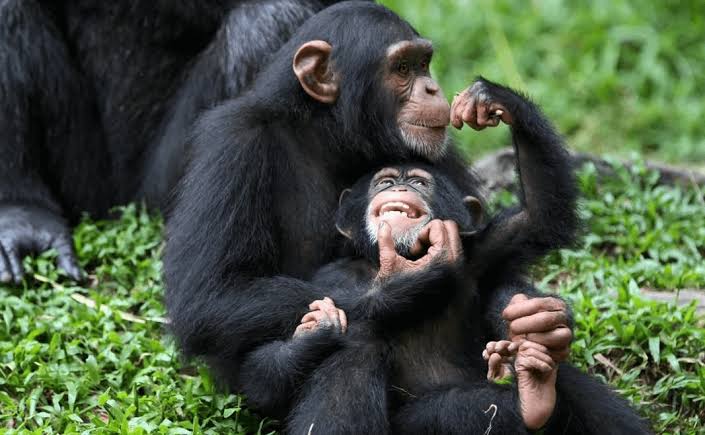
Chimpanzee Trekking in Kibale Forest National Park is one of the most rewarding wildlife encounters in Uganda. You walk through green rainforest, follow the calls of the forest, and spend an hour beside wild chimps. It costs far less than gorilla trekking, yet the thrill is just as real.
This complete guide covers everything you need to plan Chimpanzee Trekking in Kibale in 2026.
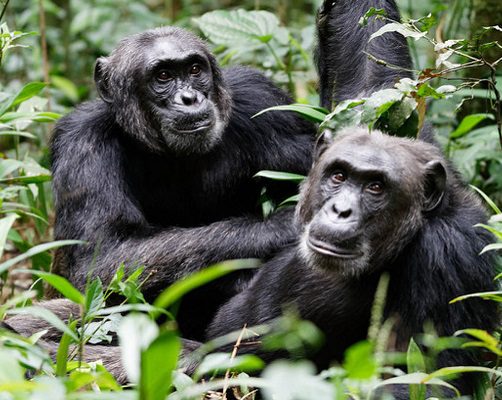
Table of Contents
What Is Chimpanzee Trekking in Kibale Forest National Park?
Chimpanzee Trekking in Kibale is a guided forest walk to find a habituated community of wild chimpanzees. Habituated means the animals have slowly grown used to human visitors. Rangers and trackers lead you to wherever the group is feeding or resting.
Once you find them, you spend one hour observing. Chimps may groom each other, feed in fig trees, or call loudly across the canopy. The energy of the group makes every trek feel different.
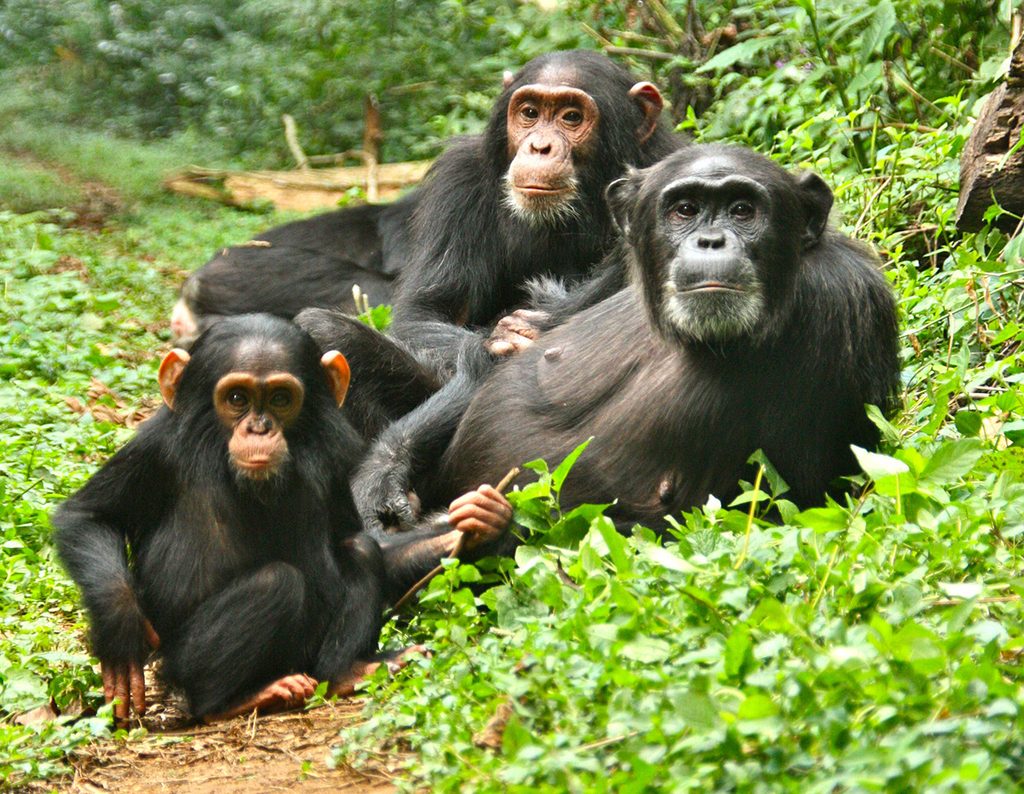
Kibale is often called the primate capital of East Africa. Its chimpanzee population is estimated at around 1,500, the largest in Uganda. That is why Chimpanzee Trekking in Kibale has a very high success rate.
Where Is Kibale Forest National Park?
Kibale Forest National Park lies in western Uganda, near the town of Fort Portal. It protects roughly 795 square kilometers of moist evergreen rainforest. The park became a national park in 1993.
The trekking starting point is Kanyanchu Visitor Centre. It sits about 26 to 35 kilometers from Fort Portal, depending on the route. That is roughly a 30 to 45 minute drive.
Kibale is also close to the Ndali-Kasenda crater lakes. These scenic lakes make a great addition to any itinerary. The area feels green, hilly, and peaceful.
7 Epic Secrets About Chimpanzee Trekking in Kibale
Most guides cover the basics. These seven secrets help you get more from Chimpanzee Trekking in Kibale.
1. The Chimp Communities Took Decades to Habituate
Habituation is slow work. Researchers and rangers spend years following a community until it accepts human presence. The Kanyantale community has been open to visitors daily since 1993.
That long history makes Chimpanzee Trekking in Kibale one of the most established chimp programs anywhere. The animals behave naturally even with visitors nearby. Your one hour feels calm and unforced.
2. Two Daily Sessions Give You Flexibility
Treks usually start at Kanyanchu at 8:00 a.m. and 2:00 p.m. Some sources also list an 11:00 a.m. departure, so confirm the schedule when booking. You arrive early for a briefing before each session.
The morning trek often finds chimps active and feeding. The afternoon trek is a good choice if you drive in that morning. Either way, Chimpanzee Trekking in Kibale rarely needs a full day.
3. Chimps Share the Forest With 12 Other Primates
Kibale hosts 13 primate species in total. That is one of the highest concentrations in East Africa. The chimpanzee is simply the star of the show.
You may also see red colobus, black-and-white colobus, and grey-cheeked mangabeys. L’Hoest’s monkeys, red-tailed monkeys, blue monkeys, and olive baboons are common too. Adding these sightings makes Chimpanzee Trekking in Kibale even more rewarding.
4. A Full-Day Habituation Experience Goes Deeper
Kibale also offers a chimpanzee habituation experience. It lets you spend most of the day with a semi-habituated group. You follow researchers as the animals wake, feed, and move.
The habituation permit costs about US$300 for foreign non-residents. That is more than a standard trek, but the time with the animals is far longer. It suits serious wildlife lovers who want more than Chimpanzee Trekking in Kibale offers in one hour.
5. Fruiting Trees Shape Every Trek
Chimps follow the food. When fig and other fruit trees are ripe, the group often gathers in one area. That can shorten your search and improve viewing.
When fruit is scarce, the group may travel farther. Treks can take longer, though sightings remain very likely. This is why timing matters in Chimpanzee Trekking in Kibale.
6. Bigodi Wetland Adds Birding and Community Impact
Bigodi Wetland Sanctuary sits just outside the park. A raised boardwalk winds through papyrus swamp and forest edge. More than 130 bird species have been recorded there.
The sanctuary is community-managed, so your fee supports local projects. Guided walks also reveal primates, including red colobus and L’Hoest’s monkeys. It pairs perfectly with Chimpanzee Trekking in Kibale on a two-night stay.
7. Night Walks Reveal a Different Forest
Guided night walks are also available in Kibale. They reveal nocturnal animals such as bushbabies and pottos. The forest sounds completely different after dark.
Night walks need a separate booking and a good torch. They add variety after a day of Chimpanzee Trekking in Kibale. Ask your operator whether they are available on your dates.
How Does Chimpanzee Trekking in Kibale Work?
The process is simple and well organized. Here is how a typical day of Chimpanzee Trekking in Kibale unfolds.
- Arrive at Kanyanchu Visitor Centre for a briefing on the rules.
- Get assigned to a small group and a ranger guide.
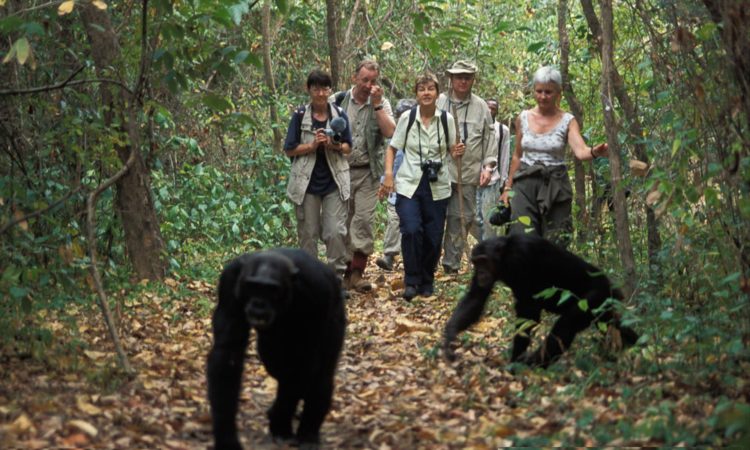
- Walk into the forest while trackers locate the chimps.
- Spend one hour with the chimps once they are found.
- Walk back and finish at the visitor centre.
The search can take from 30 minutes to a few hours. Chimps roam widely, so patience is part of the experience. Groups are small, generally around six to eight visitors.
How Much Does Chimpanzee Trekking in Kibale Cost?
Chimpanzee Trekking in Kibale costs about US$250 per person for foreign non-residents. Foreign residents and East African citizens pay lower rates. The permit is separate from transport, accommodation, and meals.
The full-day habituation experience costs about US$300. Compare that with gorilla permits, which cost US$800 in Uganda and US$1,500 in Rwanda. That gap is why many travelers add Kibale to a primate itinerary.
Rates can change, so confirm them with the Uganda Wildlife Authority or your operator. Low-season discounts may apply in some periods. Book early in peak months, since permits are limited.https://ugandawildlife.org/
Chimpanzee Trekking in Kibale vs Other Chimp Sites
Uganda and Rwanda offer several places to see chimps. Chimpanzee Trekking in Kibale is the most popular because of its large population and strong sighting record. The alternatives suit different budgets and moods.
Kyambura Gorge in Queen Elizabeth National Park is a dramatic, steep-sided canyon. Permits cost less, but sightings are less certain than in Kibale.
Budongo Forest near Murchison Falls offers an intimate forest walk. It pairs well with a Nile boat cruise and game drives.
Nyungwe Forest in Rwanda adds a canopy walkway and dense mountain forest. It suits travelers already visiting Volcanoes National Park.
For most first-timers, Chimpanzee Trekking in Kibale remains the safest, most rewarding choice. The alternatives shine when your route already passes nearby. Match the forest to your itinerary rather than chasing a single site.
Fitness and Health Tips for Chimpanzee Trekking in Kibale
Chimpanzee Trekking in Kibale is moderate, not extreme. Trails are gentler than at gorilla sites, but chimps move quickly. Guides sometimes leave the path to keep up with the group.
A few simple habits help. Walk regularly in the weeks before your trip. Break in your boots so blisters do not spoil the day.
Health matters for the animals too. Chimps catch human illnesses easily, so rangers may turn away sick visitors. Postpone your trek if you have a cold, cough, or stomach bug.
Bring water and light snacks. Wear layers, since the forest can feel cool and humid. Good preparation makes Chimpanzee Trekking in Kibale far more enjoyable.
Best Time for Chimpanzee Trekking in Kibale
Chimpanzee Trekking in Kibale runs all year. The dry seasons are generally the most comfortable. These are roughly June to September and December to February.
Trails are firmer and less slippery in dry months. That makes the walk easier and more pleasant. Demand is also higher, so book ahead.
Kibale’s wettest months are typically March to May and September to November. Rain makes trails muddy, but the forest is lush and quieter. Sightings remain very reliable in every season.
How to Reach Kibale for Chimpanzee Trekking in Kibale
Most travelers drive from Kampala. The distance is roughly 300 kilometers, or about four to five hours by road. The route runs through Mubende to Fort Portal.
From Fort Portal, Kanyanchu is a further 30 to 45 minutes. Many lodges arrange transfers from the town. Starting early makes the afternoon trek easy to catch.
A flight to Kasese is possible, followed by a drive of around 98 kilometers. This saves time for travelers on tight schedules. Your operator can arrange the combined transfer.
Where to Stay for Chimpanzee Trekking in Kibale
Accommodation near Kibale ranges from budget guesthouses to luxury lodges. Some sit inside or beside the forest, while others overlook crater lakes. Options exist in Fort Portal, Bigodi, and around the park edge.
Staying close to Kanyanchu shortens your morning transfer. Lodges near the crater lakes offer a scenic, quiet base. Book ahead during the dry season.
Choose a base that suits your plan. If Chimpanzee Trekking in Kibale is your main goal, stay near the visitor centre. If you also want lake views, look at the crater lake area.
What to Pack for Chimpanzee Trekking in Kibale
Good packing keeps the walk comfortable. Consider these essentials for Chimpanzee Trekking in Kibale:
- Waterproof hiking boots with good grip
- Long trousers and a long-sleeved shirt for protection from insects and plants
- A light rain jacket, since showers can appear quickly
- Insect repellent and a hat
- Gloves for steadying yourself on slopes
- A small daypack with water and snacks
- A camera that handles low light well
Porters are available at the visitor centre. Hiring one is optional but supports the local community. It is helpful if trails are muddy.
Rules for Chimpanzee Trekking in Kibale
Strict rules protect the chimps. Rangers brief every group before the walk.
Key rules include:
- Keep about eight meters from the chimps at all times
- Keep your voice low and avoid sudden movements
- Do not eat or drink near the animals
- Never use flash photography
- Stay behind if you feel unwell, since chimps catch human illnesses easily
- The minimum age is 12 years
Chimpanzees share roughly 98 percent of our DNA. That closeness makes them vulnerable to common colds and flu. Following these rules keeps Chimpanzee Trekking in Kibale safe for the animals.
Combining Chimpanzee Trekking in Kibale With Other Parks
Kibale fits neatly into a western Uganda circuit. Queen Elizabeth National Park lies to the south, with game drives and boat cruises. Bwindi is a further drive south for gorilla trekking.
Kyambura Gorge, near Queen Elizabeth, offers a second chimp option. Murchison Falls in the north offers chimps at Budongo Forest. Each pairing changes the feel of your trip.
A common route runs Kibale, then Queen Elizabeth, then Bwindi. It takes around seven to ten days. Chimpanzee Trekking in Kibale makes a strong opening or middle stop.
Frequently Asked Questions
How long does Chimpanzee Trekking in Kibale take? The full outing usually takes two to four hours, including one hour with the chimps.
What is the minimum age? Visitors must be at least 12 years old.
How likely am I to see chimps? Sightings are very likely, with success rates often quoted above 90 percent.
Is it cheaper than gorilla trekking? Yes, at about US$250 compared with US$800 to US$1,500 for gorillas.
Can I do it as a day trip from Kampala? It is possible but tiring, so an overnight stay is far better.
Plan Your Chimpanzee Trekking in Kibale Safari
Chimpanzee Trekking in Kibale delivers a powerful, affordable primate encounter. From the lively calls in the canopy to the quiet hour beside the group, it stays with you long after the trip. Good planning makes every part smoother.
Ready to book your Chimpanzee Trekking in Kibale adventure? Speak with Nabigaga Tours & Travel to build a personalized safari around your dates, budget, and interests.
Contact us now to get a free quote
Related packages
https://nabigagatoursandtravels.com/safarir-experiences/chimpanzee-trekking/

















[…] you spend one hour with them. Watch them feed, groom and call across the canopy. Our guide to chimpanzee trekking in Kibale explains what to expect. Bring a light waterproof jacket, because forest weather changes fast. Keep […]