Chimpanzee Trekking vs Gorilla Trekking is one of the most common questions travelers ask when planning a primate safari in Africa. Both experiences put you face to face with our closest wild relatives. But they feel very different, cost different amounts, and demand different things from you.
This guide breaks down Chimpanzee Trekking vs Gorilla Trekking so you can choose the right encounter for your 2026 trip.
Table of Contents
Chimpanzee Trekking vs Gorilla Trekking: The Quick Answer
Here is the short version of Chimpanzee Trekking vs Gorilla Trekking. Gorilla trekking is calmer, rarer, and much more expensive. Chimpanzee trekking is faster, noisier, and far more affordable.
Gorillas are large, gentle, and mostly ground-dwelling. Chimpanzees are energetic, vocal, and constantly moving through the trees. Both encounters last about one hour once you find the animals.
If budget is tight, chimpanzee trekking gives you a powerful primate experience for a fraction of the cost. If you want the iconic silverback encounter, gorilla trekking is the bucket-list choice. Many travelers eventually do both.
What Is Chimpanzee Trekking?
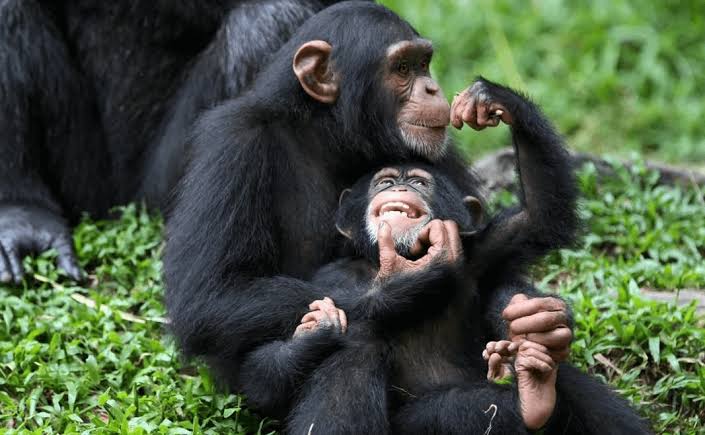
Chimpanzee trekking is a guided forest walk to find a habituated community of wild chimpanzees. Habituated means the animals have been slowly accustomed to human presence over several years. Rangers and trackers lead you to where the group is feeding or resting.
Once you reach them, you spend one hour observing. Chimpanzees may swing through branches, groom each other, or call across the forest. The noise level alone makes the experience feel very different from other wildlife encounters.
Chimpanzees live in several African countries. In East Africa, the best-known sites are in Uganda and Rwanda. Travelers also trek chimpanzees in western Tanzania.
What Is Gorilla Trekking?
Gorilla trekking is a guided hike to visit a habituated family of wild mountain gorillas. You walk with a ranger and trackers through dense, misty forest. When the family is found, you get one hour beside them.
Mountain gorillas are endangered, and roughly 1,000 remain in the wild. They live only in the Virunga volcanoes and Uganda’s Bwindi Impenetrable Forest. That rarity is a big part of why the permits cost so much.
A gorilla family is led by a dominant silverback. Watching him guard the group, while youngsters play nearby, is unforgettable. Most visitors describe the hour as deeply emotional.
7 Key Differences in Chimpanzee Trekking vs Gorilla Trekking
Here are the seven differences that matter most when comparing Chimpanzee Trekking vs Gorilla Trekking.
1. Animal Behavior and Encounter Style
Gorillas are slow-moving and calm. They spend most of their time on the ground, eating leaves and shoots. This lets you watch them closely and take steady photographs.
Chimpanzees are the opposite. They move fast, climb high, and communicate loudly with hoots and screams. The encounter feels energetic, and photography is harder.
This behavioral contrast is the heart of Chimpanzee Trekking vs Gorilla Trekking. One is a quiet, awe-filled hour. The other is a lively, unpredictable show.
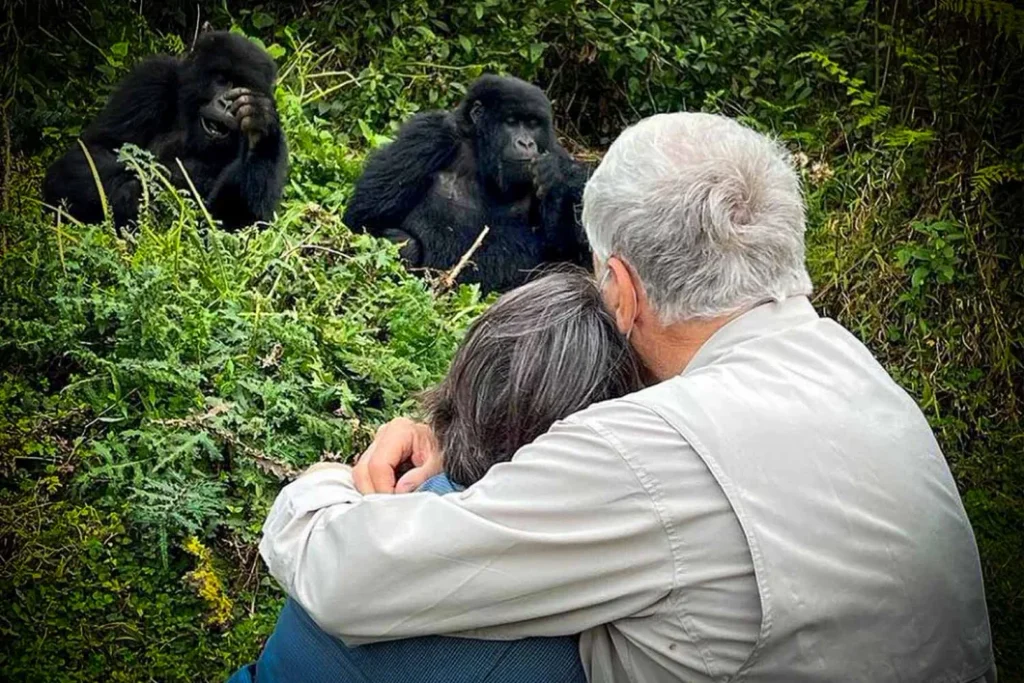
2. Permit Cost
Cost is the biggest gap in Chimpanzee Trekking vs Gorilla Trekking. A gorilla permit in Uganda costs around US$800 for foreign non-residents. In Rwanda, the standard gorilla permit is US$1,500.
A chimpanzee permit in Uganda’s Kibale Forest costs about US$250. Kyambura Gorge is cheaper, at around US$100. Other Ugandan forests, such as Budongo, are generally priced lower still.
In Rwanda, chimpanzee trekking in Nyungwe Forest also costs far less than gorillas. Published Nyungwe prices vary between sources, so confirm the current rate before booking. Permit fees change, so always check with the Uganda Wildlife Authority or Rwanda Development Board.https://ugandawildlife.org/
3. Difficulty and Terrain
Gorilla trekking usually happens at higher altitude. Bwindi sits at roughly 1,200 to 2,600 meters, and Rwanda’s Volcanoes National Park climbs even higher. Slopes are steep, muddy, and covered in thick vegetation.
Chimpanzee trekking in Kibale takes place at lower elevation. Trails are generally gentler, though the pace can be fast. Chimpanzees move constantly, so guides sometimes leave the path to keep up.
Kyambura Gorge is an exception, with steep descents into a deep canyon. Neither activity is extreme, but both need moderate fitness. Chimpanzee Trekking vs Gorilla Trekking is not a competition of toughness.
4. Trek Duration and Time With the Animals
Both activities give you one hour with the animals. The difference is how long it takes to find them. Gorilla treks can last from about 30 minutes to several hours.
Chimpanzee treks can also range from under an hour to around five hours. Chimpanzees travel widely in search of fruiting trees. Gorilla families tend to move a shorter distance each day.
Both parks also offer longer habituation experiences. In Kibale, the chimpanzee habituation experience costs about US$300 and lasts most of the day. This is a deeper look at Chimpanzee Trekking vs Gorilla Trekking for serious wildlife lovers.
5. Locations
Mountain gorilla trekking takes place in three countries. These are Uganda, Rwanda, and the Democratic Republic of Congo. Most travelers choose Uganda’s Bwindi and Mgahinga or Rwanda’s Volcanoes National Park.
Chimpanzee trekking is available in more places. Uganda offers Kibale, Kyambura Gorge, Budongo, and Kalinzu. Rwanda offers Nyungwe Forest, and Tanzania offers Gombe and Mahale.
This wider spread is a practical advantage in Chimpanzee Trekking vs Gorilla Trekking. You can more easily add chimpanzees to almost any East Africa itinerary. Gorillas require a dedicated trip to specific mountain forests.
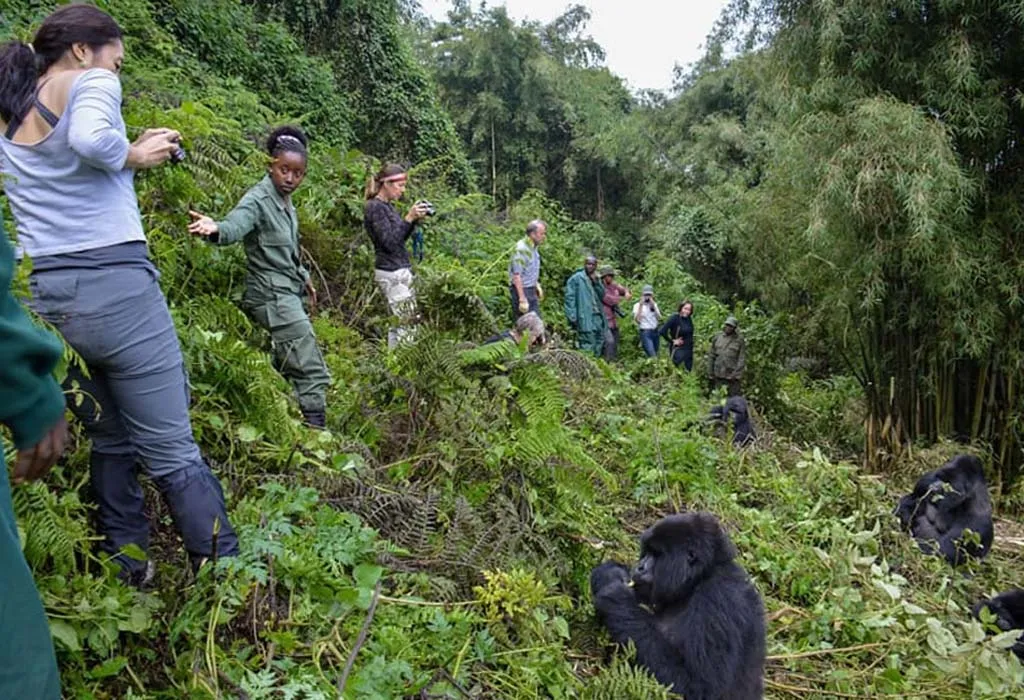
6. Group Size and Age Limits
Gorilla groups are capped at eight visitors per family per day. This keeps disturbance low and protects the animals from illness. The minimum age is 15 years.
Chimpanzee groups are also small, usually around six to eight people. The minimum age is generally 12, though some parks set it higher. Confirm the age rule for your chosen forest before you book.
Age limits matter for families. In Chimpanzee Trekking vs Gorilla Trekking, chimpanzees are often the better fit for younger teens. Gorillas remain an adult and older-teen experience.
7. Permit Availability
Gorilla permits are limited and sell out fast. In peak season, popular dates can be gone months ahead. Early booking is essential.
Chimpanzee permits are generally easier to secure. Kibale also has a very high sighting success rate, often quoted above 95 percent. That makes chimpanzee trekking a lower-risk choice for tight schedules.
Permit scarcity is a defining feature of Chimpanzee Trekking vs Gorilla Trekking. It rewards travelers who plan early. It also explains the price gap.
Chimpanzee Trekking vs Gorilla Trekking: Which Should You Choose?
Choosing between the two depends on your priorities. A few simple questions can point you in the right direction.
Is budget your main concern? Chimpanzee trekking costs far less than gorilla trekking. Do you want the iconic silverback encounter? Choose gorillas. Do you prefer an energetic, noisy experience? Choose chimpanzees. Are you traveling with a young teen? Chimpanzees usually have the lower age limit. Is your schedule flexible? Gorilla permits demand more advance planning.
Are you short on time? Chimpanzee trekking is easier to fit into a tight schedule.
There is no wrong answer in Chimpanzee Trekking vs Gorilla Trekking. Each encounter is memorable in its own way. The right choice simply matches your budget, fitness, and travel style.
Chimpanzee Trekking vs Gorilla Trekking: Can You Do Both?
Yes, and many travelers do. Combining both is the best way to settle Chimpanzee Trekking vs Gorilla Trekking in your own mind. Uganda and Rwanda both make this easy.
In Uganda, a popular route links Bwindi for gorillas with Kibale or Kyambura Gorge for chimpanzees. Queen Elizabeth National Park sits between the two, so it fits naturally into the route. A savannah stop also adds classic game drives.
In Rwanda, you can pair Volcanoes National Park with Nyungwe Forest. Volcanoes offers gorillas, while Nyungwe offers chimpanzees and a canopy walkway. Distances are short, which keeps the trip relaxed.
Doing both usually takes seven to ten days. Spreading the trek days apart gives your legs time to recover. It also gives you a fuller picture of Chimpanzee Trekking vs Gorilla Trekking.
Chimpanzee Trekking vs Gorilla Trekking: Total Trip Budget
The permit is only part of the cost in Chimpanzee Trekking vs Gorilla Trekking. You also pay for transport, accommodation, meals, guiding, and tips. Permit fees are the largest fixed expense, especially for gorillas.
A gorilla-focused trip therefore sits at the higher end of the budget scale. A chimpanzee-focused trip can be built for much less. Many travelers choose one gorilla trek and one chimpanzee trek to balance cost and experience.
Rates vary by nationality, season, and lodge category. East African citizens and foreign residents usually pay lower permit rates. Always confirm current fees before you commit, since tariffs are updated from time to time.
Chimpanzee Trekking vs Gorilla Trekking: Photography Tips
Photography needs differ between the two experiences. In Chimpanzee Trekking vs Gorilla Trekking, light and speed are the main challenges.
Gorilla forests are dark and dense. A camera with good low-light performance helps, and flash is never allowed. Gorillas move slowly, so you have time to frame shots.
Chimpanzees are fast and often high in the canopy. A zoom lens and quick shutter speed make a real difference. Patience matters more than gear in both cases.
Other Wildlife You Can See on Both Treks
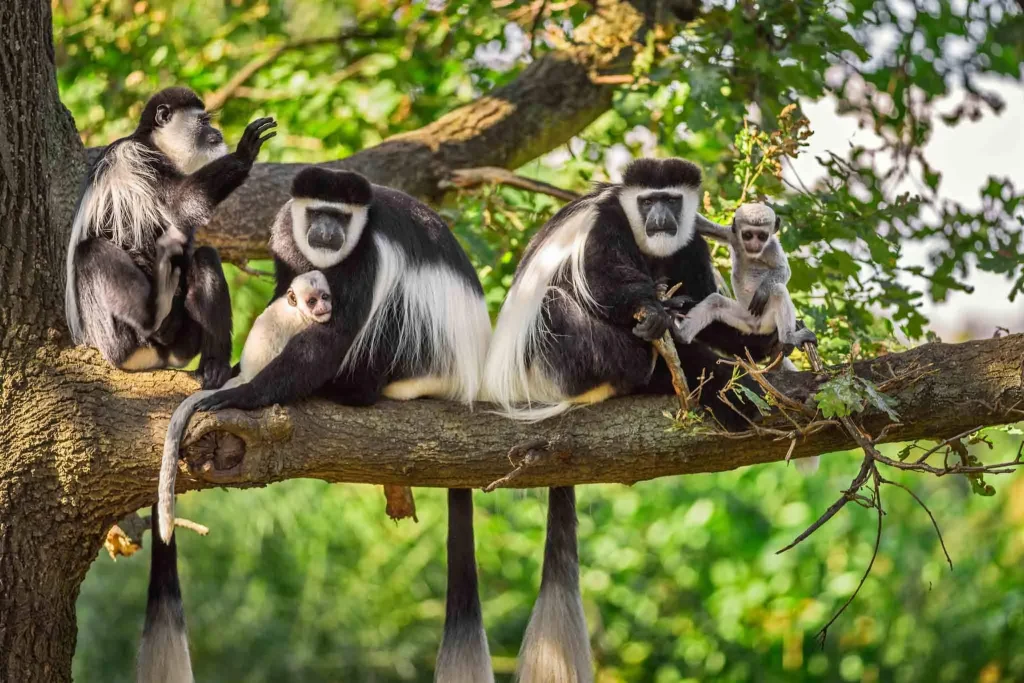
The forests are full of life beyond the headline animals. Kibale is known for its high primate diversity, including red colobus and black-and-white colobus monkeys. Birdlife is rich, and butterflies are common in forest clearings.
Bwindi and Volcanoes also hold many bird species and other forest wildlife. Nyungwe adds a canopy walkway and a wide range of primates. Keep your eyes open, since guides often point out extra sightings along the trail.
Best Time for Chimpanzee Trekking vs Gorilla Trekking
Both activities run all year, since the forests sit in rainforest zones. The dry seasons are generally the most comfortable. These run roughly June to September and December to February.
Trails are firmer and less slippery in dry months. Chimpanzees also tend to forage lower when trees are fruiting. The trade-off is higher demand and tighter permit availability.
Wetter months, roughly March to May and October to November, bring lower crowds. Some discounts may apply in low season. The best timing in Chimpanzee Trekking vs Gorilla Trekking depends on your budget and comfort with mud.
What to Pack for Chimpanzee Trekking vs Gorilla Trekking
Packing needs are very similar for both activities. Here are the essentials for Chimpanzee Trekking vs Gorilla Trekking:
- Waterproof hiking boots with good grip
- Long trousers and a long-sleeved shirt to protect against vegetation and insects
- A light rain jacket, since forest weather changes quickly
- Gloves for gripping vines on steep sections
- Insect repellent and a hat
- A small daypack with water and snacks
- A camera that works well in low light
Porters are available at most trailheads. Hiring one supports local communities and makes the hike easier. It is a good idea on gorilla treks, where slopes are steeper.
Trekking Rules for Chimpanzee Trekking vs Gorilla Trekking
Strict rules protect the animals in both activities. Rangers enforce them closely, so expect a briefing before you set off.
Key rules include:
- Keep at least seven meters from the animals
- Keep your voice low and avoid sudden movements
- Never eat or drink near the animals
- Do not use flash photography
- Stay home if you feel unwell, since primates catch human illnesses easily
- Follow every instruction from your ranger
Gorillas and chimpanzees share roughly 98 percent of our DNA. That closeness makes them vulnerable to colds and flu. Respecting these rules keeps Chimpanzee Trekking vs Gorilla Trekking sustainable for future visitors.
Frequently Asked Questions
Which is cheaper, chimpanzee or gorilla trekking? Chimpanzee trekking is far cheaper, with Kibale at about US$250 versus US$800 to US$1,500 for gorillas.
Which is more physically demanding? Gorilla trekking is usually tougher because of higher altitude and steeper slopes.
Can I do both in one trip? Yes, Uganda and Rwanda both make combined primate itineraries easy.
How long do I spend with the animals? Both standard treks allow one hour once the animals are found.
Do I need to book early? Yes, especially for gorillas, where permits sell out months ahead in peak season.
Plan Your Chimpanzee Trekking vs Gorilla Trekking Safari
Chimpanzee Trekking vs Gorilla Trekking is really a choice between two unforgettable primate encounters. One is a calm hour beside a gentle giant. The other is a lively hour among some of the forest’s most energetic residents. Whichever you choose, careful planning makes the experience smoother.
Ready to plan your own Chimpanzee Trekking vs Gorilla Trekking adventure? Speak with Nabigaga Tours & Travel to build a personalized primate safari around your budget, dates, and fitness level.
Contact us now to get a free quote
Related Packages: Activity – Primates
https://nabigagatoursandtravels.com/safari-experiences/adventure-beach-experiences/