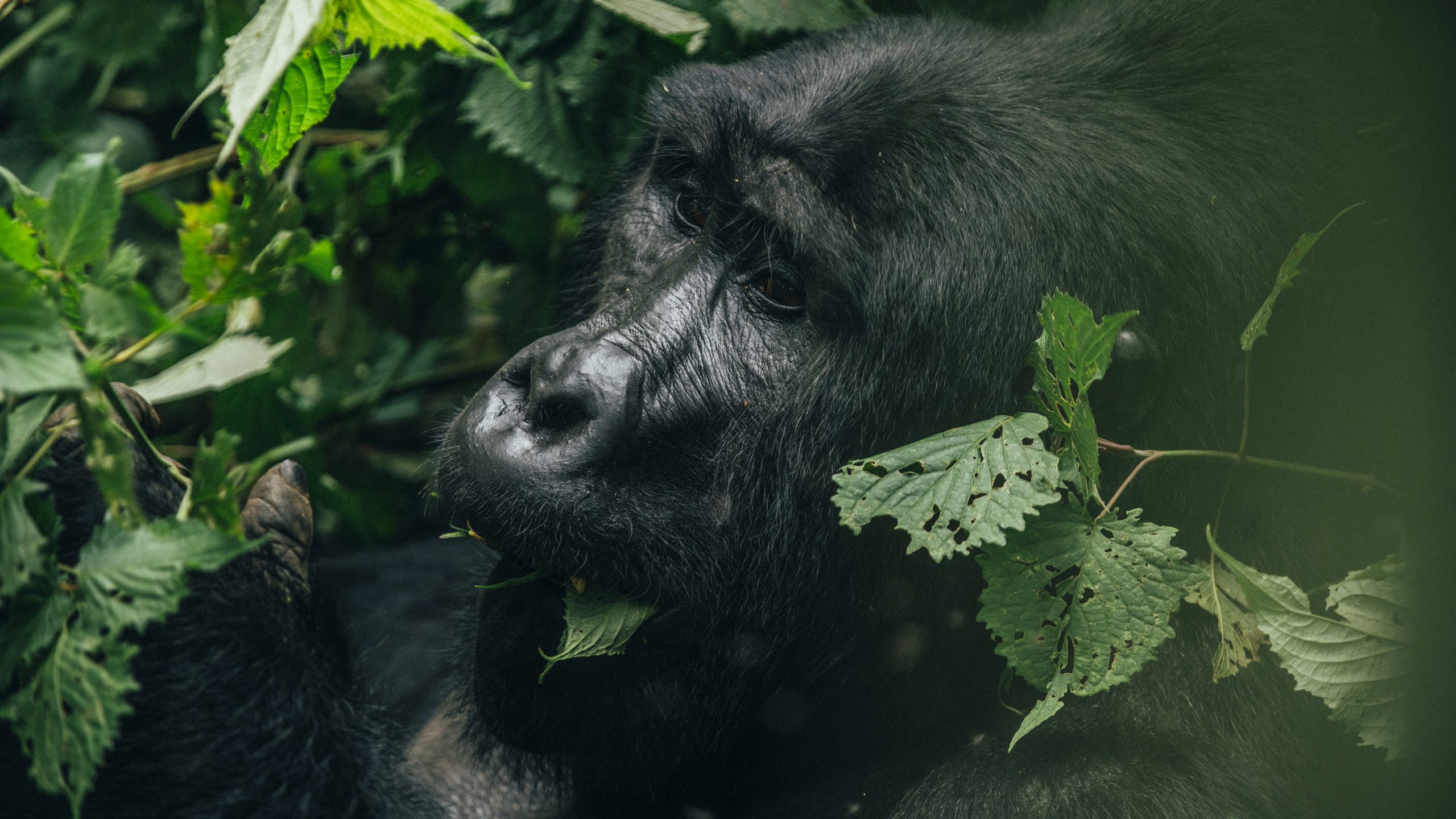
Gorilla trekking in Uganda is a once-in-a-lifetime wildlife experience, but how much should you actually budget for it?
The answer depends on much more than the price of a gorilla permit.
Table of Contents
Introduction
Your total Uganda gorilla safari cost can include the trekking permit, accommodation, private safari vehicle, fuel, meals, park fees, guide services, and the number of days you spend travelling through southwestern Uganda.
For travellers planning their first gorilla trekking experience, understanding these costs before booking makes it much easier to compare itineraries and choose the right safari.
At Nabigaga Tours & Travel, we help travellers build personalised Uganda safari itineraries around gorilla trekking, wildlife, primates, culture and other experiences across the country.
Quick Answer: How Much Does Gorilla Trekking in Uganda Cost?
The gorilla permit is one of the highest fixed costs in a Uganda gorilla safari.
UWA’s current information provides the official tariff framework, while applicable rates can vary according to traveller category, travel date, and the particular activity being booked. UWA’s rates page now provides access to its 2026–2027 tariff changes, so travellers should confirm the applicable rate before making payment.
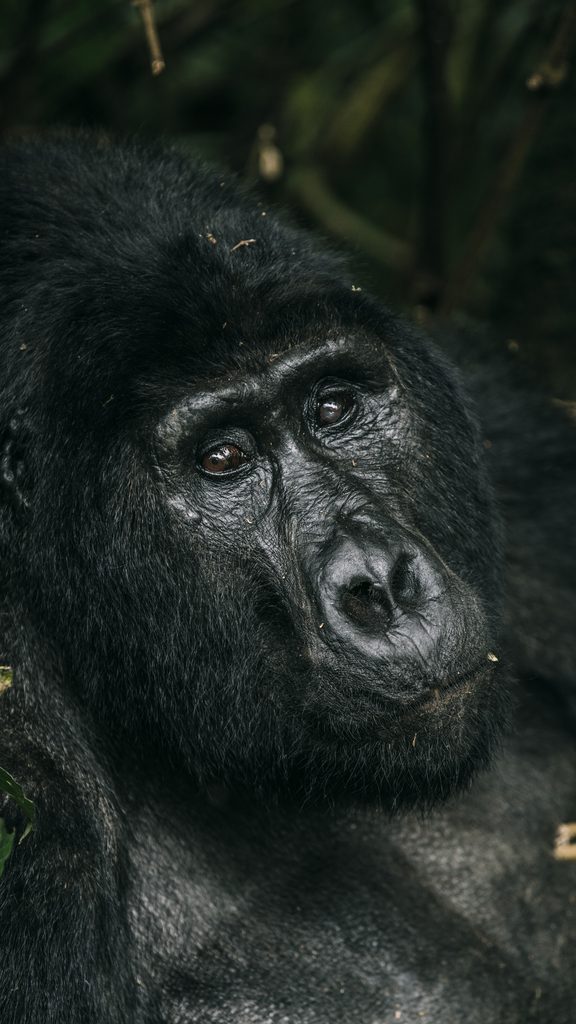
For international travellers, the standard gorilla trekking permit has been maintained at US$800, while UWA introduced a US$600 low-season rate for qualifying foreign non-resident treks in April, May and November 2026. Current published industry guidance also reports the revised 2026–2027 standard categories as US$800 for foreign non-residents, US$700 for foreign residents, US$500 for visitors from the Rest of Africa and UGX300,000 for East African citizens. Because tariff implementation and booking conditions can change, confirm your exact permit price with UWA or your licensed safari operator before payment.
But the permit is only one part of the overall trip.
What Does a Uganda Gorilla Safari Cost?
A realistic safari budget normally consists of several components.
1. Gorilla trekking permit
The permit gives you access to the gorilla trekking experience in Bwindi or Mgahinga under Uganda Wildlife Authority’s management.
UWA confirms that gorilla trekking takes place in:
- Bwindi Impenetrable National Park
- Mgahinga Gorilla National Park
A standard trek allows visitors to spend up to one hour observing a habituated gorilla family once the group has been located.
This is why the permit should not be viewed simply as an entrance ticket. It supports a highly regulated conservation activity.
2. Accommodation
Your choice of accommodation can make a substantial difference to the final price of a gorilla safari.
Options around Bwindi and Mgahinga range from comfortable mid-range properties to high-end and luxury forest lodges.
For a luxury itinerary, travellers may choose a lodge with:
- Forest views
- Private rooms or cottages
- En-suite facilities
- Quality dining
- Spacious rooms
- Private or personalised services
- Easy access to the relevant trekking sector
The important point is that where you stay matters.
Bwindi is not one single trekking point. It has different sectors, including Buhoma, Ruhija, Rushaga and Nkuringo, and choosing accommodation close to your trekking sector can make your safari more comfortable.
This is one reason we recommend planning accommodation and permits together rather than choosing a lodge first and trying to fit the trek around it.
3. Private safari transportation
For international travellers arriving in Uganda, gorilla trekking is usually part of a wider road safari rather than an isolated activity.
Your safari may involve travelling from Entebbe or Kampala towards southwestern Uganda before continuing to Bwindi or Mgahinga.
The final cost can therefore depend on:
- Number of travellers
- Number of safari days
- Vehicle type
- Fuel
- Driver-guide services
- Road distance
- Additional national parks visited
- Accommodation locations
A private safari vehicle shared by two travellers will naturally have a different per-person cost than the same vehicle shared by four, six, or more travellers.
This is why quoting a gorilla safari solely based on the permit price can be misleading.
4. Meals and lodge services
Some safari packages include breakfast, lunch and dinner, while others may have different inclusions depending on the accommodation.
When comparing Uganda gorilla safari prices, check whether your quotation includes:
Accommodation
Breakfast
Lunch
Dinner
Drinking water
Transport
Driver-guide
Fuel
Park entry fees
Gorilla permit
Airport transfers
Activities
A cheaper headline price is not necessarily the better value if important services have been excluded.
5. Porter services
A porter can be particularly useful during a gorilla trek.
Bwindi’s terrain can be steep, muddy and physically demanding. UWA describes gorilla trekking as requiring moderate fitness, with treks potentially lasting approximately 2–7 hours depending on the location of the gorilla family.
A porter can help carry your daypack and provide practical assistance along the trail.
Beyond the practical benefit, using local services can also help distribute tourism income within communities around the protected area.
That makes porters a valuable part of a responsible trekking experience.
6. Additional safari experiences
Many travellers do not visit Uganda solely for gorilla trekking.
And that is one of the country’s greatest advantages.
Uganda has a wide range of protected areas and wildlife experiences, including Kibale Forest, Queen Elizabeth National Park, Murchison Falls National Park, Kidepo Valley National Park, Lake Mburo, Mgahinga and Bwindi.
You could therefore combine gorilla trekking with:
- Chimpanzee trekking
- Game drives
- Boat cruises
- Wildlife viewing
- Birdwatching
- Cultural experiences
- Forest walks
- Mountain activities
For example, a traveller could combine:
Kibale → Queen Elizabeth → Bwindi
This creates a more complete Uganda safari combining chimpanzees, savannah wildlife and mountain gorillas.
How Much Does a 3-Day Gorilla Safari Cost?
A three-day gorilla safari can work well for travellers who want to focus primarily on the trekking experience.
A typical itinerary might look like:
Day 1
Travel from Entebbe/Kampala towards Bwindi or the relevant trekking area.
Day 2
Gorilla trekking.
Day 3
Return journey or onward travel.
However, the total cost will depend on your accommodation level, number of travellers, vehicle arrangement, trekking sector and starting point.
For travellers coming from overseas, we generally recommend considering whether three days provides enough time for the wider journey.
The gorilla trek may be the main attraction, but the journey into southwestern Uganda is part of the experience too.
How Much Does a 5–7 Day Uganda Gorilla Safari Cost?
This is where the itinerary becomes more interesting.
With five to seven days, you can combine gorilla trekking with other major experiences.
A possible route could include:
Entebbe → Kibale → Queen Elizabeth → Bwindi → Entebbe
This can provide opportunities for:
Chimpanzee trekking
Game drives
Boat safari
Gorilla trekking
Forest and community experiences
It also allows you to experience more of Uganda rather than travelling all the way to Bwindi for one activity and immediately returning.
If you are interested in combining primates and wildlife, this type of itinerary can offer much stronger overall value.
When Is the Cheapest Time to Go Gorilla Trekking in Uganda?
Timing can influence your overall safari budget.
Uganda is a year-round destination, but the country’s seasons create different travel conditions.
Uganda’s official tourism information identifies June to September as a major dry period and December to February as another generally favourable period for many outdoor activities. The wetter months can offer greener landscapes and lower-demand travel opportunities.
More importantly, UWA introduced specific low-season gorilla permit discounts for qualifying travellers in April, May and November 2026. Published 2026 guidance reports the foreign non-resident rate at US$600 during those qualifying months.
However, saving on a permit does not necessarily mean the entire safari will be cheaper by the same amount.
Your accommodation, transport and other services still contribute to the final price.
Is Gorilla Trekking in Uganda Worth the Cost?
For many travellers, yes.
But the value comes from more than the permit itself.
Uganda’s mountain gorillas live in their natural forest habitat, and the trekking experience combines wildlife observation with an active journey through one of East Africa’s most remarkable landscapes.
UWA reports that Uganda’s mountain gorillas occur in Bwindi Impenetrable National Park and Mgahinga Gorilla National Park, with Bwindi containing roughly half of the world’s mountain gorilla population.
There is also a wider conservation dimension.
UWA explains that tourism revenue contributes to conservation and community development, including revenue-sharing mechanisms for communities surrounding protected areas.
So part of what you are paying for supports the infrastructure, management and conservation framework that makes responsible gorilla tourism possible.
Uganda Gorilla Trekking vs Rwanda: Why Do Travellers Choose Uganda?
Cost is one reason travellers compare Uganda with Rwanda, but it should not be the only consideration.
Uganda offers:
- Bwindi and Mgahinga
- Multiple trekking sectors
- Opportunities to combine gorillas with extensive wildlife safaris
- Chimpanzee trekking in Kibale
- Large national park circuits
- A broad range of safari experiences
The best destination depends on your priorities, available time, budget and preferred itinerary.
If you are comparing the two, don’t simply compare gorilla permit prices.
Compare the complete journey:
Permit + accommodation + transport + activities + number of days + overall experience.
How to Reduce the Cost of a Uganda Gorilla Safari
If your budget is important, there are several legitimate ways to manage costs without compromising the experience.
Travel with a small group
Sharing a private safari vehicle among several travellers can reduce the per-person transport cost.
Choose accommodation strategically
You don’t necessarily need the most expensive lodge to have a memorable gorilla trek.
Consider low-season dates
Where applicable, low-season permit rates can reduce one of the highest fixed costs. Always confirm the rate and conditions before booking.
Combine destinations efficiently
A well-designed route can reduce unnecessary driving and overnight costs.
Book early
Gorilla permits are limited, and your preferred trekking date and sector may not remain available if you wait too long.
Work with a specialist
A knowledgeable local operator can help coordinate the permit, trekking sector, accommodation and transportation rather than treating each component separately.
What Does Your Gorilla Trekking Permit Include?
One common misconception is that the permit covers your entire Uganda safari.
It doesn’t.
UWA’s published tariff information states that the gorilla tracking rate includes the guide fee, park entrance fee for the day and community development contribution under the applicable tariff.
Your overall safari can still require separate payment for:
- Accommodation
- Transport
- Fuel
- Meals where not included
- Airport transfers
- Porter services
- Additional activities
- Extra nights
- Other park fees
- International flights
This distinction is important when comparing quotations from different safari companies.
How Nabigaga Tours & Travel Can Help
Planning a gorilla safari is not simply about finding the cheapest permit.
The details need to work together.
Which trekking sector should you use?
Where should you stay?
How many nights do you need?
Should you include Kibale?
Can you combine gorillas with Queen Elizabeth National Park?
What vehicle is appropriate for the route?
Which experiences fit your interests?
At Nabigaga Tours & Travel, we can help bring these elements together into a personalised Uganda safari.
If your priority is gorilla trekking, we can build the itinerary around the trekking experience and then add wildlife, chimpanzees, culture or other destinations according to your available time.
Plan Your Uganda Gorilla Trekking Safari
The real cost of a gorilla safari is not simply the price of a permit.
It is the cost of creating an experience that brings together conservation, accommodation, transportation, expert guiding, wildlife and time in the forest.
For some travellers, a short gorilla-focused trip will be ideal.
For others, the better option is a longer Uganda safari combining gorilla trekking, chimpanzee tracking and Big Five wildlife experiences.
The right choice depends on your travel style, budget and the experiences you want to take home.
Ready to plan your Uganda gorilla trekking safari?
Explore our Gorilla Trekking in Uganda experiences or speak with Nabigaga Tours & Travel about creating a personalised safari around your dates, interests and budget.





[…] How Much does Uganda gorilla trekking Cost? […]
[…] you want a deeper breakdown of total trip costs, our guide on gorilla trekking safari pricing covers accommodation, transport and meals in detail. For a broader overview of the trekking […]
[…] Gorilla trekking permits are limited each day and must be booked well in advance. Prices reflect strict conservation efforts that fund ranger patrols and community programs around the park. Booking early is essential, especially during peak travel months. […]