National Parks in Uganda protect an unusually wide range of landscapes for one country. Snow-capped mountains, rainforests, savannah plains, crater lakes, and wetlands all sit within a few hours’ drive of each other. That variety is why Uganda punches so far above its size on the safari map.
This guide introduces all 10 National Parks in Uganda, what makes each one worth visiting, and how to plan around them.
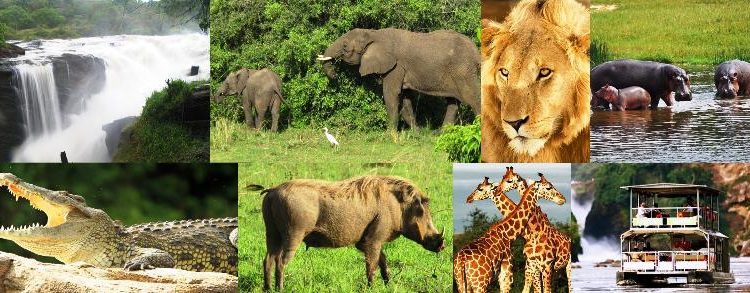
Table of Contents
What Makes National Parks in Uganda Special?
Uganda Wildlife Authority manages 10 National Parks in Uganda, alongside wildlife reserves and community areas. Few countries this size pack in so much ecological range. Rainforest, savannah, wetland, and alpine terrain all appear within a single day’s drive of each other.
This is also one of the only places on Earth where you can trek both mountain gorillas and chimpanzees. Add tree-climbing lions, the source of the Nile, and Africa’s third-highest peak, and the appeal becomes clear. National Parks in Uganda consistently surprise first-time visitors with just how much variety fits into one country.
10 National Parks in Uganda You Should Know
Here is a quick tour through all 10 National Parks in Uganda, from the most visited to the least known.
1. Bwindi Impenetrable National Park
Bwindi is Uganda’s most famous park, home to roughly half the world’s remaining mountain gorillas. Dense, ancient rainforest covers steep hills in the southwest, near the borders of Rwanda and the Democratic Republic of Congo. Gorilla trekking permits cost around US$800 for foreign non-residents.
The Batwa Cultural Trail near the park adds a rich cultural layer to a Bwindi visit. Most travelers spend two to three nights here. Among National Parks in Uganda, Bwindi remains the single biggest draw for international visitors.

2. Queen Elizabeth National Park
Queen Elizabeth sits in western Uganda, where the Rift Valley floor meets Lakes George and Edward. The Kazinga Channel boat cruise is a highlight, with hippos, crocodiles, and elephants gathering along its banks. The Ishasha sector is famous for lions that climb into fig trees during the day.
The park was originally established in 1952 as Kazinga National Park. It remains one of the most complete savannah experiences among National Parks in Uganda. Cultural visits to nearby communities like Kikorongo add further depth to a stay here.
3. Murchison Falls National Park
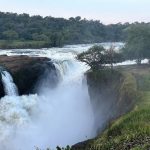
Murchison Falls is Uganda’s largest national park, covering roughly 3,893 square kilometers in the northwest. The Victoria Nile is forced through a narrow gorge here, plunging in a powerful, thundering cascade. A boat cruise to the base of the falls is the signature activity.
Game drives on the northern bank reveal elephants, giraffes, lions, and buffalo. Nearby Ziwa Rhino Sanctuary adds a rare rhino-tracking stop on the way north from Kampala. Its size and variety make Murchison Falls a standout among National Parks in Uganda.

4. Kibale National Park
Kibale protects roughly 795 square kilometers of moist rainforest in western Uganda. It holds an estimated 1,500 chimpanzees, the largest population found in any of the National Parks in Uganda. Thirteen primate species live in the forest altogether.
Chimpanzee trekking permits cost about US$250 for foreign non-residents. The nearby Bigodi Wetland Sanctuary adds birdlife and further primate sightings. Kibale pairs naturally with Queen Elizabeth on a western Uganda circuit.
5. Kidepo Valley National Park
Kidepo sits in Uganda’s remote northeastern corner, bordering South Sudan and Kenya. Wide, rugged savannah and dramatic mountain backdrops set it apart from Uganda’s other parks. Visitor numbers remain low simply because of the long drive required to reach it.
The park is home to species found nowhere else in Uganda, including cheetahs and ostriches. A visit here often pairs with a Karamojong cultural encounter nearby. For travelers seeking the least-visited of the National Parks in Uganda, Kidepo is the clear choice.
6. Mgahinga Gorilla National Park
Mgahinga is Uganda’s smallest national park, covering under 40 square kilometers in the far southwest. It sits within the Virunga volcanic range, shared with Rwanda and the Democratic Republic of Congo. Gorilla trekking is possible here, alongside golden monkey tracking.
The Batwa Trail here is led entirely by Batwa community guides and includes a visit to Garama Cave. Mgahinga sees far fewer visitors than Bwindi, despite similar wildlife. It is one of the more overlooked National Parks in Uganda for gorilla trekking.
7. Lake Mburo National Park
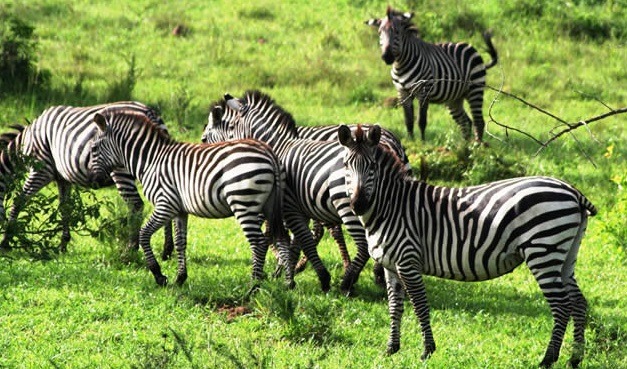
Lake Mburo is Uganda’s smallest savannah park, covering about 370 square kilometers. It was established as a national park in 1983 and sits conveniently between Kampala and the southwest. Zebras, impalas, and eland roam here, alongside Uganda’s only population of impala.
Its compact size makes game drives efficient and easy to combine with a longer journey. Boat rides on the lake add hippo and crocodile sightings. Among National Parks in Uganda, Lake Mburo works well as a convenient stopover rather than a standalone destination.
8. Rwenzori Mountains National Park
The Rwenzori range holds some of Africa’s highest peaks, including Margherita Peak on Mount Stanley. Established in 1991, the park is also a UNESCO World Heritage Site. Glaciers, alpine bogs, and dramatic ridgelines make it unlike any other Uganda destination.
Multi-day trekking is the main draw, requiring good fitness and proper gear. The mountains sit close to Queen Elizabeth National Park, making a combined itinerary practical. Rwenzori is the most physically demanding of the National Parks in Uganda.
9. Mount Elgon National Park
Mount Elgon straddles the border with Kenya in eastern Uganda, built around one of the world’s largest volcanic calderas. The park was formally gazetted in 1992, after decades as a forest reserve. Sipi Falls, on its lower slopes, is a popular base for hiking and coffee tours.
Caves on the mountain, including Kitum Cave, were historically used by elephants seeking salt. Multi-day hikes to the summit are possible for well-prepared trekkers. Mount Elgon offers a different kind of adventure among National Parks in Uganda, built around altitude rather than big game.
10. Semuliki National Park
Semuliki, gazetted in 1993, is one of the newest National Parks in Uganda. It sits in western Uganda’s Bundibugyo district, bordering the Democratic Republic of Congo. Lowland tropical forest here resembles Central African rainforest more than typical East African bush.
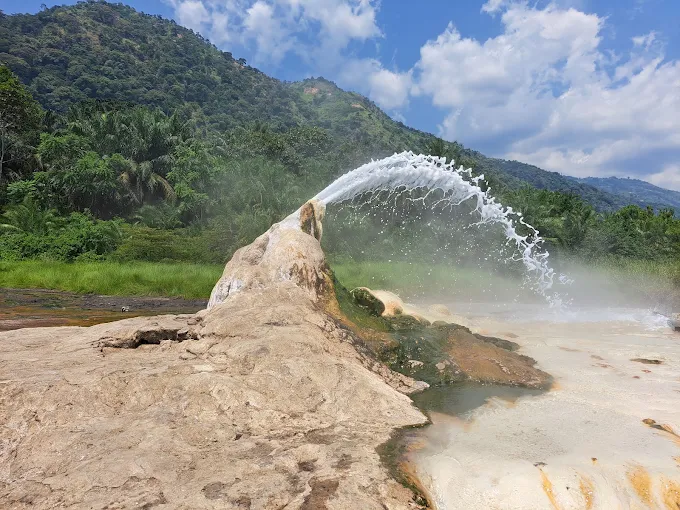
The Sempaya hot springs are a distinctive feature, with boiling water rising through the forest floor. Birdlife is exceptional, drawing dedicated birders from around the world. Semuliki remains one of the least-visited yet most unusual National Parks in Uganda.https://ugandawildlife.org/parks/
Wildlife You Can Find in National Parks in Uganda
Between them, National Parks in Uganda protect an unusually wide range of species. Mountain gorillas live only in Bwindi and Mgahinga, while chimpanzees are found in Kibale, Kyambura Gorge, and several forest reserves. Savannah parks like Murchison Falls and Queen Elizabeth hold elephants, buffalo, lions, and leopards.
Kidepo adds species found nowhere else in the country, including cheetahs, ostriches, and greater kudu. Lake Mburo holds Uganda’s only population of impala, alongside zebras and eland. Birdlife is exceptional throughout, with over 1,000 species recorded across National Parks in Uganda as a whole.
The shoebill, a striking prehistoric-looking bird, is a particular highlight in wetland areas like Murchison’s delta. Rwenzori and Mount Elgon add high-altitude species adapted to cold, thin mountain air. This range of habitats is what allows National Parks in Uganda to support such consistently high wildlife counts.
National Parks in Uganda by Region
Grouping National Parks in Uganda by region makes route planning far easier.
Southwestern Uganda holds Bwindi, Mgahinga, and Rwenzori, all clustered near the Rwanda and Congo borders. Western Uganda holds Queen Elizabeth, Kibale, and Semuliki, connected by manageable drive times. Northwestern Uganda holds Murchison Falls, reached via a scenic route north from Kampala. Northeastern Uganda holds Kidepo, the most remote and least accessible of the group. Central Uganda holds Lake Mburo, conveniently placed between Kampala and the southwest. Eastern Uganda holds Mount Elgon, close to Sipi Falls and the Kenyan border.
Most itineraries pick one or two clusters rather than attempting the whole country at once. Trying to cover every region of National Parks in Uganda in a single trip usually means too much driving and too little time at each stop.
How Much Does It Cost to Visit National Parks in Uganda?
Entry fees vary by park, but most fall between US$35 and US$45 per day for foreign non-residents. Activity fees are separate and vary widely. Gorilla permits cost around US$800, while chimpanzee permits cost about US$250.
Game drives, boat cruises, and hikes typically carry smaller additional fees. East African citizens and foreign residents pay significantly lower rates at every park. Always confirm current fees with the Uganda Wildlife Authority, since tariffs are periodically revised. Budget travelers can often keep daily costs modest by choosing camping or budget lodges between parks. Luxury travelers, by contrast, can expect significantly higher nightly rates at premium properties near several National Parks in Uganda.
Best Time to Visit National Parks in Uganda
Most National Parks in Uganda are enjoyable year-round, since rainfall is fairly evenly distributed across the country. The two dry seasons, roughly June to September and December to February, offer firmer roads and easier trekking. Wetter months bring lush scenery and lower rates.
Rwenzori trekking is especially weather-dependent, so dry months matter more there than elsewhere. Savannah parks like Murchison and Queen Elizabeth remain rewarding in every season. Matching your dates to your priority park is more useful than chasing one universal “best month.”
How to Get Around National Parks in Uganda
Most travelers move between parks by private 4×4 vehicle with a driver-guide. Roads connecting the western parks, including Kibale, Queen Elizabeth, and Bwindi, are generally well maintained. Reaching Kidepo in the northeast requires either a long drive or a domestic flight.
Domestic flights link Entebbe to airstrips near Murchison Falls, Kidepo, Kihihi, and Kisoro. Flying saves time on longer circuits, at a higher cost than road transport. Planning routes around National Parks in Uganda usually means grouping nearby parks together to minimize backtracking.
A well-sequenced route can link three or four National Parks in Uganda without excessive backtracking. Western parks connect especially well, since Kibale, Queen Elizabeth, and Bwindi sit along a single manageable road corridor. Northeastern and eastern parks generally require their own dedicated leg of the trip.
Which National Park in Uganda Should You Visit First?
For most first-time visitors, Bwindi and Queen Elizabeth make a strong combined introduction. Gorillas, tree-climbing lions, and a boat cruise cover a wide range of Uganda’s appeal in one trip. Adding Kibale extends this into a complete primate-and-wildlife circuit.
Travelers with more time or a taste for remote destinations should consider Kidepo. Those interested in trekking rather than game drives should look toward Rwenzori or Mount Elgon. There is no wrong starting point among National Parks in Uganda, only different priorities. Families often prefer the shorter drives of the western circuit, while more experienced travelers sometimes head straight for Kidepo or the Rwenzori. A good operator will help sequence National Parks in Uganda around your available time rather than forcing every park into one trip.
Where to Stay Near National Parks in Uganda
Accommodation near National Parks in Uganda ranges from simple campsites to award-winning luxury lodges. Budget travelers can find comfortable guesthouses and basic bandas just outside most park gates. These options keep costs low while still placing you within easy reach of morning activities.
Mid-range lodges are widely available near the more visited parks, including Bwindi, Queen Elizabeth, and Murchison Falls. They typically offer en-suite rooms, generator or solar power, and full board meal plans. This category suits most travelers looking for comfort without a high price tag.
Luxury properties near National Parks in Uganda often sit inside or directly bordering the park boundary. Many offer private verandas overlooking rivers, forests, or open savannah, along with personalized guiding. Some remote parks, such as Kidepo and Semuliki, have far fewer lodge options, so early booking matters more there than elsewhere.
Choosing where to stay often comes down to which activities matter most on that leg of the trip. Staying close to a boat launch or trailhead can save valuable time each morning. A local specialist can match accommodation choices to the specific National Parks in Uganda on your itinerary.
How Many Days Do You Need for National Parks in Uganda?
Trip length depends entirely on how many National Parks in Uganda you want to include. A short 5- to 7-day trip comfortably covers two parks, such as Bwindi and Queen Elizabeth. This suits travelers with limited vacation time who still want gorillas and classic savannah wildlife.
A 9- to 12-day trip allows three or four parks, adding Kibale or Murchison Falls to the mix. This is the most common length for a well-rounded first visit. It gives enough time to enjoy each park without excessive daily driving.
Longer trips of two weeks or more open up the full range of National Parks in Uganda, including remote Kidepo or a Rwenzori trek. These extended itineraries suit repeat visitors or travelers with a strong interest in a specific activity. Rushing between too many National Parks in Uganda in too little time usually reduces enjoyment rather than adding value.
A good rule of thumb is at least two full days per major park, plus a travel day between each one. Shorter stops work for smaller parks like Lake Mburo, which can be covered well in a single day. Balancing ambition with realistic pacing is the key to enjoying National Parks in Uganda rather than merely checking them off a list.
Frequently Asked Questions
How many national parks does Uganda have? Uganda has 10 national parks, managed by the Uganda Wildlife Authority.
Which park is best for gorilla trekking? Bwindi Impenetrable National Park and Mgahinga Gorilla National Park both offer gorilla trekking.
Which is Uganda’s largest national park? Murchison Falls National Park is the largest, covering about 3,893 square kilometers.
Can I visit several parks in one trip? Yes, most itineraries combine two to four parks depending on available time.
Is Kidepo worth the long drive? Yes, its remote landscapes and unique wildlife make it a highlight for travelers with extra time.
Do all National Parks in Uganda charge entry fees? Yes, all 10 parks charge entrance fees, though rates vary by nationality and park.
Are National Parks in Uganda safe to visit? Yes, with a licensed guide and normal safari precautions, all of them are considered safe for travelers.
Plan Your Trip to National Parks in Uganda
From misty gorilla forests to a thundering waterfall on the Nile, National Parks in Uganda cover an extraordinary range of landscapes for one country. Choosing which to visit depends on your time, your interests, and how far you’re willing to travel off the beaten path. Good planning turns a long list of parks into a smooth, well-paced journey.
Ready to explore Uganda’s parks for yourself? Speak with Nabigaga Tours & Travel to build an itinerary around the National Parks in Uganda that match your interests and schedule.
Contact us now to get a free quote
https://nabigagatoursandtravels.com/tour_destination/uganda-safaris/