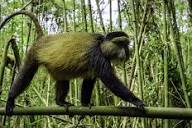
Volcanoes National Park sits in northwestern Rwanda, where misty volcanic peaks rise above bamboo forest. It protects the Rwandan side of the Virunga Massif and is home to mountain gorillas and golden monkeys. Few places in Africa feel so dramatic, so green, and so alive.
This guide explains what to do in the park, what it costs, and when to go. It also shows how to build the park into a wider route through Rwanda Safaris. You can read our dedicated guide to gorilla trekking in Rwanda for more permit detail.
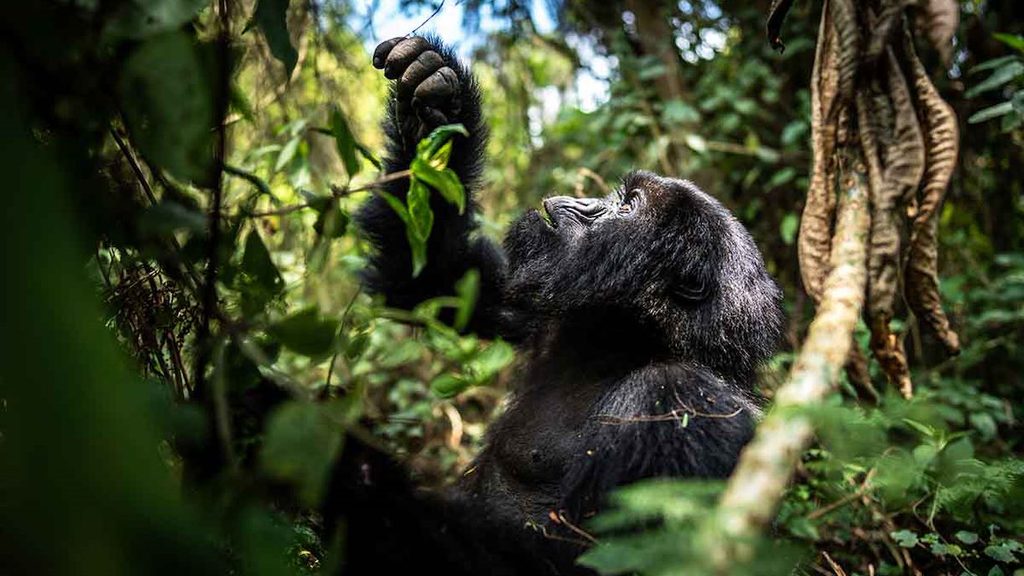
Table of Contents
What Is Volcanoes National Park?
The park is Rwanda’s most famous protected area. It lies in the northwest, close to the town of Musanze. It protects the Rwandan section of the Virunga Massif, a chain of volcanic mountains.
The landscape changes as you climb. Montane forest gives way to bamboo, then grassland, swamp, and heath. Each zone shelters different wildlife, which makes Volcanoes National Park very varied.
The park is best known for mountain gorillas. It is also home to golden monkeys, forest birds, and many other species. Our Volcanoes National Park page gives a quick overview.
Why Visit the Park?
The park offers one of the most moving wildlife encounters on Earth. It is also compact, well organized, and easy to reach from Kigali. That is why so many travelers put Volcanoes National Park at the top of their list.
Here is what the park offers:
- Mountain gorillas. Rare, calm, and unforgettable to watch.
- Golden monkeys. Playful primates found in the bamboo forest.
- Volcano hikes. Choose a gentle walk or a serious climb.
- Short transfers. The park is a few hours from Kigali.
- Rich scenery. Mist, volcanic cones, and green terraces.
For a wider look at primate trips, see our Primates page. You can also browse our Gorilla Trekking Safaris. The park rewards both first-timers and repeat visitors, from honeymooners to keen hikers.
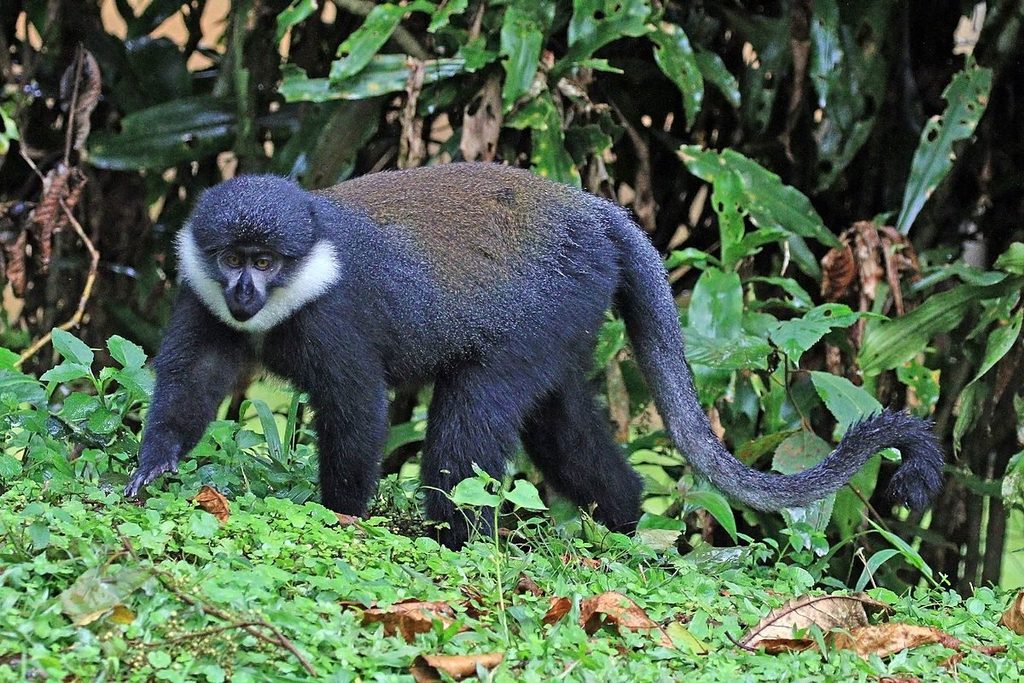
7 Amazing Things to Do in Volcanoes National Park
These seven activities show the range of Volcanoes National Park. Gorilla trekking is the headline, but it is not the only reason to visit.
1. Mountain Gorilla Trekking
Gorilla trekking is the main attraction of the park. You start with a briefing, then walk with rangers and trackers. Trails can be steep, muddy, and slippery.
Once you find a gorilla family, you watch quietly for about an hour. You may see feeding, play, mothers with infants, and silverbacks. It is the highlight of any trip to the park.
Permits are limited and sell out in busy months. Book early so your dates in the park are secure.
2. Golden Monkey Trekking
Golden monkeys live in the bamboo and montane forests of the Virunga area. They are lively, quick, and fun to photograph. Treks are usually shorter and easier than gorilla treks.
This is a good add-on if you have an extra day. It pairs nicely with gorilla trekking in Volcanoes National Park. The permit costs far less than a gorilla permit.
3. Dian Fossey Hike
Dian Fossey studied mountain gorillas in these mountains. Her research camp, Karisoke, was set up in 1967. The hike leads toward the site of her camp and her grave.
It is a good option for travelers who want history as well as scenery. It is also a steady walk, so wear proper boots. Many visitors add it to their itinerary.
You can learn more about her legacy through the Dian Fossey Gorilla Fund.
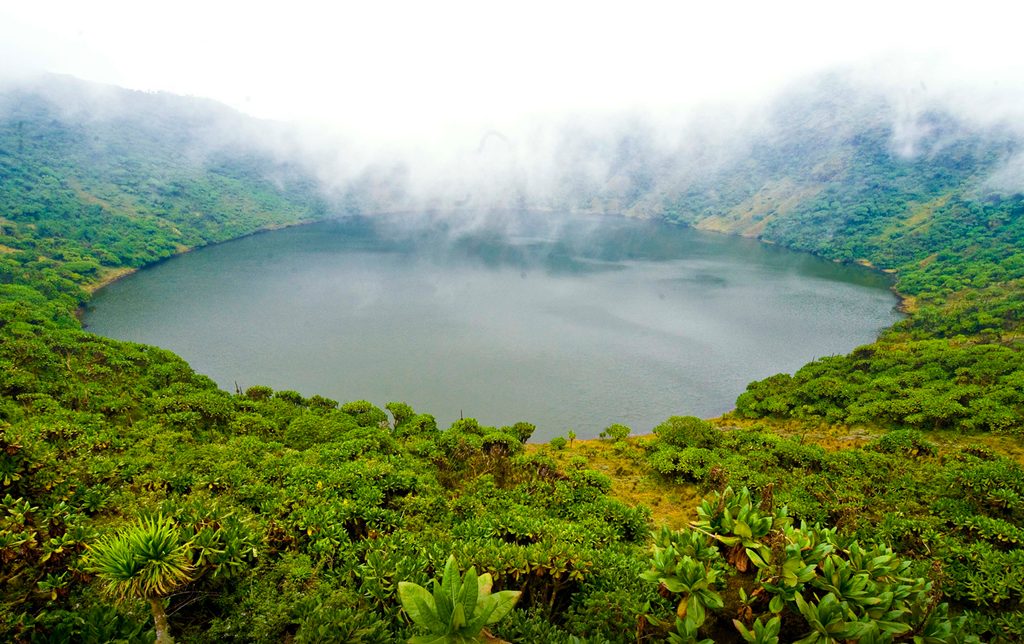
4. Mount Bisoke Crater Lake Hike
Mount Bisoke is a popular volcano hike in the park. It is known for a crater lake near the summit. The climb is steep and can be cold and wet.
Start early, carry rain gear, and go slowly. The views make the effort worthwhile. It is one of the best active choices in the park.
5. Mount Karisimbi Climb
Karisimbi is the highest Virunga volcano on the Rwandan side. It rises to about 4,507 meters. The climb is a serious, multi-day trek for fit hikers.
It is far more demanding than gorilla trekking. The permit is also much higher. Ask your guide whether it suits your fitness before you plan a Volcanoes National Park climb.
6. Musanze Caves and Buhanga Eco-Park
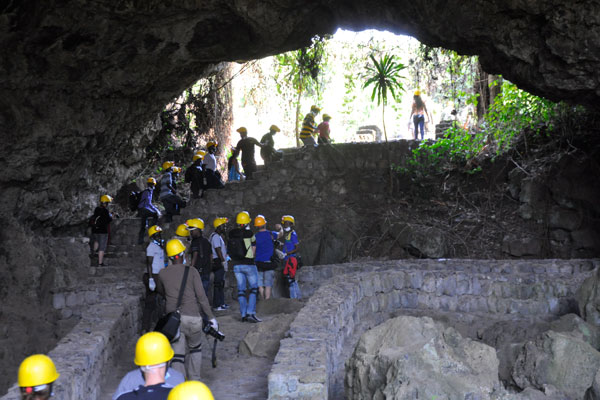
Near the park, you can explore the Musanze Caves. These lava tunnels formed in the volcanic landscape. They make a good half-day outing.
Buhanga Eco-Park is an ancient forest tied to local folklore. It is a calm, shady place for a gentle walk. Both stops add variety to a stay.
7. Birdwatching and Cultural Visits
The park is a strong birding area. You can spot montane and Albertine Rift species in the forest. Bring binoculars and a good field guide.
Cultural visits are also popular around Volcanoes National Park. You can meet local communities and see village life. Our culture, coffee and community experiences page shows more ideas.
A Day on the Trail
Knowing the routine makes a day in the park feel easy. It follows the same simple pattern for most visitors.
- Arrive early. Gather at the park headquarters for registration.
- Attend the briefing. Rangers explain the rules and assign your group.
- Drive to the trailhead. Vehicles take you to the start of your walk.
- Walk through farmland and forest. The first stretch often crosses village fields.
- Meet the family. You spend about an hour with the animals.
- Walk back and celebrate. Many lodges mark the day with a meal.
Groups are small, with a limited number of visitors per gorilla family. Treks can last from under an hour to most of a day. That range is part of the adventure in the park.
Fitness matters less than patience. A steady pace and good boots are the real keys. Porters are available at the park if you want extra help.
Wildlife and Landscape
Gorillas and golden monkeys are the stars of Volcanoes National Park. But the park holds far more than primates. Forest birds, small mammals, and rare plants all live here.
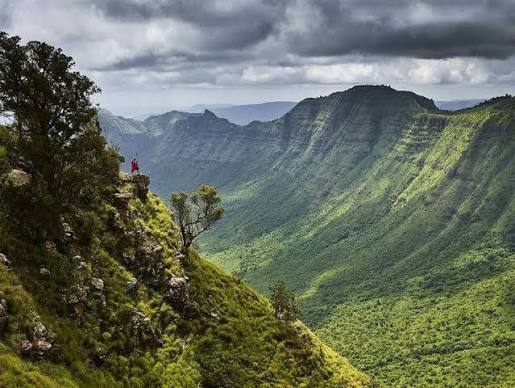
The scenery changes with altitude. Farmland meets the park boundary. Above it, dense forest, bamboo, and open slopes rise toward the peaks.
Mist often wraps the volcanoes in the morning. It clears slowly, and the cones appear one by one. These views make the park a photographer’s favorite.
The park is part of the wider Virunga region. This area spans Rwanda, Uganda, and the Democratic Republic of the Congo. Protecting it matters for the whole region, which is why Volcanoes National Park fees support conservation.
Where to Stay
Most visitors sleep in or near Musanze. Lodges range from comfortable mid-range stays to luxury forest retreats. Choose by budget, style, and distance from the trailhead.
Luxury lodges offer fireplaces, views, and personal service. Mid-range lodges offer good value and friendly staff. Both put you close to the park for an early start.
Book your lodge when you book your permit. Rooms near the park fill quickly in peak months. Our itineraries arrange accommodation for you, so you do not have to compare dozens of options.
If you want a more indulgent trip, consider our 7-day Rwanda Luxury Discovery. It pairs comfortable lodges with the main highlights of the park. Ask us about the right stay for your style.
Permit Costs
Permit prices are the biggest cost in Volcanoes National Park. Fees below are for foreign non-residents and are reported for 2026. Please confirm current rates before you book.
- Gorilla trekking: US$1,500 per person
- Golden monkey trekking: US$100 per person
- Dian Fossey hike: US$75 per person
- Mount Bisoke hike: US$75 per person
- Mount Karisimbi climb: US$400 per person
Permits are limited to about 96 per day for gorillas. The minimum age for gorilla trekking is 15 years. Permits are separate from lodging, transport, and meals.
Compare this with Uganda, where gorilla permits cost US$800. Rwanda costs more, but the park is easier to reach. That convenience is a strong reason to choose the park.
Our 8-day Ultimate Rwanda Safari starts from US$5,950. It includes the gorilla permit and park fees. Always compare quotations by what they include.
Volcanoes National Park vs Bwindi
Many travelers ask whether to trek in Rwanda or Uganda. Both are superb, and both protect mountain gorillas. The choice usually comes down to budget and time.
The park is closer to its capital and easier to reach. Bwindi offers a lower permit price and a wilder, denser forest. See our Bwindi Impenetrable National Park page to compare.
Choose Volcanoes National Park if you have limited days. Choose Bwindi if you want to save on permits. Many travelers happily visit both and compare the two for themselves.
Best Time to Visit
The park is open all year. The drier months are easier for trekking. These are June to September and December to February.
Permits sell out early in those months. Book 60 to 90 days ahead if you can. Plan early so the park fits your dates.
Rain is possible at any time, because this is a high-altitude rainforest. Trails are muddy in wet months, but the forest is green. Prices and crowds are often lower outside peak periods.
November is often described as a good low-season month. Waterproof gear matters more than the calendar. Pack well and the park works in any season.
How to Get There
Most visitors fly into Kigali. From there, Volcanoes National Park is a drive of about two to three hours north. The road is paved and scenic.
Many travelers stay near Musanze before their trek. This lets you reach the park headquarters early. Treks begin with a morning briefing.
Visitors from Uganda can also cross into Rwanda by road. Check border and visa rules before you travel. We can arrange private transfers to the park from Kigali or the border.
Learn more about Kigali City before you head north. It makes a good start or finish to a Rwanda journey.
Sample 8-Day Route Including Volcanoes National Park
Here is how our 8-day Rwanda route flows. It includes gorilla trekking in Volcanoes National Park on Day 3.
- Day 1: Arrive in Kigali. Airport pickup and an overnight in the city.
- Day 2: Kigali to Volcanoes. A cultural experience, then a drive north.
- Day 3: Gorilla trekking. A ranger briefing and a trek in the park.
- Day 4: Volcanoes to Akagera. A long drive across to the east.
- Day 5: Akagera. Morning and afternoon game drives.
- Day 6: Boat safari and Nyungwe. A Lake Ihema boat safari, then a drive to Nyungwe.
- Day 7: Chimpanzee trekking. Chimp tracking in Nyungwe Forest.
- Day 8: Return to Kigali. Transfer to the airport or hotel.
Prefer something more luxurious? See our 7-day Rwanda Luxury Discovery. Both routes feature the park as the starting highlight.
Combining the Park With Other Parks
The park works well on its own and as part of a longer trip. Rwanda is small, so combinations are easy.
- With Akagera. Add savannah game drives and a boat safari for the Big Five story.
- With Nyungwe. Add chimpanzees, canopy views, and rainforest walks.
- With Lake Kivu. Add a relaxing lakeside finish.
- With Uganda. Pair gorillas with Kibale chimps and Queen Elizabeth game drives.
Learn more about Akagera National Park and Nyungwe National Park. You can also read about Gishwati-Mukura National Park. See our 5-day Nyungwe Chimpanzee, Canopy & Tea Safari for a forest-focused option.
For a three-country idea, read our East Africa Safari Itinerary. Volcanoes National Park is usually the first big highlight on such routes.
What to Pack
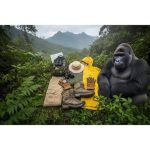
Packing well makes the park far more comfortable. Consider these essentials:
- A waterproof jacket for sudden rain
- Sturdy hiking boots with good grip
- Long trousers and long sleeves for stinging plants
- Gardening-style gloves for steadying yourself on vines
- Gaiters for muddy trails
- A small daypack and a refillable water bottle
- A warm layer for cool altitude
- A camera with good low-light settings
Pack light for the park, since porters are available. Hiring a porter helps the local community and eases the climb.
Rules and Health Tips
Rules protect both you and the animals. Rangers brief every group before the walk. Following them keeps the park safe.
- The minimum age for gorilla trekking is 15 years
- Visitors who feel unwell should not trek
- Keep your voice low and your movements calm
- Do not eat or drink near the animals
- Keep the distance your ranger tells you
- Never touch or feed wildlife
Gorillas can catch human illnesses. That is why sick visitors are asked to stay behind. Masks are often required near the group.
Respecting these rules is part of visiting Volcanoes National Park. It keeps the animals healthy for the next visitors.
Responsible Travel
Permit fees help protect the forest and support nearby communities. Responsible habits make a real difference in the park.
- Choose lodges and guides who follow park rules
- Buy crafts directly from local makers
- Take all litter out with you
- Hire local porters and guides
- Ask permission before photographing people
Never ask a guide to break the rules for a better photo. Close contact raises the risk of passing on disease. Good habits keep the park special for years.
Mistakes to Avoid
A few simple errors can spoil a visit to the park. They are easy to avoid with a little planning.
- Booking late. Permits for Volcanoes National Park sell out in busy months.
- Wearing new boots. Blisters ruin long muddy walks.
- Skipping rain gear. Showers arrive without warning.
- Packing too much. Heavy bags tire you before the trek begins.
- Expecting guarantees. Wildlife moves, and each day in the park is different.
Stay flexible and listen to your ranger. A calm mindset makes the park far more enjoyable.
Tips for Visiting
A few habits make the park smoother.
- Book permits early, especially in peak months
- Arrive on time for the briefing
- Wear boots that are already broken in
- Keep camera gear light and dry
- Allow a buffer day in case plans change
- Ask your guide about gorilla family names
Be patient on the trail. Some treks are quick, and others take hours. Volcanoes National Park rewards calm, flexible travelers.
You can browse our Rwanda National Parks page for the full picture.
A note on altitude. The trails climb through cool, thin air. Walk slowly and drink water often. Rest breaks are normal and expected.
A note on tipping. Tips for rangers, trackers, and porters are not included in most packages. Carry small notes in local currency. Ask your guide what is customary before you set out.
A note on photography. Forest light is dim, and the animals move. A fast lens and spare batteries help. Put the camera down for a few minutes and simply watch.
Who Is It For?
The park suits most active travelers. Gorilla lovers and photographers enjoy it most. Couples and honeymooners enjoy the quiet lodges.
Fit hikers can add volcano climbs. Families with teens can join gorilla treks from age 15. It is less suited to anyone who cannot walk on uneven ground.
If you are exploring ideas, read our guide to best Africa safari circuits. It shows where the park fits among other routes.
Frequently Asked Questions
What is the park known for? It is known for mountain gorillas, golden monkeys, and volcano hikes in northwestern Rwanda.
How much is a gorilla permit in Volcanoes National Park? It costs US$1,500 per person for foreign non-residents.
What is the best time to visit the park? The drier months, June to September and December to February, are generally easiest.
What is the minimum age for gorilla trekking in the park? Visitors must be at least 15 years old.
How far is the park from Kigali? It is about two to three hours by road.
Plan Your Volcanoes National Park Trip
Volcanoes National Park gives you gorillas, golden monkeys, and misty mountain scenery. From a quiet forest trek to a crater-lake climb, every day offers something new. Good planning keeps the whole journey smooth, safe, and rewarding from your first day to your last.
Ready to plan your Volcanoes National Park trip? Speak with Nabigaga Tours & Travel to build a journey around your dates, interests, and budget.
Contact us now to get a free quote