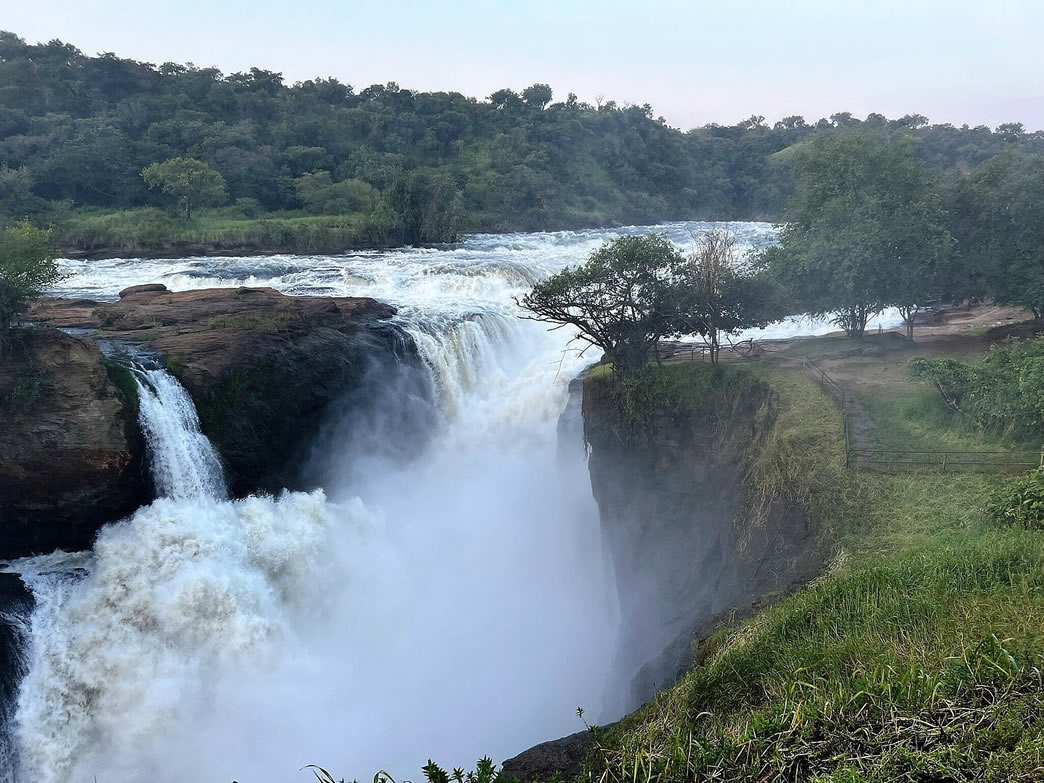
Murchison Falls National Park is where the mighty Nile squeezes through a narrow gorge and thunders downward in a roaring plume of spray. It is also Uganda’s largest national park, packed with elephants, giraffes, lions, hippos, and crocodiles. Few safari destinations combine a great waterfall and big game so neatly.
This complete safari guide covers everything you need to plan a trip to Murchison Falls National Park in 2026.
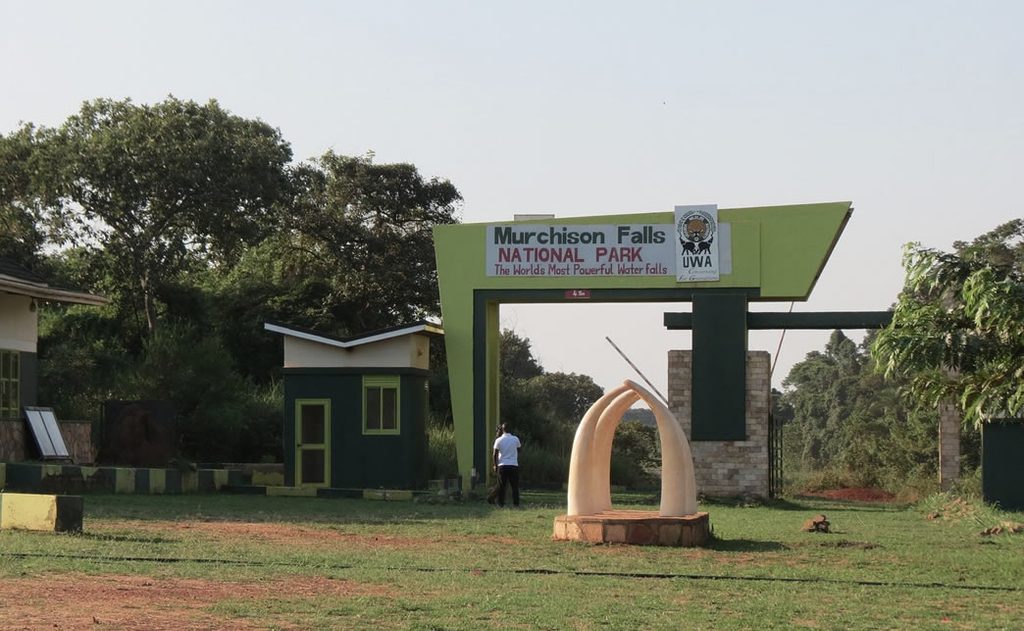
Table of Contents
What Is Murchison Falls National Park?
Murchison Falls National Park is Uganda’s largest and oldest protected area. It covers roughly 3,893 square kilometers of savannah, woodland, and riverbank in the country’s northwest. The area was first gazetted as a game reserve in 1926 and became a national park in 1952.
The park takes its name from the waterfall at its heart. Explorer Sir Samuel Baker named the falls in 1864 after Sir Roderick Murchison, then president of the Royal Geographical Society. Today the falls are also widely known by their Ugandan name, Kabalega Falls.
Here the Victoria Nile is forced through a gap only about seven meters wide. The water then plunges more than 40 meters in a violent cascade. That raw power is why Murchison Falls National Park is often called home to one of the most powerful waterfalls in the world.
Where Is Murchison Falls National Park Located?
Murchison Falls National Park sits in northwestern Uganda, where the Victoria Nile flows toward Lake Albert. The Nile splits the park into two sections: a northern savannah sector and a southern sector with forest and woodland. Most wildlife viewing happens on the northern bank.
The drive from Kampala is roughly 300 kilometers. Most travelers allow around five to six hours by road, including a stop for lunch. The park can also be reached by a short domestic flight to a nearby airstrip.
A small vehicle ferry crosses the Nile at Paraa, linking the two sectors. Paraa is the park’s main tourism hub, with a launch dock for boat cruises. Park gates generally close at 7:00 p.m., so plan your daily movements accordingly.
6 Best Things to Do in Murchison Falls National Park
The park rewards travelers who mix land and water activities. Here are six experiences that define a visit to Murchison Falls National Park
1. Nile Boat Cruise to the Falls
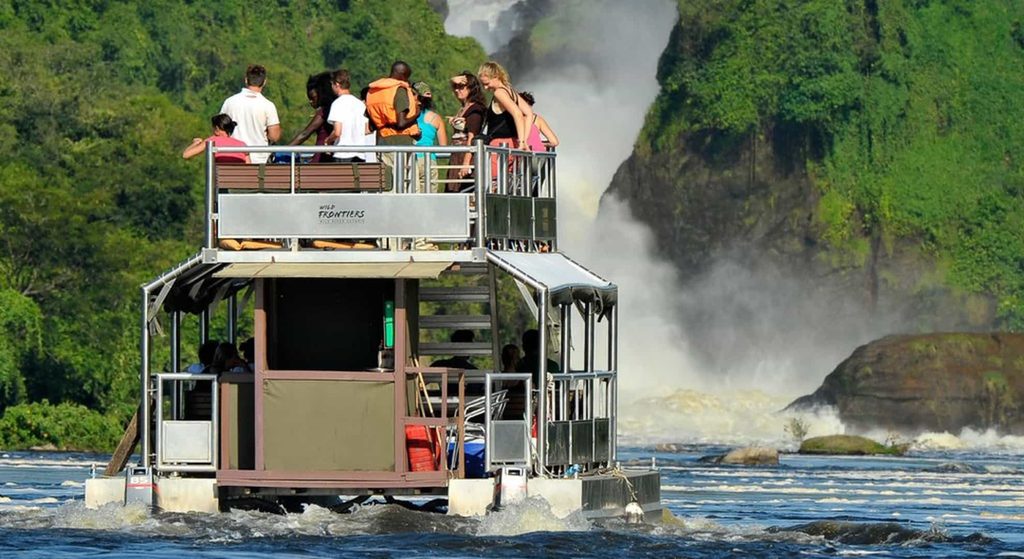
The launch cruise from Paraa to the base of the falls is the signature activity in Murchison Falls National Park. It runs about three hours, with morning departures around 8:00 a.m. and afternoon departures around 2:00 p.m. Both are operated daily, and the Uganda Wildlife Authority runs the most affordable option.
Along the banks you can expect hippos, Nile crocodiles, elephants, and buffalo coming down to drink. Birdlife is abundant, including African fish eagles and red-throated bee-eaters. The afternoon trip usually offers softer light for photography.
2. Hike to the Top of the Falls
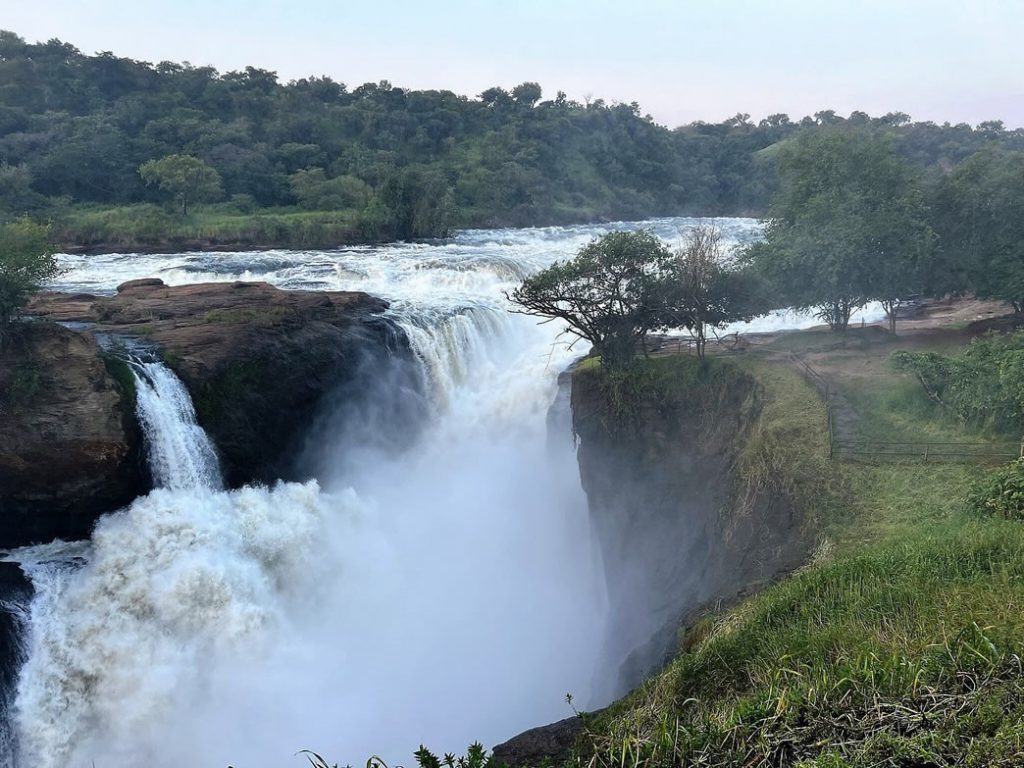
Many visitors disembark from the boat and hike up to the top of the falls. The trail is steep in places, but it ends at a viewpoint right beside the gorge. Standing there, you feel the ground tremble as the Nile roars through.
Wear closed shoes and apply insect repellent, since tsetse flies can be active along the path. The hike is short and manageable for most reasonably fit travelers. Your guide will arrange a vehicle pickup after the hike.
3. Game Drives
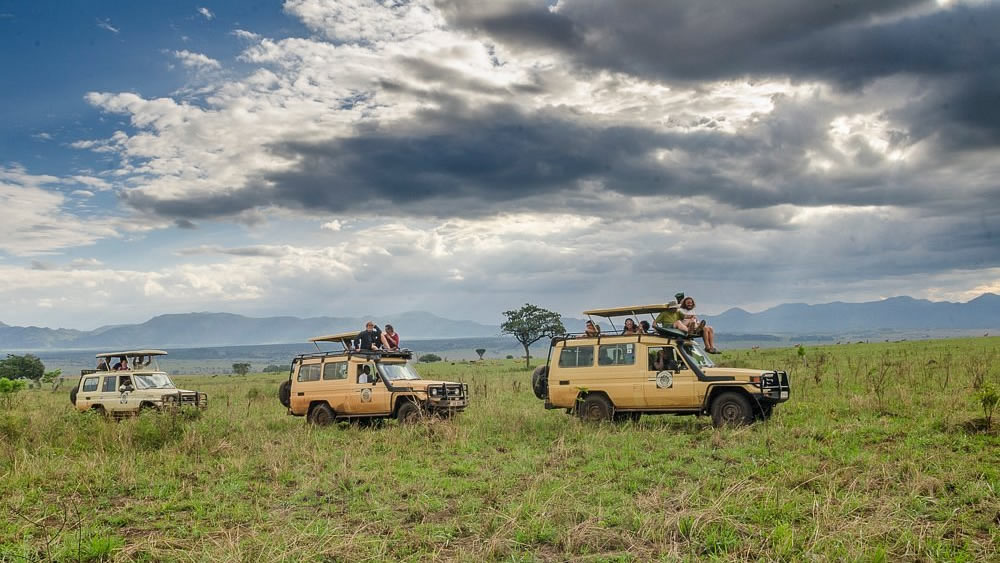
Game drives in Murchison Falls National Park take place mainly in the northern sector. You cross the Nile by ferry, then drive through open savannah toward the delta area. Early morning and late afternoon drives are usually the most productive.
Common sightings include Rothschild’s giraffes, elephants, buffalo, and Jackson’s hartebeest. Lions and leopards are present, though they take more patience to find. A knowledgeable driver-guide makes a real difference on these drives.
4. Delta Cruise and Shoebill Spotting
A separate boat trip explores the Nile delta where the river meets Lake Albert. These cruises typically depart early, around 7:00 a.m. They are especially popular with birdwatchers.
The main prize is the shoebill, a prehistoric-looking bird that stands motionless in the papyrus marshes. Sightings are never guaranteed, but the delta gives you a strong chance. Murchison Falls National Park is one of Uganda’s best places to look for this rare species.
5. Chimpanzee Tracking
The forested southern area near Kaniyo Pabidi offers chimpanzee tracking. It adds a primate experience to what is otherwise a savannah-focused destination. Sightings depend on chimp movements, so expectations should stay flexible.
This activity suits travelers who want to combine wildlife viewing with a forest walk. It also pairs well with a longer Uganda circuit that includes gorilla trekking. Ask your operator about current availability and permit rates.
6. Birdwatching
Murchison Falls National Park is a rewarding birding destination throughout the year. Riverbanks, savannah, and woodland each host different species. Highlights include the shoebill, African skimmer, piapiac, and colorful bee-eaters.
The boat cruises double as excellent birding platforms. Bring binoculars and a field guide if you are keen. Dedicated birding guides can add real depth to the experience.
Wildlife in Murchison Falls National Park
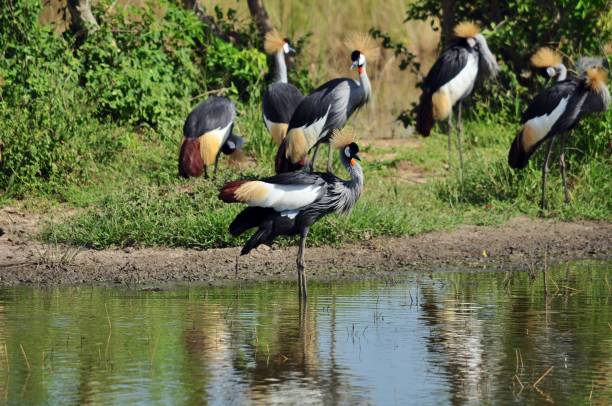
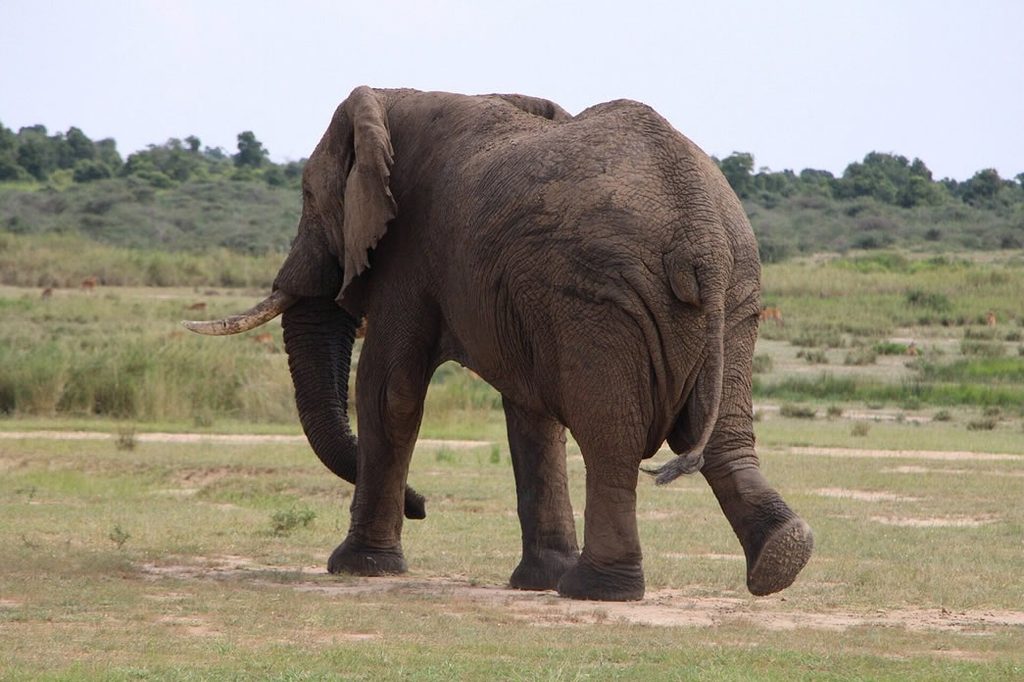
Wildlife viewing is the second major draw after the falls. Murchison Falls National Park supports large numbers of elephants, buffalo, hippos, and crocodiles. It also hosts Rothschild’s giraffes, a subspecies found in only a few places.
Lions and leopards live in the park as well. They are more elusive than in some savannah parks, so sightings are a bonus. Antelope such as Uganda kob, oribi, waterbuck, and hartebeest are commonly seen.
The park is often described as having four of the Big Five. Rhinos are absent here, but you can see them at Ziwa Rhino Sanctuary. That stop fits neatly into the drive from Kampala.
The Nile itself is a wildlife highway inside Murchison Falls National Park. Large pods of hippos crowd the shallows, while crocodiles bask on the sandbanks. Waterbirds line the shore, making every stretch of river worth watching.
Best Time to Visit Murchison Falls National Park
Murchison Falls National Park can be visited all year. The dry seasons, roughly December to February and June to September, are generally best. Animals gather near the river, and roads are easier to drive.
The wetter months, typically March to May and October to November, bring lush scenery. Rain can make some tracks slippery and game drives slower. Prices are often lower and the park is quieter.
Boat cruises are rewarding in every season. Waterfall volume is impressive year-round. Choose your dates based on budget, crowds, and your tolerance for rain
How Murchison Falls National Park Compares With Other Uganda Parks
Uganda has several excellent safari parks, and each offers something different. Murchison Falls National Park stands out for its waterfall and river-based activities. No other Ugandan park combines a dramatic cascade with a Nile boat cruise.
Queen Elizabeth National Park is known for the Kazinga Channel and tree-climbing lions in the Ishasha sector. Kidepo Valley National Park is far more remote, with wide open landscapes and fewer visitors. Bwindi Impenetrable National Park is the place for gorilla trekking, not classic savannah game drives.
Murchison Falls National Park is the easiest of the big savannah parks to reach from Kampala. That makes it a strong choice for shorter trips. It also fits neatly into a longer circuit alongside Kibale, Queen Elizabeth, and Bwindi.
How Much Does Murchison Falls National Park Cost?
Costs vary by nationality, season, and accommodation level. Park entry for foreign non-residents was most recently published at around US$45 per adult, valid for 24 hours. East African citizens pay a much lower local rate, and young children pay reduced fees or none.
Activity costs are separate from entry. The Nile boat cruise typically runs about US$35 to US$45 per person for international visitors. Vehicle fees, guiding, meals, and lodging add to your total.
Fees change, so always confirm current rates with the Uganda Wildlife Authority or your operator before booking. A budget safari to Murchison Falls National Park is possible with camping or basic lodges. Luxury trips with premium lodges cost considerably morehttps://ugandawildlife.org/national-parks/.
How to Get to Murchison Falls National Park
Most travelers reach Murchison Falls National Park by road from Kampala or Entebbe. The route heads north through Luwero and Masindi before entering the park. Expect a full travel day if you are not flying.
A domestic flight to a nearby airstrip is faster. It suits travelers with limited time or those on higher-end itineraries. Your lodge can usually arrange the transfer from the airstrip.
Many drivers stop at Ziwa Rhino Sanctuary along the way. This breaks up the journey and adds a rhino encounter. It is a popular addition to any road-based trip.
Where to Stay in Murchison Falls National Park
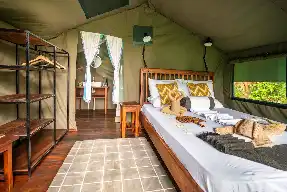
Accommodation around Murchison Falls National Park covers every budget. Options include campsites, rest camps, mid-range lodges, and luxury properties. Many sit on the Nile or overlook the savannah.
Staying near Paraa reduces morning travel time to the launch dock. Lodges on the northern bank make early game drives easier. Booking ahead is wise during the dry season.
Choose a base that fits your activity plan. If boat cruises are your priority, stay close to Paraa. If game drives matter most, consider a northern-bank lodge.
How Many Days Do You Need in Murchison Falls National Park?
Two nights is the practical minimum for Murchison Falls National Park. That allows for one boat cruise and one game drive. It also keeps the trip rewarding despite the long drive from Kampala.
Three nights is the sweet spot for most travelers. It gives you time for the falls hike, a delta cruise, and a relaxed pace. Adding a fourth night allows chimpanzee tracking or extra game drives.
Consider combining the park with other Ugandan destinations. It pairs naturally with Kibale, Queen Elizabeth, and Bwindi. A longer circuit spreads the cost of getting to Uganda across more experiences.
What to Pack for Murchison Falls National Park
Good packing keeps you comfortable on long drives and boat trips. Consider these essentials for Murchison Falls National Park:
- Neutral-colored clothing for game drives
- Closed, sturdy shoes for the hike to the top of the falls
- A hat, sunglasses, and sunscreen for the sun on the water
- Insect repellent, especially for tsetse flies near the falls
- Binoculars and a camera with spare batteries
- A light rain jacket for sudden showers
- A refillable water bottle
Tips for Visiting Murchison Falls National Park
A few simple habits make the trip smoother. Follow these tips when visiting Murchison Falls National Park:
- Start game drives early, when animals are most active
- Book the afternoon cruise if photography is a priority
- Keep your park entry receipt handy, since it is valid for 24 hours
- Book accommodation ahead during the dry season
- Respect wildlife distances and follow your guide’s instructions
- Carry small cash for tips and snacks
- Ask your guide about current conditions on the roads inside Murchison Falls National Park
Frequently Asked Questions
Is Murchison Falls National Park worth visiting? Yes, it combines a powerful waterfall, Nile cruises, and reliable big game in one park.
How long is the boat cruise? The launch trip from Paraa to the base of the falls takes about three hours.
Can you see all of the Big Five? No, rhinos are absent, but Ziwa Rhino Sanctuary on the route offers rhino viewing.
Is Murchison Falls National Park safe? Yes, with a licensed guide and standard safari precautions, visits are safe and well managed.
Can I visit Murchison Falls National Park as a day trip from Kampala? It is technically possible, but the drive is long, so an overnight stay is far more rewarding.
Is Murchison Falls National Park suitable for families? Yes, boat cruises and game drives suit most ages, though the falls hike is better for older children.
What is the best month to go? Dry months from December to February and June to September are generally the most comfortable.
Plan Your Murchison Falls National Park Safari
Murchison Falls National Park rewards visitors with raw natural power, wide savannah, and remarkable river wildlife. From the boat ride beneath the falls to a quiet hour watching giraffes at dawn, every day offers something new. The right planning makes all the difference.
Ready to explore Murchison Falls National Park? Speak with Nabigaga Tours & Travel to build a personalized safari around your dates, budget, and interests.
Contact us now to get a free quote
Related packagesCheckout