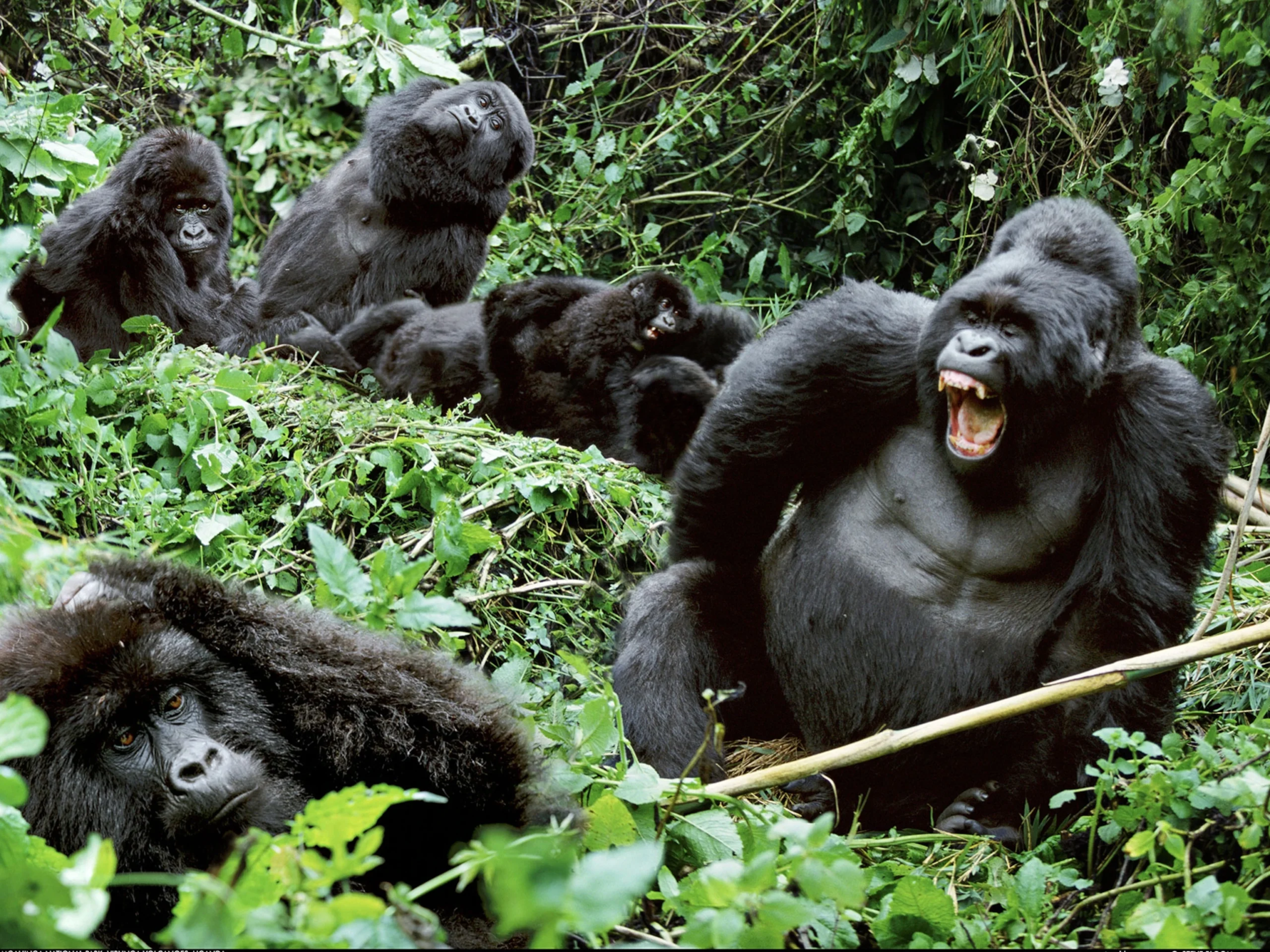
Gorilla Habituation Uganda offers 4 hours with wild mountain gorillas in Bwindi’s forest. Discover permits, costs, and how to book this rare wildlife adventure.
Table of Contents
What Is Gorilla Habituation?
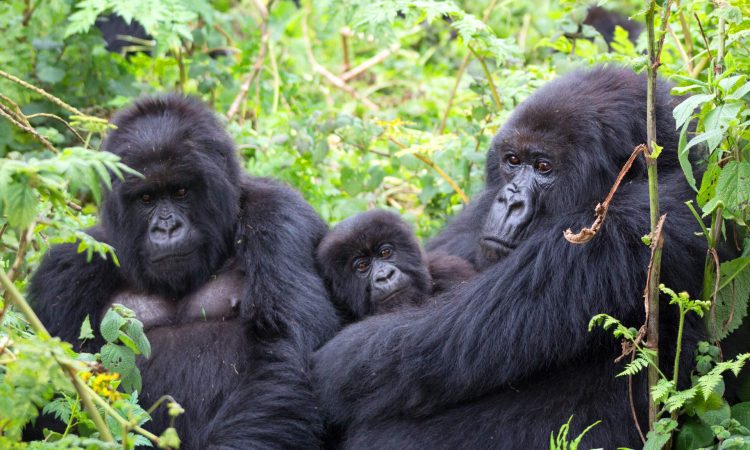
Gorilla Habituation Uganda is a rare wildlife program. It lets travelers join the process of preparing wild gorillas for tourism. Rangers, researchers, and trackers walk with a semi-wild family every single day.
Visitors follow this team through the forest. You are not just viewing gorillas from a distance. You are watching real trust being built between two different species over time.
This program is slower than a typical safari stop. It feels closer to fieldwork than sightseeing. That difference is exactly why so many travelers now search for it by name.
Only Uganda offers this specific program at scale. Rwanda and the Democratic Republic of Congo run standard trekking only. That makes Gorilla Habituation Uganda a genuinely unique product on the continent.
Gorilla Habituation Uganda vs Standard Trekking
Most visitors already know about standard gorilla trekking. It gives you one hour with a fully habituated family. That hour begins once rangers locate the group in the forest.
Gorilla Habituation Uganda works differently. It grants up to four hours with a semi-habituated family. These gorillas are still adjusting to human presence, so their behavior feels less rehearsed.
Here is a simple comparison of both options:
| Feature | Standard Trekking | Gorilla Habituation Uganda |
|---|---|---|
| Time with gorillas | 1 hour | Up to 4 hours |
| Group size | Up to 8 guests | 4 guests only |
| Gorilla families | Fully habituated | Semi-habituated |
| Permit price (2026) | $800 | $1,500 |
| Location | Multiple sectors | Rushaga sector only |
The smaller group size matters more than people expect. It means quieter forest walks. It also means better photographs and a far more personal connection with the family you visit.https://ugandawildlife.org/uwa-rates/
Where the Experience Takes Place
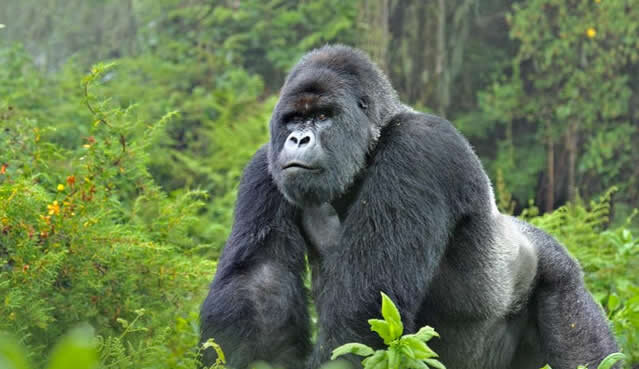
Gorilla Habituation Uganda happens in one specific location. That location is the Rushaga sector, inside Bwindi Impenetrable National Park. Bwindi sits in southwestern Uganda, close to the borders of Rwanda and the Democratic Republic of Congo.
Rushaga is known for steep hills and thick vegetation. It hosts several gorilla families used for both research and tourism. Two of those families are reserved specifically for the habituation program.
Only eight permits are issued per day for this activity. Two groups take four guests each. This tiny number is exactly what makes Gorilla Habituation Uganda feel exclusive.
Demand for these permits is high year-round. They sell out quickly during peak travel months. Planning ahead is not optional if this experience is on your list.
Permit Costs and What They Cover
Pricing is one of the most common questions from travelers. As of 2026, a standard gorilla trekking permit costs $800 per person. It drops to around $600 during the low season months of April, May, and November.
A Gorilla Habituation Uganda permit costs more than standard trekking. It is priced at $1,500 per person for foreign non-residents. Foreign residents and African citizens pay reduced rates, while East African citizens pay a lower rate in Ugandan shillings.
This higher price reflects the smaller group size and the longer time spent in the forest. It also funds conservation research and community programs around Bwindi. A meaningful share of every permit fee supports schools and clinics near the park.
Your permit fee generally covers park entry, ranger guidance, and armed security along the trail. It does not usually cover transport, lodging, meals, or porter fees. Budget separately for those extras when planning your trip.
Permit prices are reviewed periodically by the Uganda Wildlife Authority. Rates have shifted before and may shift again. Always confirm the current rate with your operator before finalizing payment.Gorilla Trekking Safaris
How to Book Your Permit
Booking directly with the Uganda Wildlife Authority is possible for some visitor categories. However, most foreign travelers now book through licensed tour operators instead. This route is often simpler and, in many cases, required.
A good operator handles far more than the permit itself. They arrange transport to Bwindi, comfortable lodging, and an experienced guide for the trek. They also help you choose the right sector and travel dates.
Follow these steps when booking:
- Choose your travel dates as early as possible.
- Confirm permit availability for the Rushaga sector.
- Pay the required deposit to secure your spot.
- Arrange lodging near Bwindi for the night before your trek.
- Reconfirm your booking a few weeks before departure.
Peak season runs from June through September and again from December through February. Booking six to ten months ahead is strongly recommended during these busy months.Activity – Primates
What Happens on the Day
Your day begins early, often before sunrise. Guests gather at the park headquarters for a mandatory briefing. Rangers explain safety rules and forest etiquette before anyone enters the trail.
You are placed into a small group of no more than four people. A team of guides, trackers, and armed rangers accompanies every group. The walk into the forest can take anywhere from thirty minutes to several hours.
Once the gorilla family is located, the real experience begins. You watch how researchers and trackers interact with the group. You observe feeding, resting, and social behavior from a respectful distance.
Because the gorillas are only semi-habituated, reactions vary from visit to visit. Some individuals glance at guests with mild curiosity. Others ignore the group entirely and continue foraging as if nobody is there.
After up to four hours, your group heads back toward the trailhead. Most guests describe the return walk as tiring but genuinely rewarding.
Where to Stay Near Bwindi
Rushaga has a growing number of lodges suited to different budgets. Budget travelers can find simple guesthouses within a short drive of the trailhead. Mid-range lodges offer comfortable rooms with forest or valley views.
Luxury travelers have several high-end options as well. Many of these lodges include guided nature walks and cultural visits as part of the stay. Booking early is wise, since rooms near Rushaga fill up during peak season.
Staying close to the trailhead reduces early-morning travel stress. It also gives you extra time to rest before the physical demands of the trek ahead.
Fitness, Packing, and Health Tips
Bwindi’s terrain is steep and often muddy underfoot. A moderate level of fitness helps you enjoy the walk rather than struggle through it. Regular walking or light hiking beforehand is good preparation.
Pack light, but pack smart. Bring sturdy hiking boots, a waterproof jacket, and gardening gloves for gripping vegetation along the trail. A walking stick, often offered free at the trailhead, proves genuinely useful on steep sections.
Other useful items include:
- Long trousers and long sleeves for protection against nettles and insects.
- A daypack with water bottles and high-energy snacks.
- A camera with a fully charged battery and spare memory card.
- A basic first-aid kit and any personal medication.
Porters are available to carry bags for a small fee at the trailhead. Hiring one also puts money directly into the local community. A yellow fever vaccination certificate is required for entry into Uganda, so check this requirement well before travel.
Best Time to Go
Uganda’s dry seasons offer the easiest trekking conditions overall. These run from June to September and again from December to February. Trails are less muddy, and the walk generally feels less strenuous.
The wetter months bring lush green scenery and noticeably fewer crowds. Some experienced travelers actually prefer this quieter period. Rain gear becomes essential, though, since showers can arrive without much warning.
Whichever season you choose, book your Gorilla Habituation Uganda permit early. Only eight permits exist per day, and they disappear fast regardless of the month.
Conservation Impact
Mountain gorillas remain an endangered species, with only a limited global population left in the wild. Tourism revenue plays a direct role in protecting their remaining habitat. Every permit sold helps fund rangers, anti-poaching patrols, and veterinary monitoring.
A portion of permit fees also supports nearby communities directly. This funding builds schools, clinics, and clean water projects around Bwindi. Local support for conservation grows stronger when communities see tangible benefits.
Choosing this experience means your visit contributes to something larger than a single trip. It supports an ongoing effort to keep mountain gorillas safe for future generations.
Local guides and trackers often grew up near the park boundary. Many were once involved in activities that threatened wildlife before conservation jobs became available. Steady tourism income has shifted incentives across entire communities.
Researchers also rely on habituation data collected during these treks. Notes on health, behavior, and group dynamics feed into long-term monitoring programs. Your presence, in a small way, supports science as much as tourism.
Uganda Compared to Rwanda
Rwanda’s Volcanoes National Park offers only standard one-hour trekking. Its permits cost $1,500 per person, the same price as Uganda’s four-hour option. That price gap alone makes Uganda a stronger value for serious wildlife travelers.
Uganda also has more habituated families spread across more sectors. This means more permit slots overall, even during busy months. Rwanda’s main advantage is a shorter drive from Kigali’s international airport.
Travelers chasing depth over convenience usually lean toward Uganda. Those short on time sometimes choose Rwanda instead. Both destinations protect the same endangered mountain gorilla population.
Photography Tips for Your Trek
Low light under the forest canopy can challenge even experienced photographers. A camera with strong low-light performance helps enormously here. Avoid flash photography, since it can startle the gorillas and disrupt the group.
Fast shutter speeds work well for capturing movement between shaded and sunlit patches. A lightweight zoom lens is often more practical than a bulky telephoto setup. Extra batteries matter, since cold, damp mornings drain power quickly.
Keep your camera accessible rather than buried in your bag. Gorillas often appear suddenly and move on just as fast. Being ready in the moment matters more than any specific piece of gear.
What Guests Often Say
Many past guests describe the four-hour window as the highlight of their entire Uganda trip. They mention the quiet forest, the smaller group, and the sense of genuine discovery. Few other wildlife encounters offer that same slow, unscripted feeling.
Some travelers compare it directly to standard trekking they did on an earlier trip. Most say the extra time changes the entire experience. Watching natural behavior unfold, rather than a brief scripted encounter, tends to leave a stronger impression.
Reviews consistently mention the physical challenge alongside the reward. Steep, muddy trails test your legs and lungs. Almost everyone agrees the effort was worth it once the gorilla family finally came into view.
Sample 3-Day Itinerary
Day 1: Arrive in Bwindi and settle into your lodge. Rest after the long drive from Entebbe or Kigali and prepare gear for the following day.
Day 2: Complete your Gorilla Habituation Uganda trek in the Rushaga sector. Spend up to four hours with a semi-habituated family, then return to your lodge for a well-earned rest.
Day 3: Enjoy a community walk or a visit to a local Batwa cultural experience. Depart Bwindi in the afternoon, or extend your stay with additional activities nearby.Checkout
Why It’s Worth the Effort
Four hours with a gorilla family is rare almost anywhere in the world. Few wildlife experiences offer this much uninterrupted time with a great ape. The connection formed during that window feels different from a typical safari stop.
This experience also supports something bigger than tourism itself. It funds conservation research that protects an endangered species from further decline. Every visitor becomes part of that ongoing effort simply by showing up.
For photographers, researchers, and serious wildlife lovers, this is often called a genuine bucket-list moment. It moves slower. It feels more intimate. It leaves a lasting impression long after the trip ends.
Frequently Asked Questions
Is this trek safe for beginners? Yes, as long as you are reasonably fit for a long walk. Rangers set the pace based on group ability, and breaks are given whenever they are needed.
How many people can join per group? Only four guests are allowed per gorilla family each day. Two families are used for this program, meaning eight total permits are available daily.
Do I need a visa to join this trek? Most foreign visitors need a Ugandan visa before arrival. Many travelers apply for the East Africa Tourist Visa instead, since it covers Uganda, Kenya, and Rwanda in one application.
What is the minimum age requirement? Visitors must be at least fifteen years old to join. This rule protects both guests and gorillas from health risks tied to younger children.
Can I combine this with standard gorilla trekking? Yes, many itineraries combine both activities across different days. This lets travelers compare the slower habituation walk with a standard one-hour trek directly.
What happens if it rains on trek day? Treks continue in light rain, since Bwindi is a rainforest and showers are common. Pack proper rain gear so weather does not ruin your day.
Can I get a refund if I miss my trek? Refunds are limited and depend on the reason for missing the date. Illness confirmed by a park doctor may qualify for a partial refund. Missed flights or late arrivals usually do not.
Is it safe to trek while pregnant? Pregnant travelers are generally advised against gorilla trekking of any kind. The physical demands and health protocols make it unsuitable during pregnancy. Check with your doctor and the park office beforehand.
Ready to Experience It Yourself?
Few adventures compare to standing near a wild gorilla family for four unhurried hours. Permits are limited, seasons shift, and small planning details matter. Getting them right makes all the difference between a rushed trip and an unforgettable one.
Nabigaga Tours and Travel can handle every step of your Bwindi journey. From permit booking to lodging and transport, their team makes the entire process simple and stress-free. Reach out to Nabigaga Tours and Travel today and start planning your own gorilla habituation adventure.












[…] Rushaga – Located in southern Bwindi and known for gorilla trekking as well as gorilla habituation experiences. […]