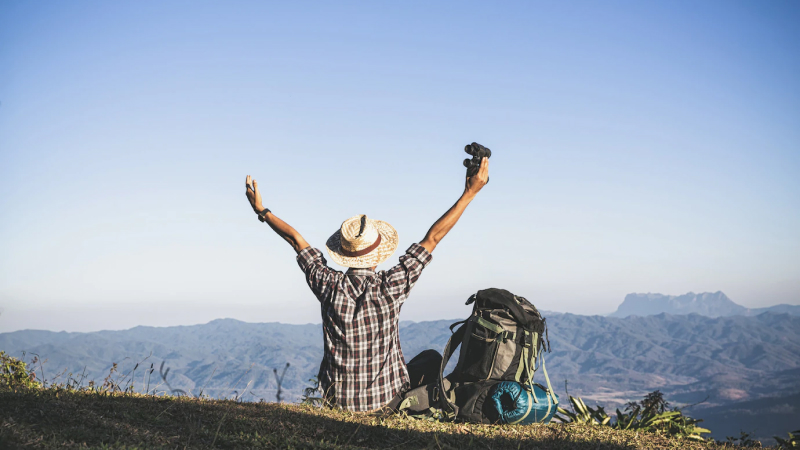

Culture and Coffee Experiences take travelers beyond the cup, into rituals, farms, and communities that reveal how the world truly connects.
Table of Contents
Culture and Coffee Experiences: The Best Guide
Coffee is more than a morning habit. In many parts of the world, it is a doorway into history, community, and daily life. This guide explores Culture and Coffee Experiences that bring travelers closer to how people live, gather, and celebrate together.
From quiet ceremonies to bustling city cafés, every region has its own way of turning a simple drink into something meaningful. This guide will walk through what these experiences look like, where to find them, and how to enjoy them the right way.
Whether you are a coffee lover or simply curious about global traditions, understanding this world will change the way you travel. Few things open a conversation with a stranger faster than a shared cup, and few habits reveal a place’s character so quickly.
What Are Culture and Coffee Experiences?
At their core, these experiences refer to the traditions, rituals, and social practices built around coffee in different societies. They go far beyond ordering a cup at a café. They include farm visits, ceremonies, storytelling and shared meals passed down through generations.
In many countries, coffee is tied closely to hospitality. Offering someone coffee is often a sign of respect and welcome, sometimes even a small act of trust. This is why Culture and Coffee Experiences are so closely linked to human connection rather than caffeine alone.
These experiences also reveal how geography and history shape taste. The soil, climate, altitude, and local customs all influence how coffee is grown, roasted, and served. Two cups from neighboring countries can taste entirely different because of these small variations.
Travelers who slow down and pay attention to these details often notice things a quick coffee run would never reveal. A market stall, a family recipe, or an old wooden roaster can tell a story worth remembering. Even the type of cup used can carry meaning passed down through a household.
Why Culture and Coffee Experiences Matter Around the World
Coffee has shaped economies, religions, and daily routines for centuries. Understanding this history adds real depth to any trip. It turns a simple drink into a meaningful cultural exchange rather than just a stop between sights.
For many communities, coffee income supports entire villages. Farming families rely on the harvest each year, and the trade connects small towns to global markets. This economic thread runs quietly beneath every cup served abroad.
Religious and spiritual practices are also tied to coffee in several regions. Some ceremonies mark important life events, from weddings to funerals, using coffee as a shared symbol. Learning this context turns a simple drink into a small window on a community’s values.
Coffee as a Social Ritual
In many communities, coffee brings people together in a way few other drinks manage. Families and friends gather around a pot, often for an hour or more, without checking the clock. Conversation, not caffeine, is usually the real point of the ritual.
Neighbors may stop by unannounced simply because coffee is being made. Turning someone away during this time would be considered impolite in several cultures. This social side of coffee is central to daily life and shows how a shared drink can strengthen relationships and mark important moments together.
Coffee and Local Identity
Coffee often reflects a region’s pride and history. Farmers, roasters, and baristas pass down techniques through generations, sometimes guarding small secrets in the process. Each step, from picking to pouring, carries meaning that outsiders rarely notice at first glance.
Travelers who take time to learn these techniques usually walk away with a much deeper appreciation for the country they visited. Watching someone roast beans by hand teaches more about a place than most museum visits ever could.
Top Destinations for Culture and Coffee Experiences
Some countries have built much of their identity around coffee. Visiting these places offers some of the richest experiences available anywhere, and each destination brings its own rhythm and rules.
Ethiopia – The Birthplace of Coffee
Ethiopia is widely considered the birthplace of coffee. Legend says a goat herder named Kaldi discovered the plant centuries ago after noticing his goats acting unusually energetic. Today, the coffee ceremony remains a cornerstone of Ethiopian hospitality and family life.
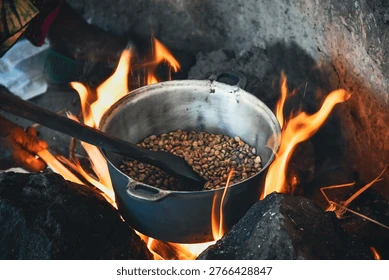
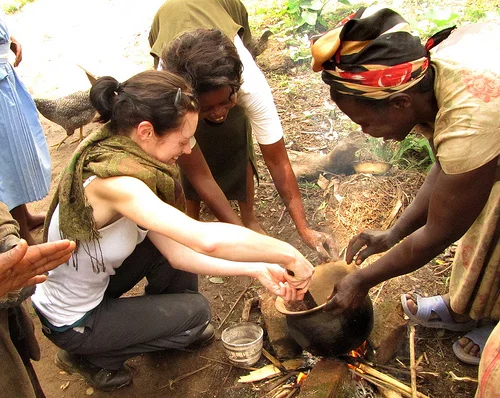
During the ceremony, beans are roasted, ground, and brewed in front of guests using simple tools. The process can take an hour and often includes incense, popcorn, or light snacks served alongside it. It is one of the most authentic traditions a traveler can find, and skipping it would mean missing something essential about the country.
Italy – Espresso Culture
Italy turned coffee into an art form centered on speed, precision, and unspoken rules. Espresso bars are everywhere, and locals often drink their coffee standing at the counter rather than sitting down. The ritual is quick but deeply woven into daily routines.
Ordering the right way matters here more than tourists expect. Asking for a cappuccino after noon, for example, can raise eyebrows among locals who view it as a breakfast-only drink. Understanding these small unwritten rules is part of enjoying genuine coffee traditions while visiting Italy.
Vietnam – Egg Coffee and Street Culture
Vietnam offers a completely different take on coffee than most Western visitors expect. Street-side cafés serve strong, sweetened coffee brewed slowly through small metal filters. Egg coffee, a rich and creamy specialty, is a local favorite in Hanoi and a must-try for first-time visitors.
Sitting on a low plastic stool while watching the city pass by is part of the charm here. It captures the relaxed, community-driven spirit that defines many coffee traditions across Southeast Asia, where pace matters more than presentation.
Colombia – Coffee Farms and Community
Colombia is one of the world’s largest coffee producers, and its coffee region welcomes visitors warmly year-round. Farm tours let travelers see the entire process, from planting seedlings to harvesting ripe cherries by hand. Many farms are family-run and passed down through several generations.
Guests often get to pick beans themselves and taste coffee just hours after roasting, something rarely possible back home. These hands-on visits are some of the most immersive experiences available anywhere in Latin America, blending agriculture, history, and genuine hospitality in one stop.
Turkey – Coffee and Fortune Telling
Turkish coffee is thick, strong, and traditionally served with a small sweet treat on the side. It is prepared slowly in a special pot called a cezve and often shared during long conversations. The leftover grounds are sometimes read for fortune telling once the cup is finished.
This blend of taste, patience, and tradition makes Turkish coffee culture unique among its neighbors. It is a memorable example of how these traditions can merge food, superstition, and friendship into a single shared moment.
Kenya – Coffee Cooperatives and Highland Farms
Kenya’s highland farms produce some of the most sought-after beans in the world, grown at high altitude in rich volcanic soil. Many farms operate as cooperatives, where smallholder families pool resources and share equipment. Visiting one offers a close look at how community effort shapes a single cup.
Tours often include a walk through the washing stations where beans are sorted and fermented. Guides explain how altitude and rainfall change the flavor from one hillside to the next, turning a simple tasting into a small geography lesson.
How to Plan Culture and Coffee Experiences on Your Travels
Planning ahead can make these visits far more meaningful than simply stumbling into a café. A little research before departure goes a long way toward respectful and rewarding encounters.
Visit Local Coffee Farms
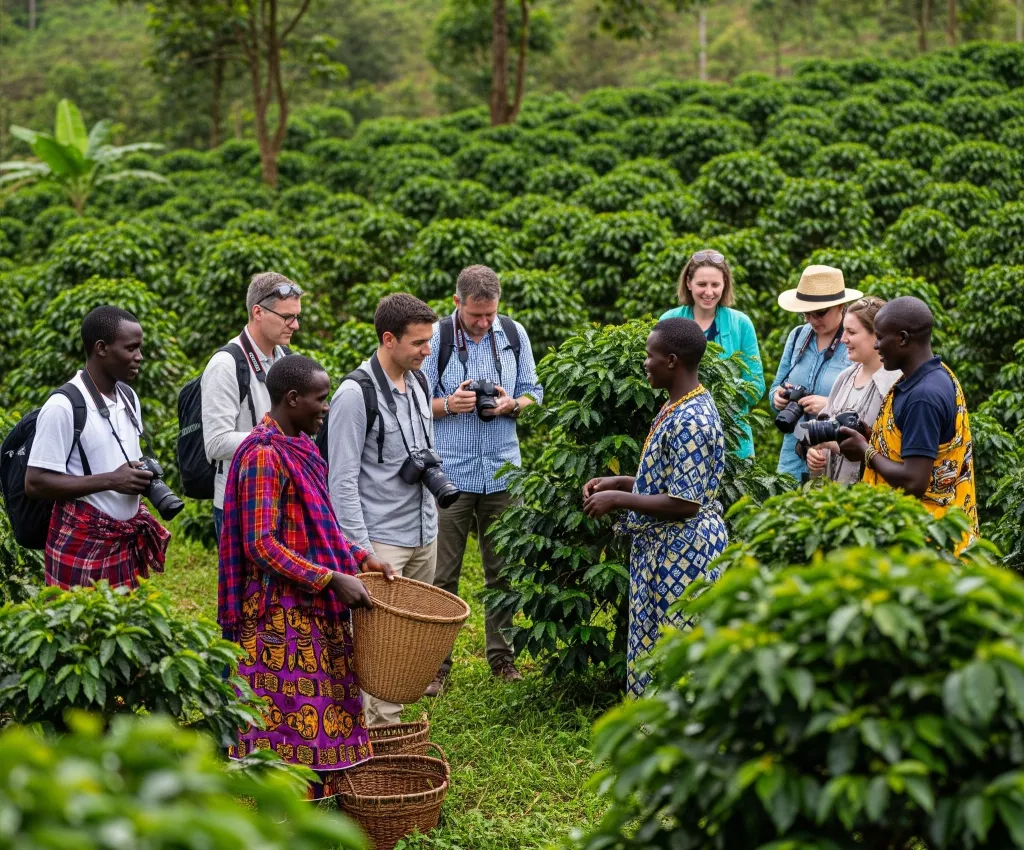
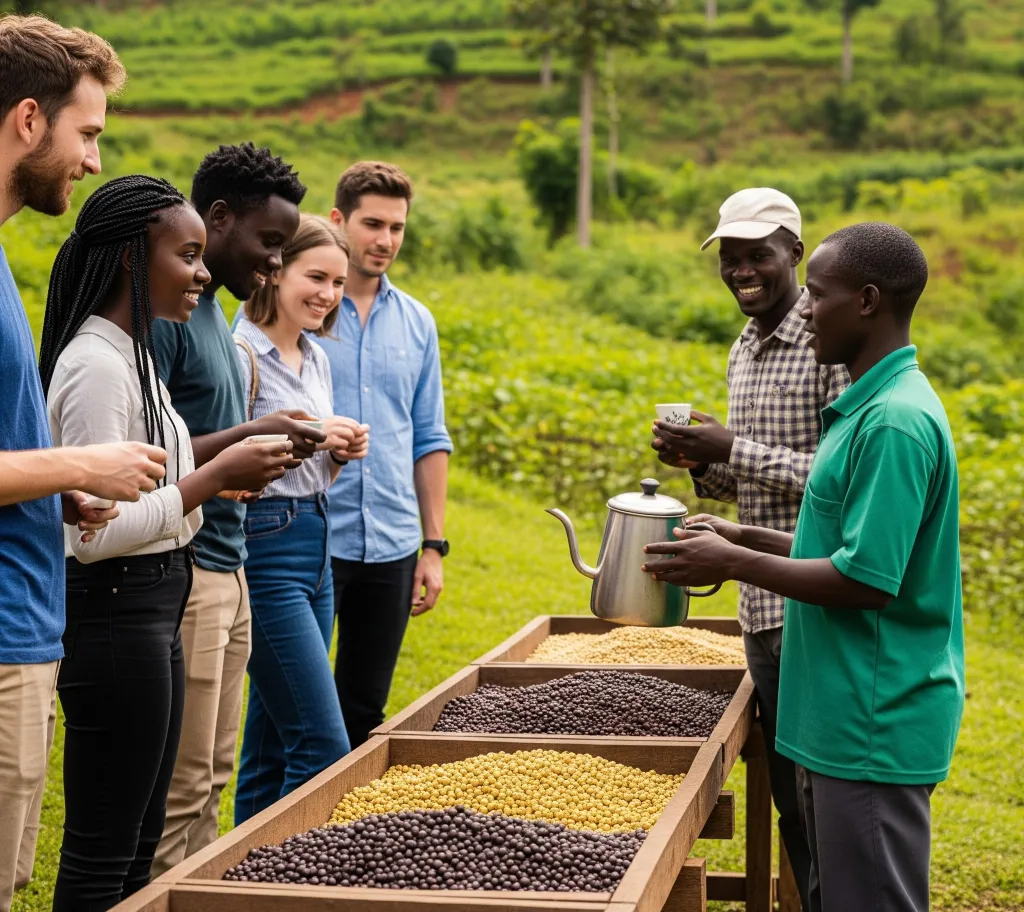
Many coffee-growing regions offer farm tours designed specifically for visitors. These tours often include walks through the fields and live demonstrations of harvesting and drying techniques. Some farms also offer tastings straight from freshly roasted batches.
Booking through a local guide or small independent operator often leads to a more genuine visit than a large tour bus stop. It also ensures your visit supports the community directly rather than a distant company.
Join a Coffee Ceremony
Ceremonies, especially in places like Ethiopia, offer a slower and far more intimate way to connect with coffee traditions. Guests are expected to stay for the full process rather than rushing through it for a photo. Patience is genuinely part of the experience, not an inconvenience.
Joining a ceremony with an open mind can turn a simple drink into a lasting memory of the trip. It remains one of the best ways to understand these traditions firsthand, rather than reading about them afterward.
Explore Coffeehouses and Cafés
Historic cafés often double as cultural landmarks in cities around the world. Many have hosted writers, artists, and political discussions for centuries within the same worn wooden tables. Simply sitting in one of these spaces offers a quiet glimpse into local history.
Ask locals for recommendations instead of relying only on tourist guides or online rankings. This habit often leads to smaller, more authentic spots that rarely appear in guidebooks.
Attend a Coffee Festival
Several coffee-growing regions host annual festivals celebrating harvest season. These events often include tastings, live music, and competitions among local roasters. They offer a lively, condensed way to sample many traditions in a single visit.
Checking a destination’s calendar before booking a trip can help travelers time their visit around one of these festivals. It is a simple way to see an entire community celebrate the crop it depends on.
Tips for Enjoying Culture and Coffee Experiences Respectfully
Respect is central to enjoying coffee traditions in a meaningful and considerate way. A few simple habits can make a real difference in how visitors are received by locals.
- Take time rather than rushing through a ceremony or ritual.
- Ask before taking photos, especially during private family gatherings.
- Learn a few local words related to coffee and hospitality.
- Support small, family-run farms and cafés whenever possible.
- Follow local customs around ordering, sitting, and drinking coffee.
- Avoid haggling aggressively over prices at small family stalls.
- Thank your host warmly, since gratitude is part of the ritual itself.
These small gestures show genuine interest rather than casual curiosity passing through. They also help preserve these traditions for the next generation of visitors who follow.
The Future of Culture and Coffee Experiences
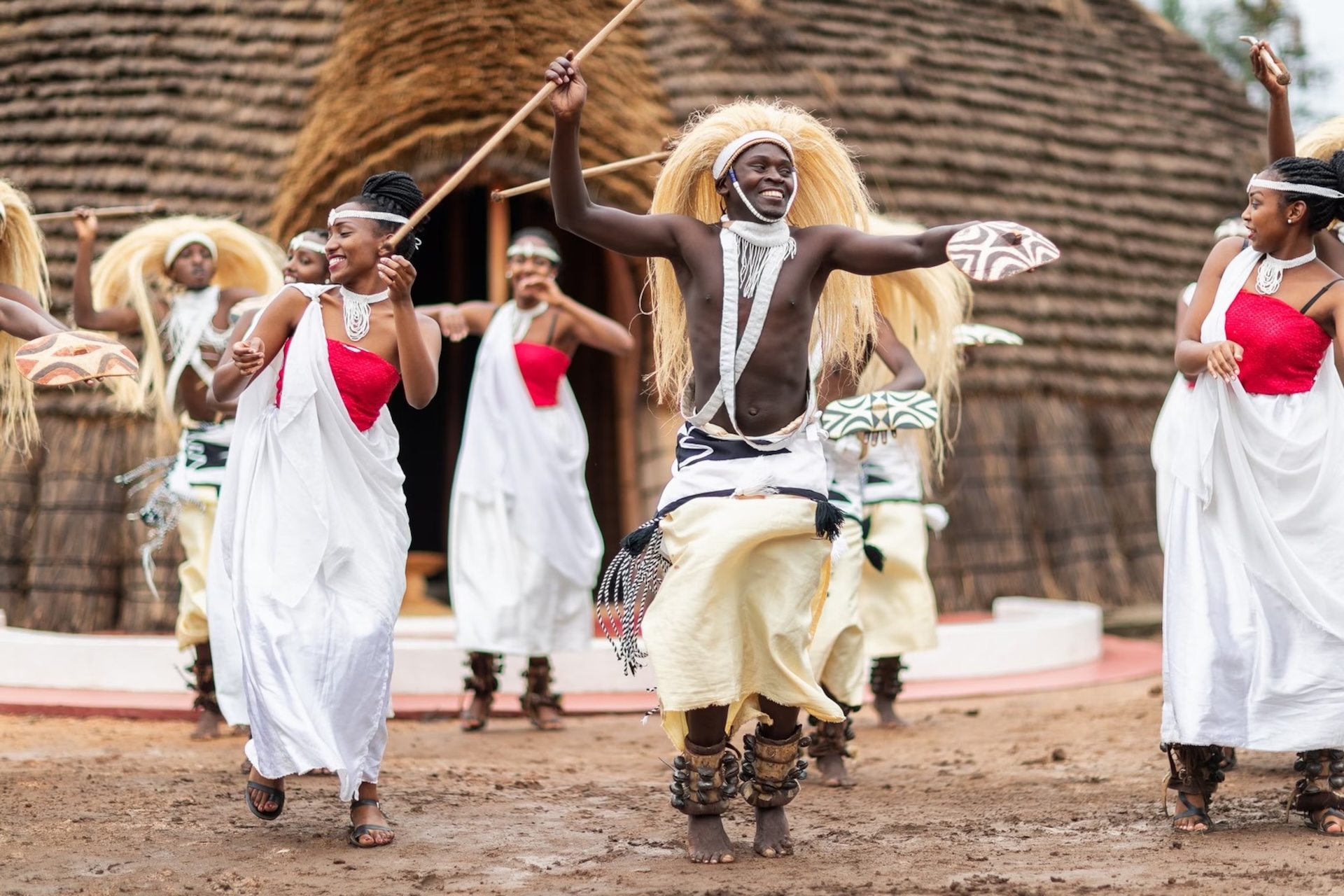
Coffee tourism continues to grow as travelers search for more meaningful and hands-on trips. Many regions are investing in sustainable farming and community-based tourism programs. This shift benefits both local economies and the visitors who arrive seeking something real.
At the same time, climate change is affecting coffee-growing regions worldwide, shifting where beans can thrive. Farmers are adapting through new techniques, shade-growing methods, and crop diversification. These changes may quietly shape how coffee traditions look in the years ahead.
Younger generations in coffee-growing families are also finding new ways to share their heritage. Some now welcome visitors directly through social media, turning small farms into modest tourism businesses. This shift keeps traditions alive while opening new income streams for families who once relied solely on export prices.
Travelers who choose responsible operators help support this delicate balance. Every cup enjoyed on a farm tour or in a family-run café contributes, in a small way, to a much larger story unfolding across these regions.
Why Every Traveler Should Try This at Least Once
Not every trip needs to revolve around coffee, but adding even one stop can change how a destination is remembered. A single ceremony or farm visit often stands out more than a crowded landmark ever could. It gives a trip texture that photos alone cannot capture.
Many travelers who try Culture and Coffee Experiences once find themselves seeking them out again on future trips. The routine becomes a way of measuring a place, almost like a passport stamp for genuine connection. It rarely requires much planning, yet it tends to leave the deepest impression.
Conclusion
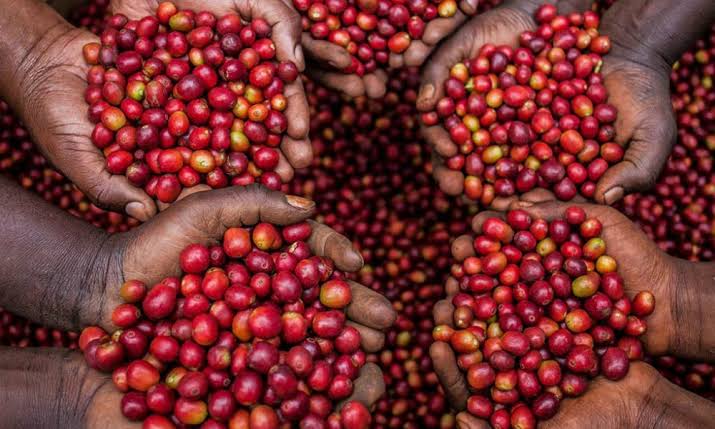
Culture and Coffee Experiences offer far more than a simple caffeine boost during a busy trip. They connect travelers to history, hospitality, and the everyday lives of people around the world. From Ethiopian ceremonies to Colombian farms, each destination tells its own story through the cup it serves.
Planning ahead, staying respectful, and choosing local operators can turn any ordinary trip into something deeper and more memorable. The next time you travel, consider seeking out these traditions and letting them guide you beyond the cup and into the heart of a place
Related packages
5 DAYS – UGANDA COFFEE, CULTURE & COMMUNITY SAFARI
Contact Us Now And Book Your Trip