Uganda Cultural Tours take you beyond the game drive and into the daily life of the people who call this country home. Uganda holds more than gorillas, lions, and savannah. It holds Batwa forest history, Karamojong cattle culture, Buganda royal heritage, and some of the best coffee on the continent.
This guide walks through the Uganda Cultural Tours experiences worth building into your safari https://exploreuganda.com/
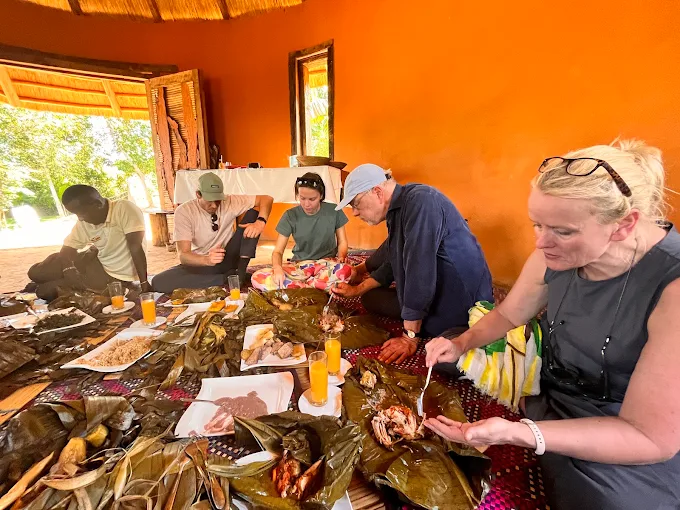
Table of Contents
What Are Uganda Cultural Tours?
Uganda Cultural experiences connect travelers with the communities living alongside the country’s forests, mountains, and savannahs. Rather than only viewing wildlife, you meet the people who share that landscape. That might mean a forest walk with Batwa guides, an afternoon in a Karamojong homestead, or a coffee tour on the slopes of Mount Elgon.
Each Uganda Cultural Tours experience is locally led. Community members act as guides, storytellers, and hosts. This is what separates genuine Uganda Cultural Tours from a staged photo stop.
Why Add Culture to a Uganda Safari?
Wildlife shows you Uganda’s landscapes. Uganda Cultural Tours show you its people. Together, they give a far fuller picture of the country.
Uganda Cultural Tours also support local livelihoods directly. Entry fees and guiding income often flow straight to the community involved. That makes Uganda Cultural Tours a meaningful way to travel responsibly.
Finally, culture adds variety to a long safari itinerary. A morning of gorilla trekking followed by an afternoon of Karamojong storytelling gives your trip real texture. Few destinations combine wildlife and culture as naturally as Uganda does.
7 Best Uganda Cultural Tours Experiences
Here are seven experiences that anchor the best Uganda Cultural Tours itineraries.
1. The Batwa Cultural Trail
The Batwa were the original forest people of Bwindi and Mgahinga, living inside the forest for generations before it became a protected park. Today, Batwa guides lead visitors on forest trails near both parks. This is one of the most moving stops on any Uganda Cultural Tours itinerary.
In Mgahinga, the Batwa Trail is guided by Batwa community members and includes a hike to Garama Cave, once used for shelter and ceremonies. In Bwindi’s Buhoma sector, the experience runs from the Batwa Craft Shop and blends a forest walk with demonstrations of fire-making, hunting techniques, and traditional dance. Both versions typically run two to five hours.
Fees for this stop on Uganda Cultural experiences generally range from about US$80 to US$100 per person, and revenue supports Batwa housing, healthcare, and education programs. Most travelers combine it with a gorilla trekking day in the same park, making it a natural pairing within Uganda Cultural Tours. It is a powerful reminder that Bwindi’s forest has a human story as well as a wildlife
2. A Karamojong Village Visit
Karamoja, in Uganda’s northeast near Kidepo Valley National Park, is home to the Karamojong. They are agro-pastoralist people whose lives center on cattle, seasonal migration, and strong community ties. A village visit here is one of the most distinctive stops on any Uganda Cultural Tours route.
These Uganda Cultural visits typically take place at a manyatta, a homestead enclosed by a thorn-bush fence. Guests can watch traditional dance, learn about beadwork and jewelry-making, and hear how cattle shape social status and marriage customs. Guides usually keep these visits to around one to two hours out of respect for daily routines.
Because Karamoja sits far from Uganda’s more visited parks, this stop suits travelers with time for the long drive north. It pairs naturally with wildlife viewing in Kidepo Valley, another strong reason it belongs on any Uganda Cultural Tours shortlist. Few Uganda Cultural Tours reach this remote corner, which is exactly what makes it memorable.
3. Kasubi Tombs and Buganda Heritage
In Kampala, the Kasubi Tombs offer a completely different side of Uganda Cultural experiences. This UNESCO World Heritage Site is the burial ground of several Buganda kings, known as Kabakas. The main structure, a vast domed building made entirely of organic materials, is considered one of the finest examples of traditional Ganda architecture.
Originally built as a royal palace in 1882, the site became a tomb after the king’s death and remains a living spiritual center for the Buganda Kingdom. Local guides on this Uganda Cultural Tours stop explain royal history, ceremonial customs, and the site’s ongoing religious role. It is a compact, accessible stop for travelers spending a day in Kampala before or after a safari.
Adding Kasubi Tombs to your Uganda Cultural tour plan takes only a few hours. It works well alongside a wider Kampala city tour, including craft markets and local eateries, rounding out a full day of Uganda Cultural Tours in the capital. Few sites explain Buganda history as directly as this one does.
4. Sipi Falls Coffee Tour
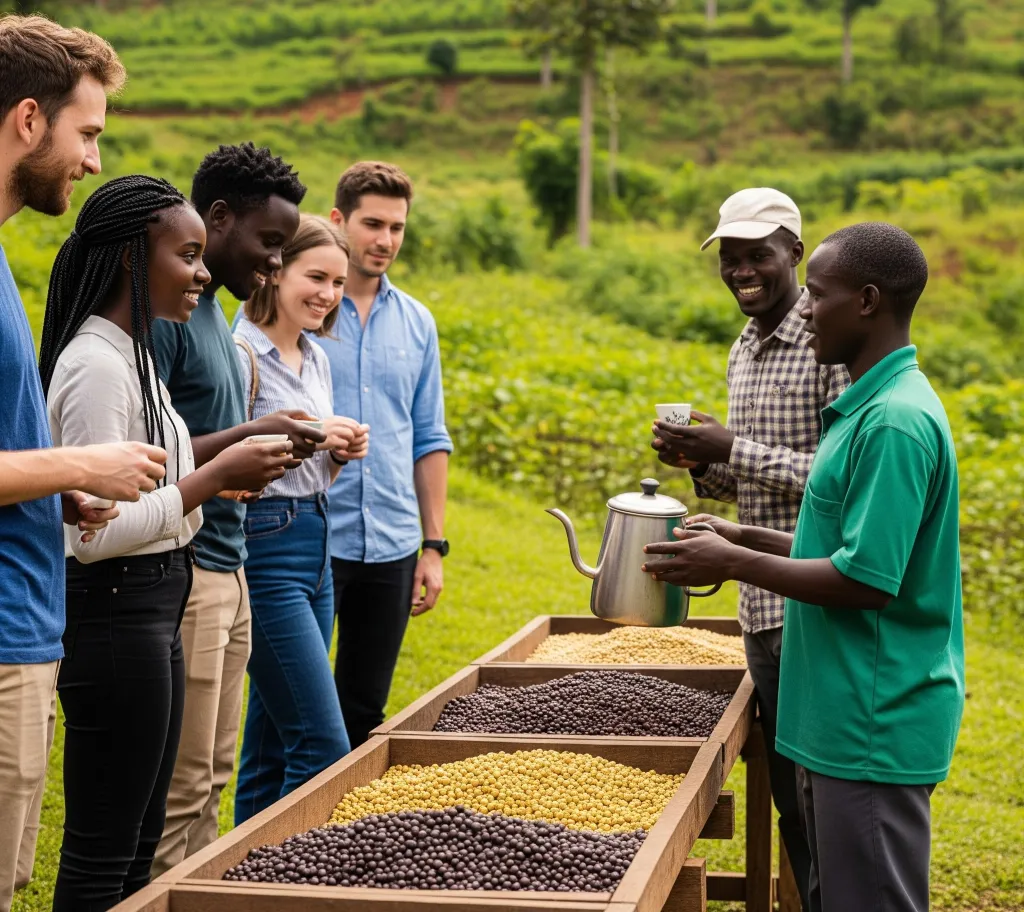
Sipi Falls, on the slopes of Mount Elgon in eastern Uganda, is known for three dramatic waterfalls and some of the country’s best Arabica coffee. The surrounding Sebei community has grown coffee here for generations. A coffee tour is a relaxed, hands-on entry into Uganda Cultural Tours.
On this Uganda Cultural experiences stop, local farmers walk you through the full process, from picking ripe cherries to pulping, drying, roasting, and grinding. Many tours end with a fresh cup brewed the traditional way. The Bugisu Arabica grown here thrives at altitudes between 1,600 and 1,900 meters, giving it a distinct flavor.
Sipi also offers hiking and abseiling alongside the coffee experience. Combining the two makes for one of the more active entries in this list of Uganda Cultural Tours. It suits travelers heading toward or from Kidepo or Mount Elgon National Park, making it an easy add-on for eastern Uganda Cultural https://nabigagatoursandtravels.com/culture-and-coffee-experiences/
5. Ugandan Craft and Artisan Markets
Uganda has a rich tradition of basketry, pottery, weaving, and woodcarving. Craft markets and artisan workshops give travelers a chance to meet the people behind these skills. This is a lower-key but rewarding addition to Uganda Cultural Tours.
In Kampala, craft markets sell woven baskets, bark cloth items, and beadwork sourced from communities around the country. Near Bwindi, the Batwa Craft Shop sells items made by Batwa artisans, with proceeds returning directly to the community. Buying directly from makers, rather than resellers, keeps more value with the people who created the work.
This stop pairs easily with almost any itinerary. It requires no advance booking and can slot into a single afternoon. For travelers who value bringing home something meaningful, this is a natural fit within Uganda Cultural Tours, and one of the simplest to arrange.
6. Traditional Ugandan Food Experiences
Food is one of the most accessible ways to understand a culture. Ugandan staples include matoke, a steamed and mashed green banana, along with groundnut sauce, posho, and grilled tilapia from Lake Victoria. Local restaurants and homestays offer some of the most authentic tastings in Uganda Cultural Tours.
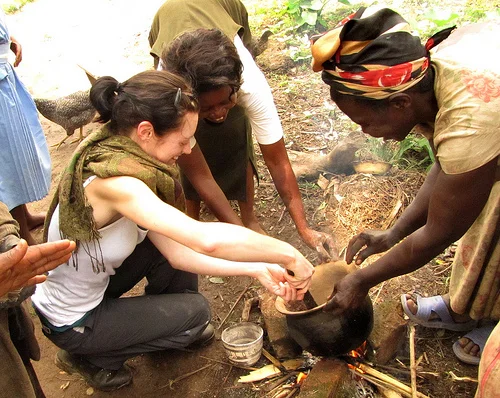
Some community visits include a cooking demonstration, letting guests prepare a dish alongside a local host. Markets in Kampala and smaller towns also offer a chance to see fresh produce, spices, and street food firsthand. Food experiences work well as a low-cost addition to a longer itinerary.
They require little planning and fit naturally around meal times. For travelers curious about daily life beyond the safari vehicle, food is often the easiest entry point into Uganda Cultural Tours. It remains one of the most underrated parts of Uganda Cultural Tours.
7. Community Village Homestays
For a deeper experience, some travelers choose an overnight homestay with a local family. This is the most immersive version of Uganda Cultural Tours, moving beyond a single afternoon visit. Guests join daily routines such as cooking, farming, or fetching water, guided by their hosts.
These Uganda Cultural Tours homestays are typically arranged through community tourism organizations near specific parks or regions. They offer direct income to hosting families and a genuinely two-way exchange. Expectations should stay realistic, since accommodation is simple rather than luxurious.
This option suits travelers with flexible schedules and a genuine interest in daily life. It is not for everyone, but for the right traveler, it becomes the highlight of the whole trip. Ask your operator well in advance, since homestay slots are limited and demand for this style of Uganda Cultural Tours keeps growing.
How Much Do Uganda Cultural Tours Cost?
Costs vary widely depending on the experience and location. Short Uganda Cultural Tours visits, such as the Batwa Trail or a craft market stop, generally cost between US$25 and US$100 per person. Karamojong village visits and coffee tours often fall within a similar range.
Homestays and multi-day cultural itineraries cost more, since they include accommodation and meals. Transport to remote areas like Karamoja adds to the overall budget, given the distance from Kampala. Most Uganda Cultural Tours experiences are added onto an existing safari rather than booked as a standalone trip.
Prices can change, so confirm current fees with your operator or the relevant community organization. Bundling cultural stops with wildlife activities usually delivers better overall value. A specialist can help sequence experiences so transport costs for Uganda Cultural Tours are shared efficiently across the wider trip.
Best Time for Uganda Cultural Tours
Most Uganda Cultural Tours experiences run throughout the year, since they don’t depend on wildlife migration or rainfall in the same way a safari does. Dry months, roughly June to September and December to February, make travel to remote areas like Karamoja easier. Roads are firmer, and long drives feel less demanding.
Coffee tours at Sipi Falls are also enjoyable year-round, though harvest season adds extra activity to watch. Cultural festivals, such as the annual Karamoja Cultural Festival, are worth timing your visit around if the dates align. Ask your operator about upcoming events before finalizing the dates for your Uganda Cultural Tours.
There is no single best month for every experience. Matching your cultural stops to your wider safari itinerary usually matters more than chasing a specific season. Flexibility tends to produce the smoothest Uganda Cultural Tours experience.
How to Combine Uganda Cultural Tours With Wildlife
Culture and wildlife fit together naturally in Uganda. A trip to Bwindi for gorilla trekking pairs easily with the Batwa Trail on the same day or the evening before. A journey to Kidepo Valley for game drives pairs naturally with a Karamojong village visit along the way.
In the east, Sipi Falls and its coffee tour sit close to Mount Elgon National Park and the route toward Karamoja. In Kampala, Kasubi Tombs and craft markets fit neatly around arrival or departure days. Sequencing matters, since cultural stops are often most convenient along a route you’re already driving.
A well-planned circuit might run Kampala, Kibale, Queen Elizabeth, and Bwindi, with culture layered into each stop. This keeps travel efficient while adding real depth to the trip, which is the whole point of well-planned Uganda Cultural Tours. Most travelers find that Uganda Cultural Tours work best woven through a wildlife itinerary rather than treated as a separate trip.
Uganda Cultural Tours by Region
Uganda’s cultural experiences cluster around a few key regions, which makes planning Uganda Cultural Tours fairly straightforward.
Southwestern Uganda offers the Batwa Trail near Bwindi and Mgahinga, easily paired with gorilla trekking. Northeastern Uganda, around Karamoja and Kidepo, offers Karamojong village visits for travelers with time for the journey. Central Uganda, especially Kampala, offers Kasubi Tombs, craft markets, and food experiences. Eastern Uganda, around Sipi Falls and Mount Elgon, offers coffee tours alongside hiking and abseiling.
Grouping Uganda Cultural Tours by region helps avoid unnecessary backtracking. Most travelers pick one or two regions that already sit along their safari route. Trying to cover every region in one trip usually isn’t necessary to get a genuine taste of Ugandan culture.
What to Pack for Uganda Cultural Tours
Packing for Uganda Cultural Tours is simpler than packing for a trek, but a few items help. Modest, comfortable clothing is appropriate for most village and community visits. Closed shoes are useful for forest walks such as the Batwa Trail.
A hat and sunscreen matter for outdoor visits in Karamoja and around Sipi Falls. Small notes of local currency are handy for craft purchases and informal tips. A camera is welcome at most stops, though always ask before photographing people during Uganda Cultural Tours.
Bringing an open, respectful attitude matters more than any physical item. Community hosts notice genuine curiosity, and it shapes how welcoming Uganda Cultural Tours experiences feel on both sides.
Responsible Travel Tips for Uganda Cultural Tours
Respectful travel matters more here than almost anywhere else on a safari. Communities are hosts, not attractions, and should be treated accordingly on every stop of your Uganda Cultural Tours.
A few guidelines help:
- Always ask permission before photographing people
- Choose experiences led by the community itself, not outside operators only
- Buy crafts directly from artisans where possible
- Follow your guide’s instructions on dress and behavior
- Keep an open, curious attitude rather than treating visits as a performance
- Support experiences with clear, transparent community benefit
Following these principles keeps Uganda Cultural Tours genuinely beneficial for everyone involved. It also tends to produce a richer experience for travelers themselves, which is ultimately the goal of responsible Uganda Cultural Tours. Respect and curiosity go a long way in these settings.
Frequently Asked Questions
Are Uganda Cultural Tours suitable for families? Yes, many experiences, such as craft markets and food tastings, work well for travelers of all ages.
Do I need to book cultural experiences in advance? For popular stops like the Batwa Trail, advance booking is recommended, especially in peak season.
Can culture be added to a short safari? Yes, even a 3- to 5-day trip can include one or two cultural stops without major schedule changes.
Is it appropriate to take photos during village visits? Always ask first, and follow your guide’s guidance on what is and isn’t appropriate to photograph.
How much time should I set aside for a cultural visit? Most stops take two to five hours, though homestays can extend to a full day or overnight.
Plan Your Uganda Cultural Tours Experience
Uganda Cultural Tours turn a wildlife-focused trip into a fuller, more personal journey. From a Batwa forest walk to a Karamojong homestead, a royal tomb in Kampala, or a coffee farm on Mount Elgon, each stop adds a human story to your safari. The right mix depends on your route, your time, and your curiosity.
Ready to add culture to your own Uganda itinerary? Speak with Nabigaga Tours & Travel to build Uganda Cultural Tours experiences around your gorilla trekking, wildlife, or adventure plans.Culture, Coffee & Community Experiences
Contact us now to get a free quote